

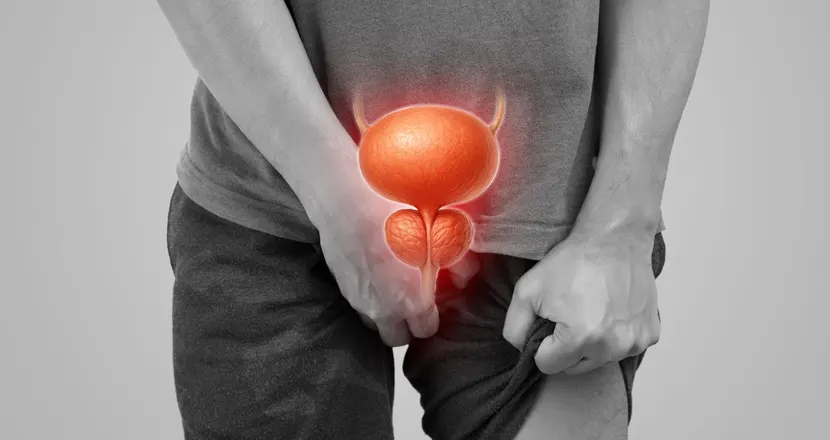
Prostate health refers to how well the prostate gland functions in supporting male reproductive and urinary systems. The prostate is a small gland located below the bladder that produces seminal fluid, which nourishes and transports sperm.
As men age, the prostate naturally undergoes changes. These changes can include enlargement, inflammation, and reduced efficiency. While some changes are normal, poor lifestyle habits and underlying health issues can accelerate dysfunction.
Maintaining prostate health is essential not only for reproductive function but also for comfortable urination, hormonal balance, and long-term quality of life.
The prostate surrounds the urethra, which carries urine out of the body. When the prostate enlarges, it can restrict this flow, leading to symptoms such as urgency, weak stream, and frequent urination—especially at night.
The prostate contributes to ejaculation and plays a role in sexual performance. Poor prostate health may affect ejaculation quality and can also be linked to erectile dysfunction.
The prostate is influenced by hormones such as testosterone and dihydrotestosterone (DHT). Imbalances in these hormones can contribute to prostate enlargement and dysfunction.
Ongoing prostate issues can disrupt sleep, cause discomfort, and affect confidence. Over time, this can impact both physical and mental well-being.
Benign Prostatic Hyperplasia (BPH) is one of the most common conditions. It involves non-cancerous enlargement of the prostate, leading to urinary difficulties.
This condition refers to inflammation of the prostate, often causing pelvic pain, discomfort during urination, and sometimes flu-like symptoms.
A serious condition that often develops slowly. Early detection through screening is essential for effective treatment.
Long-term inflammation can damage prostate tissue and worsen symptoms over time, even without infection.
As the body ages, hormonal changes and cellular wear increase the likelihood of prostate enlargement and dysfunction.
An increase in DHT levels is strongly associated with prostate growth and enlargement.
Diets high in processed foods, sugar, and unhealthy fats can increase inflammation and negatively impact prostate health.
Lack of movement reduces blood circulation, which is essential for maintaining prostate function.
Inflammation is a root cause behind many prostate conditions and is often linked to poor lifestyle habits.
Especially noticeable at night, disrupting sleep patterns.
A reduced or inconsistent stream can indicate prostate enlargement.
A delay or need to strain while urinating is a common sign.
A persistent feeling that the bladder is not fully empty.
Reduced blood flow and prostate dysfunction can impact sexual performance.
A nutrient-rich diet supports prostate function and reduces inflammation. Focus on whole foods that provide antioxidants and essential nutrients.
Physical activity improves blood flow, supports hormone balance, and reduces inflammation—all of which benefit the prostate.
Proper hydration supports urinary function and helps flush toxins from the body.
Chronic stress can disrupt hormone levels and increase inflammation, negatively impacting prostate health.
Sleep allows the body to repair tissues and regulate hormones effectively.
Reducing inflammation through diet, exercise, and stress management can significantly improve prostate function over time.
Healthy blood flow ensures the prostate receives oxygen and nutrients. Regular movement and cardiovascular activity are key.
Balancing testosterone and managing DHT levels naturally can help control prostate enlargement.
Long-term improvements depend on consistency rather than quick fixes. Small daily changes compound into significant results.
Tomatoes and similar foods contain lycopene, which helps reduce oxidative stress in prostate tissue.
Broccoli, cauliflower, and cabbage support detoxification and hormone balance.
Found in fatty fish, these help reduce inflammation.
Berries and colorful fruits protect cells from damage and support overall health.
Helps manage symptoms of prostate enlargement.
Supports urinary flow and reduces discomfort.
Essential mineral that supports prostate tissue function.
Acts as a powerful antioxidant for prostate protection.
Supports urinary health and reduces inflammation.
Common treatments include alpha-blockers and hormone-related therapies to reduce symptoms.
Used in advanced cases where other treatments are not effective.
Routine check-ups help detect issues early and prevent complications.
Prostate health and sexual performance are closely connected. Poor prostate function can affect blood flow, nerve function, and hormonal balance.
Improving prostate health often supports better overall sexual function.
Consistency in lifestyle and treatment is essential for lasting results.
Avoiding these mistakes can significantly improve long-term outcomes.
The most effective approach to prostate health focuses on addressing underlying factors:
By combining:
You create a sustainable system that supports long-term prostate function.
Prostate health plays a central role in overall well-being, affecting urinary comfort, sexual function, and daily quality of life. While changes in the prostate are common with age, they can often be managed and improved through consistent lifestyle habits.
Focusing on diet, movement, stress management, and proper support can help maintain healthy prostate function and prevent complications over time.
A combination of healthy diet, regular exercise, and targeted supplements offers the best results.
Frequent urination, weak flow, and difficulty urinating are common early signs.
Many symptoms can be improved with consistent lifestyle changes and proper care.
Tomatoes, broccoli, berries, and omega-3-rich foods are highly beneficial.
Yes, supplements like saw palmetto and zinc can support prostate health when used consistently.
Yes, poor prostate health can contribute to erectile dysfunction through reduced blood flow and hormonal imbalance.