 By Lisa Davis

Table Of Contents
Key Takeaways
- Healthy circulation delivers oxygen and nutrients throughout the body.
- Poor circulation may cause cold hands, numbness, swelling, and fatigue.
- Common causes include smoking, inactivity, diabetes, stress, and high cholesterol.
- Best Foods To Improve Blood Circulation Naturally
- Drinking enough water helps maintain healthy circulation.
- Regular exercise may improve blood flow naturally.
- Limiting processed and fried foods may support better vascular health.
- Stress management and proper sleep may help support circulation.
- Persistent circulation problems should be evaluated by a healthcare professional.
What Is Blood Flow?
Blood flow, also known as blood circulation, is the movement of blood throughout the body through a network of arteries, veins, and capillaries. Your circulatory system is responsible for delivering oxygen, nutrients, hormones, and immune cells to tissues and organs while also removing waste products such as carbon dioxide.
The heart acts as the body’s pump, pushing oxygen-rich blood through the arteries to different parts of the body. After oxygen is delivered, veins carry blood back to the heart and lungs to be refreshed with oxygen again. Healthy blood flow is essential for maintaining energy, supporting organ function, regulating body temperature, and promoting overall wellness.
When circulation becomes weak or restricted, some areas of the body may not receive enough oxygen and nutrients. This can affect the legs, feet, hands, brain, and heart over time.
Why Healthy Blood Flow Matters
- Helps transport oxygen throughout the body
- Supports muscle and brain function
- Helps remove toxins and waste products
- Supports heart and vascular health
- Helps maintain energy and mobility
- Supports healthy skin and healing
What Causes Poor Blood Circulation?
Poor blood circulation can happen when blood vessels become narrowed, damaged, inflamed, or blocked. Lifestyle habits, medical conditions, and aging may all contribute to reduced blood flow over time.
In many cases, circulation problems develop gradually and may become more noticeable in the legs, feet, and hands because these areas are farthest from the heart.
Common Causes of Poor Circulation
Lack of Physical Activity
Sitting for long periods or living a sedentary lifestyle may slow blood flow and reduce circulation efficiency.
Smoking
Smoking damages blood vessels and reduces oxygen delivery throughout the body, which may negatively affect circulation.
High Blood Pressure
High blood pressure may strain blood vessels and reduce their flexibility over time.
High Cholesterol
Excess cholesterol may contribute to plaque buildup in arteries, restricting blood flow.
Diabetes
High blood sugar levels may damage blood vessels and nerves, especially in the legs and feet.
Obesity
Excess body weight may increase pressure on the circulatory system and affect vascular health.
Stress
Chronic stress may affect blood pressure and circulation by increasing inflammation and tension in blood vessels.
Dehydration
Not drinking enough water may make blood thicker and harder to circulate efficiently.
Peripheral Artery Disease (PAD)
PAD occurs when arteries narrow due to plaque buildup, reducing blood flow to the legs and feet.
Signs and Symptoms of Poor Circulation
Poor circulation may cause mild or severe symptoms depending on the underlying cause and how restricted blood flow becomes. Symptoms often develop gradually and may worsen over time if circulation problems are not addressed.
Common Signs of Poor Circulation
- Cold hands and feet
- Tingling sensations
- Numbness in legs or arms
- Muscle cramps
- Swelling in the feet or ankles
- Fatigue or weakness
- Skin discoloration
- Slow wound healing
- Pain while walking
- Varicose veins
Some people may also experience heaviness in the legs, throbbing sensations, or frequent cramping during physical activity. Reduced circulation may affect daily comfort, mobility, and energy levels.
Best Foods To Improve Blood Circulation Naturally
Good blood circulation is essential for overall health because your blood carries oxygen and nutrients to every organ, tissue, and muscle in the body. When circulation becomes poor, you may experience symptoms such as cold hands and feet, numbness, muscle cramps, fatigue, swelling, or tingling sensations. Over time, poor circulation may also affect heart health, energy levels, and mobility.
One of the most natural ways to support healthy blood flow is through diet. Certain foods contain nutrients and plant compounds that help relax blood vessels, improve nitric oxide production, reduce inflammation, and support healthy arteries. Adding these foods to your routine consistently may help support better vascular function and circulation naturally.
1. Beetroot
Beetroot is widely considered one of the best foods for circulation because it contains high levels of dietary nitrates. After consumption, the body converts nitrates into nitric oxide, a molecule that helps relax and widen blood vessels. This process may improve blood flow and oxygen delivery throughout the body.
Many athletes also consume beetroot juice before workouts because it may help improve endurance and muscle oxygenation. Regular intake may also support healthy blood pressure levels and cardiovascular function.
Benefits of Beetroot for Circulation
- Supports nitric oxide production
- Helps blood vessels relax naturally
- May improve oxygen delivery to muscles
- Supports healthy blood pressure
- May improve exercise performance
How to Add Beetroot to Your Daily Life
Adding beetroot to your meals is simple and versatile. You do not need to consume large amounts to benefit from its nutrients.
Easy ways to include beetroot:
- Drink fresh beetroot juice in the morning
- Add roasted beetroot to salads
- Blend beetroot into smoothies
- Include sliced beets in sandwiches and wraps
- Add grated beetroot to homemade cutlets or soups
2. Leafy Greens
Leafy green vegetables such as spinach, kale, lettuce, and arugula are packed with natural nitrates and antioxidants that support vascular health. These nutrients help improve nitric oxide levels in the body, which may enhance blood vessel function and circulation.
Leafy greens are also rich in magnesium, potassium, vitamin C, and fiber, all of which support cardiovascular wellness. Eating greens regularly may help reduce inflammation and support healthy arteries over time.
Benefits of Leafy Greens
- Help support healthy blood flow
- Rich in circulation-supporting nitrates
- Contain antioxidants that protect blood vessels
- Support heart and artery health
- May reduce inflammation
How to Add Leafy Greens to Your Daily Life
You can easily include leafy greens in both cooked and raw meals throughout the day.
Simple ideas include:
- Add spinach to smoothies
- Use kale in soups or stir-fries
- Include greens in omelets and sandwiches
- Make salads with mixed leafy vegetables
- Blend greens into pasta sauces or curries
3. Fatty Fish
Fatty fish such as salmon, sardines, trout, and mackerel are rich in omega-3 fatty acids. Omega-3s are known for helping reduce inflammation, support healthy blood vessels, and improve circulation.
These healthy fats may also help reduce triglyceride levels and support arterial flexibility, allowing blood to flow more efficiently. Consuming fatty fish regularly is often associated with better cardiovascular health.
Benefits of Fatty Fish
- Rich in omega-3 fatty acids
- Supports healthy arteries
- Helps reduce inflammation
- May improve blood vessel flexibility
- Supports healthy blood pressure levels
How to Add Fatty Fish to Your Daily Life
Including fish in your weekly routine does not need to be complicated.
Easy ways to enjoy fatty fish:
- Eat grilled salmon for dinner
- Add sardines to toast or salads
- Use canned tuna in sandwiches
- Include fish in rice bowls or wraps
- Prepare baked mackerel with vegetables
According to Eldad Einav, MD, FACC
Healthy circulation starts with consistent daily habits, and nutrition plays a major role in supporting blood vessel function. Foods rich in nitrates, antioxidants, omega-3 fatty acids, and anti-inflammatory compounds may help improve blood flow by supporting nitric oxide production and vascular health. Pairing a balanced diet with regular exercise, hydration, stress management, and avoiding smoking may provide long-term benefits for overall circulation and cardiovascular wellness.
4. Berries
Berries such as blueberries, strawberries, raspberries, and blackberries are loaded with antioxidants called flavonoids. These compounds help reduce oxidative stress and support blood vessel flexibility.
Research suggests that berries may help improve circulation by supporting endothelial function, which is important for healthy blood vessel dilation and blood flow.
Benefits of Berries
- Rich in antioxidants
- Help protect blood vessels
- May improve artery flexibility
- Support vascular health
- Help reduce inflammation
How to Add Berries to Your Daily Life
Berries are convenient, nutritious, and easy to include in meals and snacks.
You can:
- Add berries to oatmeal or yogurt
- Blend frozen berries into smoothies
- Snack on fresh berries during the day
- Use berries in fruit salads
- Add berries to healthy desserts
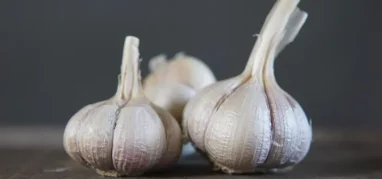
5. Garlic
Garlic has been used traditionally for centuries to support heart and circulatory health. It contains a sulfur compound called allicin, which may help relax blood vessels and improve blood flow.
Garlic may also support healthy cholesterol and blood pressure levels, making it beneficial for overall cardiovascular wellness.
Benefits of Garlic
- Supports blood vessel relaxation
- May improve circulation
- Helps support healthy blood pressure
- Contains natural anti-inflammatory compounds
- Supports cardiovascular health
How to Add Garlic to Your Daily Life
Fresh garlic can easily be incorporated into everyday cooking.
Practical ways to use garlic:
- Add garlic to soups and curries
- Use minced garlic in sauces
- Roast garlic with vegetables
- Add garlic to stir-fries
- Mix fresh garlic into salad dressings
TOP SUPER Foods To Increase Blood Flow And Circulation
6. Citrus Fruits
Citrus fruits like oranges, lemons, grapefruit, and limes contain vitamin C and flavonoids that help support blood vessel health. Vitamin C is important for collagen production, which helps maintain strong and healthy blood vessel walls.
The antioxidants in citrus fruits may also help reduce inflammation and oxidative stress linked to poor circulation.
Benefits of Citrus Fruits
- Rich in vitamin C
- Support healthy blood vessels
- Help reduce inflammation
- Provide antioxidant protection
- Support cardiovascular wellness
How to Add Citrus Fruits to Your Daily Life
These fruits are refreshing and simple to include in daily meals.
Healthy ways to enjoy citrus fruits:
- Drink lemon water in the morning
- Snack on oranges during the day
- Add citrus slices to salads
- Use lemon juice in cooking
- Blend citrus fruits into smoothies
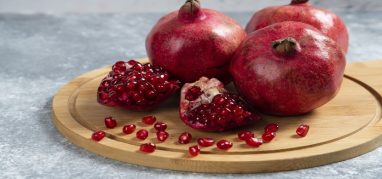
7. Pomegranate
Pomegranate is rich in antioxidants, nitrates, and polyphenols that may support healthy circulation and oxygen delivery. Some research suggests pomegranate juice may help increase blood flow and exercise performance.
Its antioxidant properties may also help protect blood vessels from oxidative damage.
Benefits of Pomegranate
- Supports nitric oxide activity
- Helps improve circulation
- Rich in antioxidants
- Supports healthy blood vessels
- May improve oxygen delivery
How to Add Pomegranate to Your Daily Life
Pomegranate can be enjoyed in several healthy ways.
You can:
- Drink unsweetened pomegranate juicem
- Add seeds to saladsm
- Sprinkle pomegranate over yogurtm
- Blend into smoothiesm
- Use seeds as a snack toppingm
8. Cayenne Pepper
Cayenne pepper contains capsaicin, a compound that may stimulate blood flow and support circulation. Capsaicin may help relax blood vessels and support healthy blood pressure levels.
It may also provide warmth and improve circulation to the extremities.
Benefits of Cayenne Pepper
- Stimulates circulation naturally
- Supports healthy blood flow
- May support healthy blood pressure
- Helps improve vascular function
- Contains antioxidant properties
How to Add Cayenne Pepper to Your Daily Life
A small amount of cayenne pepper can add flavor and warmth to meals.
Simple ideas include:
- Sprinkle into soups and stews
- Add to eggs or roasted vegetables
- Mix into marinades
- Add to salad dressings
- Use in homemade spice blends
9. Turmeric
Turmeric contains curcumin, a natural compound known for its anti-inflammatory and antioxidant effects. Curcumin may help improve endothelial function, which plays an important role in blood circulation.
Regular turmeric intake may also help support artery health and reduce inflammation associated with vascular issues.
Benefits of Turmeric
- Helps reduce inflammation
- Supports blood vessel function
- Rich in antioxidants
- May improve circulation
- Supports cardiovascular health
How to Add Turmeric to Your Daily Life
Turmeric is easy to include in both drinks and meals.
You can:
- Add turmeric to curries and soups
- Drink turmeric tea or golden milk
- Mix turmeric into rice dishes
- Blend into smoothies
- Add to roasted vegetables
10. Nuts
Nuts such as walnuts, almonds, pistachios, and hazelnuts contain healthy fats, magnesium, and L-arginine, an amino acid involved in nitric oxide production. These nutrients help support healthy blood vessel relaxation and circulation.
Eating nuts regularly may also support heart health and healthy cholesterol levels.
Benefits of Nuts
- Support nitric oxide production
- Help blood vessels relax
- Rich in healthy fats and minerals
- Support cardiovascular health
- May improve vascular function
How to Add Nuts to Your Daily Life
Nuts make an easy and nutritious snack option.
Healthy ways to include nuts:
- Snack on mixed nuts
- Add nuts to oatmeal or yogurt
- Use nut butter on toast
- Sprinkle nuts over salads
- Add chopped nuts to smoothies or desserts
Improving circulation naturally often starts with simple daily habits, especially diet. Foods rich in nitrates, antioxidants, omega-3 fatty acids, vitamins, and anti-inflammatory compounds may help support healthy blood vessels and blood flow over time.
Along with eating circulation-supporting foods, regular exercise, staying hydrated, maintaining a healthy weight, and avoiding smoking can also play a major role in supporting vascular health. Consistency is important, and small daily dietary changes may contribute to better circulation and overall wellness in the long run.
How Do You Increase Blood Flow Naturally?
Improving blood flow naturally often involves a combination of healthy eating, regular movement, hydration, and lifestyle habits that support cardiovascular health. Small daily changes may help support circulation over time.
Natural Ways to Improve Blood Flow
Eat Circulation-Friendly Foods
Foods rich in nitrates, antioxidants, omega-3 fatty acids, and anti-inflammatory compounds may help support healthy blood vessels and blood flow.
Examples include:
- Beetroot
- Leafy greens
- Fatty fish
- Garlic
- Citrus fruits
- Nuts and seeds
Exercise Regularly
Physical activity helps stimulate circulation and strengthen the heart. Walking, cycling, swimming, and stretching may all support better blood flow.
Stay Hydrated
Drinking enough water helps maintain healthy blood volume and circulation.
Maintain a Healthy Weight
Managing body weight may reduce pressure on blood vessels and support cardiovascular function.
Avoid Smoking
Quitting smoking may improve oxygen delivery and help protect blood vessel health.
Stretch and Move Frequently
If you sit for long periods, taking movement breaks may help reduce stiffness and support circulation in the legs and feet.
Manage Stress
Stress management techniques such as meditation, deep breathing, and yoga may help support healthy blood pressure and circulation.
Worst Foods for Poor Circulation
While some foods support healthy circulation, others may negatively affect blood vessels, increase inflammation, and contribute to plaque buildup in arteries. Limiting these foods may help support better vascular health.
Foods That May Negatively Affect Circulation
- Highly Processed Foods
Processed foods are often high in unhealthy fats, sodium, and additives that may affect cardiovascular health. - Fried Foods
Fried foods may contain trans fats that contribute to inflammation and artery damage. - Sugary Foods and Drinks
Excess sugar intake may increase inflammation and contribute to diabetes and obesity, both of which can affect circulation. - Processed Meats
Processed meats may contain high levels of sodium and preservatives that may negatively affect blood pressure and vascular health. - Excess Salt
Too much sodium may contribute to high blood pressure and fluid retention. - Refined Carbohydrates
White bread, pastries, and highly refined snacks may contribute to blood sugar spikes and inflammation.
Tips to Reduce Unhealthy Foods
- Choose whole foods more often
- Replace sugary drinks with water or herbal tea
- Cook meals at home when possible
- Choose healthy fats such as olive oil and nuts
- Read nutrition labels carefully
Lifestyle Habits That Support Healthy Circulation
Healthy circulation is influenced not only by diet but also by everyday lifestyle habits. Consistency with healthy routines may help support blood vessel function and overall cardiovascular wellness.
Helpful Lifestyle Habits for Better Circulation
- Stay Physically Active
Daily movement helps improve blood flow and supports heart health. - Get Enough Sleep
Quality sleep supports recovery, hormone balance, and cardiovascular function. - Drink Enough Water
Hydration is essential for healthy blood volume and circulation. - Avoid Sitting Too Long
Standing up and stretching regularly may help improve circulation in the legs and feet. - Wear Comfortable Clothing
Tight clothing may restrict circulation in some areas of the body. - Elevate Your Legs
Elevating the legs occasionally may help reduce swelling and improve circulation. - Manage Stress Levels
Reducing chronic stress may help support healthy blood pressure and vascular function. - Maintain a Balanced Diet
Eating nutrient-rich foods regularly may help support artery and blood vessel health over time.
When Poor Circulation May Be a Medical Concern
Occasional cold hands or temporary numbness may not always be serious, but persistent or severe circulation problems should not be ignored. In some cases, poor circulation may be linked to underlying medical conditions that require professional evaluation.
Seek Medical Attention If You Experience:
- Severe leg pain while walking
- Persistent numbness or tingling
- Chest pain
- Sudden swelling in one leg
- Skin turning pale or blue
- Slow-healing wounds
- Shortness of breath
- Frequent dizziness
- Severe fatigue
Medical Conditions Linked to Poor Circulation
- Peripheral artery disease (PAD)
- Diabetes
- Blood clots
- Heart disease
- Varicose veins
- High blood pressure
Early diagnosis and treatment may help prevent complications and support long-term cardiovascular health. If symptoms continue or worsen, it is important to consult a healthcare professional for proper evaluation and guidance.
Conclusion
Healthy blood circulation plays an important role in supporting energy, mobility, heart health, and overall wellness. Blood flow helps deliver oxygen and nutrients throughout the body while also removing waste products from tissues and organs. When circulation becomes poor, it may lead to symptoms such as cold hands and feet, numbness, fatigue, swelling, and muscle cramps.
Fortunately, many lifestyle and dietary habits may help support healthy circulation naturally. Eating nutrient-rich foods such as beetroot, leafy greens, fatty fish, berries, garlic, citrus fruits, turmeric, pomegranate, cayenne pepper, and nuts may help support blood vessel function, nitric oxide production, and cardiovascular health. Regular physical activity, proper hydration, stress management, and avoiding smoking may also contribute to better blood flow over time.
Consistency is important when supporting circulation naturally. Small daily changes in diet and lifestyle may help improve vascular health and overall well-being in the long run. However, persistent or severe circulation problems should always be evaluated by a healthcare professional to rule out underlying medical conditions and ensure proper care.
Frequently Asked Questions
What foods improve circulation the most?
Does drinking water improve blood circulation?
Which fruit is best for blood flow?
- Pomegranate
- Oranges
- Grapefruit
- Blueberries
- Strawberries
These fruits contain antioxidants, vitamin C, and flavonoids that may help support blood vessel health and circulation.
Can exercise improve blood circulation?
Is poor circulation dangerous?
What are the signs of poor blood circulation?
- Cold hands and feet
- Tingling sensations
- Numbness
- Swelling in the legs or feet
- Muscle cramps
- Fatigue
- Slow wound healing
- Skin discoloration
Symptoms may vary depending on the underlying cause and severity of circulation problems.





 This article changed my life!
 This article was informative.
 I have a medical question.
 This article contains incorrect information.
 This article doesn’t have the information I’m looking for.