
Table Of Contents
Introduction
Diet is one of the most powerful yet underestimated factors influencing overall health. While many men focus on exercise and supplements to improve their fitness and energy, the role of daily nutrition is often overlooked especially when it comes to hormonal balance. This raises an important question: can a poor diet actually lower testosterone levels?
Testosterone is essential for muscle development, energy, mood, and reproductive health. The body relies on a steady supply of nutrients to produce and regulate this hormone effectively. When dietary habits are unbalanced or lacking in key nutrients, it can disrupt how testosterone is produced and utilized.
Key Highlights
- Poor diet can negatively impact testosterone levels
- Nutrient deficiencies may disrupt hormone production
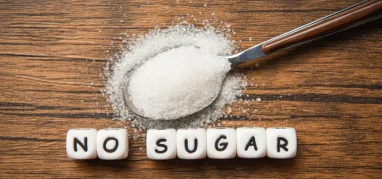
- Processed foods and excess sugar can affect metabolic health
- Balanced nutrition supports long-term hormonal stability
How Does Diet Influence Testosterone?
The body depends on a combination of macronutrients (proteins, fats, and carbohydrates) and micronutrients (vitamins and minerals) to maintain hormonal health. When nutrition is inadequate or heavily skewed—such as diets high in processed foods or low in healthy fats—it can interfere with hormone production.
For example, healthy fats are crucial for testosterone synthesis, while excessive intake of refined carbohydrates and sugars can disrupt metabolic balance. Over time, poor eating patterns can lead to weight gain, insulin resistance, and inflammation—all of which negatively affect testosterone.
This is where the connection between diet and testosterone levels becomes clear: what you eat consistently shapes how your body functions hormonally.
What Does an Unhealthy Diet Look Like?
A poor diet is not just about occasional indulgence—it’s about consistent patterns that deprive the body of essential nutrients.
Common characteristics of an unhealthy diet include:
- High intake of processed and fast foods
- Excessive sugar and refined carbohydrates
- Low consumption of whole foods like vegetables, fruits, and lean proteins
- Insufficient healthy fats such as those from nuts, seeds, and fish
- Frequent consumption of sugary drinks or packaged snacks
Over time, these habits can create nutritional deficiencies and metabolic imbalances that impact hormone production.
Signs Your Eating Habits May Be Affecting Hormones
The effects of poor nutrition on testosterone often develop gradually. Many men may not immediately connect their diet with how they feel.
Some common signs include:
- Low energy and frequent fatigue
- Difficulty gaining or maintaining muscle mass
- Increased body fat, especially around the abdomen
- Reduced motivation or mental clarity
- Mood swings or irritability
- Lower interest in physical activity
These symptoms may be subtle at first but can become more noticeable over time.
Why Nutrition Matters for Long-Term Hormonal Health
Testosterone production is not controlled by a single factor—it is influenced by a combination of lifestyle habits, including diet, sleep, and physical activity. Poor nutrition can weaken the body’s ability to maintain balance across all these areas.
Inadequate intake of essential nutrients like zinc, vitamin D, and healthy fats can directly impact hormone synthesis. At the same time, diets high in processed foods can increase inflammation and disrupt metabolic health.
The long-term impact may include reduced physical performance, slower recovery, and decreased overall vitality.
How Can You Improve Your Diet for Better Hormonal Balance?
Improving nutrition does not require drastic changes overnight. Small, consistent adjustments can significantly support hormonal health.
Here are some practical ways to improve dietary habits:
- Focus on whole, unprocessed foods as the foundation of your meals
- Include healthy fats such as avocados, nuts, seeds, and olive oil
- Ensure adequate protein intake to support muscle and recovery
- Reduce consumption of sugary drinks and refined carbohydrates
- Stay hydrated and maintain balanced meal timing
- Add nutrient-rich foods like leafy greens, eggs, and fatty fish
These changes help create a stable internal environment where hormones can function optimally.
Is There a “Perfect” Diet for Testosterone?
There is no single perfect diet that guarantees higher testosterone levels. However, balanced nutrition that supports overall health is key. Diets rich in whole foods, healthy fats, and essential nutrients tend to promote better hormonal outcomes.
Rather than following extreme or restrictive diets, consistency and balance are more important. Listening to your body and maintaining sustainable habits often leads to better long-term results.
When Should You Consider Professional Advice?
If symptoms such as fatigue, low libido, or difficulty maintaining fitness persist, it may be worth consulting a healthcare professional. Hormonal testing can help determine whether testosterone levels are affected.
A nutritionist or healthcare provider can also help identify dietary gaps and recommend a personalized approach. Addressing diet alongside other lifestyle factors can lead to more effective improvements.
Conclusion
The relationship between what you eat and how your body functions is undeniable. Poor dietary habits can gradually affect hormone production, including testosterone, without obvious warning signs.
By focusing on balanced nutrition and making mindful food choices, men can support their hormonal health, energy levels, and overall well-being. In the long run, a healthy diet is not just about weight management, it is a key foundation for maintaining strength, vitality, and performance.







 This article changed my life!
 This article was informative.
 I have a medical question.
 This article contains incorrect information.
 This article doesn’t have the information I’m looking for.