Table Of Contents
Introduction
Testosterone therapy is a widely used solution for individuals experiencing low energy, reduced muscle mass, low libido, and other symptoms of low testosterone. As awareness grows, both young adults and older individuals are actively exploring treatment options to restore hormonal balance.
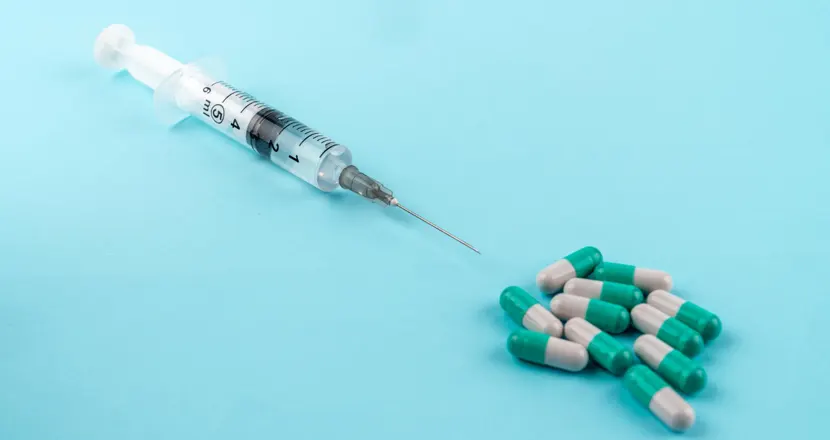
Among the most common methods available today are testosterone pills and injections. While both aim to increase testosterone levels, they differ significantly in effectiveness, safety, cost, and long-term impact.
Choosing the right method is not just about convenience—it directly affects your results, side effects, and overall experience. This guide provides a detailed comparison of testosterone pills vs injections, helping you make an informed and confident decision.
Key Highlights
- Testosterone injections are generally more effective than pills
- Pills are convenient but may have absorption and liver concerns
- Injections provide stable and controlled hormone levels
- Cost and long-term commitment vary between both options
- Medical supervision is essential for both methods
Testosterone Pills
Testosterone pills are oral medications designed to increase testosterone levels in the body. They are often preferred by individuals who want a non-invasive and easy-to-use option.
However, oral testosterone must pass through the digestive system and liver before entering the bloodstream. This process can reduce effectiveness and, in some cases, place stress on the liver.
While newer formulations aim to minimize these issues, pills are still less commonly prescribed compared to other methods.
Testosterone Injections
Testosterone injections involve administering the hormone directly into the muscle, allowing it to enter the bloodstream quickly and efficiently.
This method bypasses the digestive system, resulting in better absorption and more consistent results. Injections are widely considered the most effective form of testosterone therapy.
They are typically administered weekly or biweekly, either at a clinic or at home under medical guidance.
Key Differences
Effectiveness
Testosterone injections are generally more effective because they deliver the hormone directly into the bloodstream. This ensures higher and more consistent testosterone levels.
Pills, on the other hand, may have lower bioavailability due to digestion and liver metabolism.
Safety and Side Effects
- Pills may increase liver strain over time
- Injections can cause temporary discomfort at the injection site
- Both methods may lead to hormonal side effects if not monitored
Injections are often preferred due to fewer concerns related to liver health.
Convenience and Ease of Use
Pills are easier to take and do not require needles, making them appealing for beginners.
Injections require proper technique and scheduling but are less frequent compared to daily pills.
Cost Comparison
- Pills are often more expensive over time
- Injections are generally more affordable
- Additional costs include doctor visits and lab tests
For long-term use, injections are usually the more cost-effective option.
Stability of Testosterone Levels
Injections provide more stable hormone levels when administered correctly.
Pills may cause fluctuations due to inconsistent absorption, which can affect energy levels and mood.
Pills: Pros and Cons
Pros:
- Easy to use and non-invasive
- No need for injections
- Suitable for those uncomfortable with needles
Cons:
- Lower absorption efficiency
- Potential liver-related concerns
- Higher long-term cost
- Less stable hormone levels
Injections: Pros and Cons
Pros:
- High absorption and effectiveness
- More stable testosterone levels
- Lower cost over time
- Widely recommended by doctors
Cons:
- Requires injections
- Possible discomfort or injection-site reactions
- Needs proper scheduling and monitoring
Which Is Better?
The choice between testosterone pills vs injections depends on your goals, lifestyle, and medical condition.
If you prioritize convenience and want to avoid needles, pills may seem attractive. However, if effectiveness, stability, and cost are your main concerns, injections are generally the better option.
For most individuals seeking long-term results, injections are often recommended due to their reliability and proven outcomes.
Important Considerations
- Get proper diagnosis through blood tests
- Consult a qualified healthcare professional
- Understand the long-term commitment
- Monitor hormone levels regularly
- Combine treatment with a healthy lifestyle
Making an informed decision ensures better results and minimizes risks.
Conclusion
When comparing testosterone pills vs injections, injections clearly stand out in terms of effectiveness, stability, and long-term value. While pills offer convenience, they often fall short in delivering consistent and reliable results.
For young adults and individuals actively looking for solutions, choosing the right method is crucial for achieving optimal outcomes. Testosterone therapy is not a one-size-fits-all approach, and the best option depends on individual needs and medical guidance.
In most cases, testosterone injections are the preferred choice due to their proven effectiveness and cost efficiency. However, consulting a healthcare professional is essential to determine the safest and most suitable option for you.
FAQs
Are testosterone pills as effective as injections?
Do testosterone pills harm the liver?
How often are testosterone injections required?
Which option is cheaper in the long run?
Can I switch from pills to injections?


Lisa Davis has two decades of experience as a health educator and a broadcaster. She has worked as an in a variety of settings as a health educator in the realm of sex, HIV, and Hepatitis C as well as a personal trainer and health coach. With a master’s degree in public health, she is a creator, host, and producer of the syndicated It’s Your Health radio heard on regional NPR as well as host/producer of Talk Healthy Today by AIM Media (of Clean Eating, Vegetarian Times, and Better Nutrition magazines). She is host/producer of Naturally Savvy Radio heard online on RadioMD, iHeart Radio Talk, TuneIn, Stitcher, iTunes, UberRadio, and TalkStreamLive. In addition to her radio work, Lisa is an emotional support coach for both TelemedVip and on season 2 of the hit Docu-reality series Reversed on The Discovery Life Channel coming in Fall 2018. In addition to developing radio shows, Lisa has created, produced, and hosted health television shows. Her first show, Health Power was seen on KRUZ-TV in California. She was also a regular contributor to Carol Alt’s national health TV show on FOX News Channel A Healthy You Her book, Clean Eating, Dirty Sex: Sensual Superfoods and Aphrodisiac Practices for Ultimate Sexual Health comes out in January 2019. Her first book, Easy to Love but Hard to Live With: Real People, Invisible Disabilities, True Stories came out in 2014. Reach out to her through her Facebook.






 This article changed my life!
 This article was informative.
 I have a medical question.
 This article contains incorrect information.
 This article doesn’t have the information I’m looking for.