Table Of Contents
Introduction
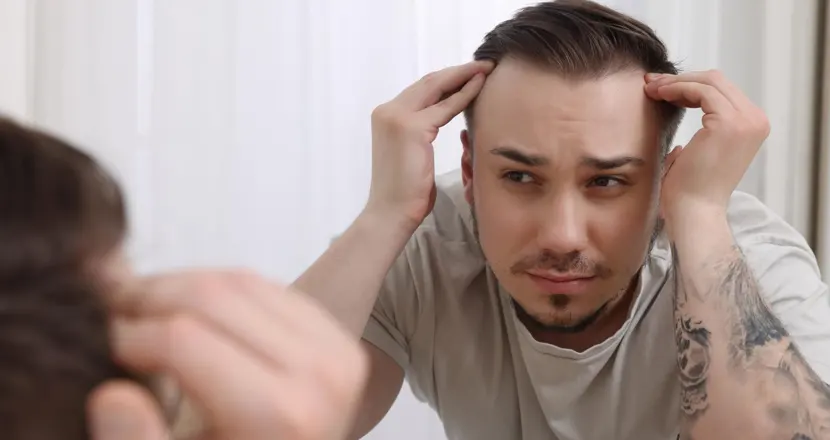
Hair loss is a common concern among men over 40, often affecting confidence and overall appearance. While many believe testosterone directly causes hair loss, the reality is more complex. The primary factor behind male pattern baldness is a hormone derived from testosterone called DHT (dihydrotestosterone).
Understanding how testosterone contributes to hair loss is essential for managing both hormonal health and hair preservation. Interestingly, low testosterone itself does not directly cause hair loss, but hormonal imbalances can influence hair growth cycles.
This guide explains the relationship between hair loss and testosterone, identifies the real causes, and provides proven natural strategies to support both hair health and hormone balance.
Key Highlights
- Testosterone itself does not directly cause hair loss
- DHT, a byproduct of testosterone, plays a key role
- Hair loss is often genetic and hormone-related
- Lifestyle factors influence both hair and testosterone
- Natural methods can support overall hair health
How Testosterone Affects Hair Loss
Testosterone influences hair growth indirectly through its conversion into DHT.
Role of DHT in Hair Loss
DHT is a hormone formed when testosterone is converted by an enzyme called 5-alpha reductase.
- DHT binds to hair follicles
- Causes follicles to shrink over time
- Leads to thinner and weaker hair
- Eventually stops hair growth
Testosterone vs Hair Loss – The Truth
It’s important to understand:
- High testosterone does not necessarily cause hair loss
- Low testosterone does not prevent hair loss
- Sensitivity of hair follicles to DHT is the key factor
Causes of Hair Loss and Hormonal Imbalance
Several factors contribute to hair loss and hormonal changes.
Genetics
Family history is the strongest predictor of hair loss.
Hormonal Changes
Imbalances in testosterone and DHT affect hair growth.
Aging
Hair follicles become more sensitive to DHT over time.
Poor Diet
Nutrient deficiencies weaken hair health.
Chronic Stress
Stress can disrupt hair growth cycles.
Poor Sleep
Sleep deprivation affects hormone balance and hair health.
Symptoms of Hair Loss Linked to Hormones
Recognizing patterns can help identify hormonal causes.
Common Symptoms
- Receding hairline
- Thinning crown area
- Gradual hair thinning
- Increased hair shedding
Proven Natural Methods to Support Hair and Testosterone
Natural lifestyle improvements can support both hormone balance and hair health.
1. Exercise Regularly
Exercise improves circulation and hormone balance.
Best practices:
- Strength training 3–4 times weekly
- Include cardio exercises
- Stay consistent
2. Optimize Your Diet
Nutrition is essential for hair and hormone health.
Include:
- Protein-rich foods (eggs, fish, lean meat)
- Healthy fats (nuts, olive oil)
- Foods rich in vitamins and minerals
Avoid:
- Processed foods
- Excess sugar
- Nutrient deficiencies
3. Improve Sleep Quality
Sleep supports hormone regulation and hair growth.
Tips:
- 7–8 hours per night
- Maintain a consistent sleep routine
4. Manage Stress
Reducing stress helps prevent hair loss.
Effective strategies:
- Meditation
- Physical activity
- Relaxation techniques
5. Maintain Healthy Weight
Weight management supports hormone balance.
Focus on:
- Balanced diet
- Regular exercise
6. Get Sunlight Exposure
Vitamin D supports hair follicles and testosterone.
Recommendation:
- 15–30 minutes daily
7. Improve Lifestyle Habits
Healthy habits support long-term hair health.
Key habits:
- Limit alcohol
- Avoid smoking
- Maintain overall health
Timeline for Results
Improving hair health and hormonal balance takes time.
- 1–2 weeks: Improved overall well-being
- 3–4 weeks: Better sleep and reduced stress
- 6–8 weeks: Reduced hair shedding (in some cases)
- 3+ months: Noticeable improvement in hair health
When to Seek Medical Help
Medical evaluation may be necessary in certain situations.
Consult a doctor if you experience:
- Rapid or severe hair loss
- Sudden thinning without family history
- Hair loss along with fatigue or hormonal symptoms
- No improvement with lifestyle changes
A healthcare provider may recommend hormone testing or specific treatments.
Conclusion
Hair loss and testosterone are closely connected, but the relationship is often misunderstood. While testosterone itself is not the direct cause, its conversion to DHT plays a key role in male pattern baldness.
By focusing on natural lifestyle improvements such as exercise, nutrition, sleep, and stress management, men can support both hormone balance and hair health. If hair loss persists, medical evaluation ensures proper diagnosis and effective treatment.






 This article changed my life!
 This article was informative.
 I have a medical question.
 This article contains incorrect information.
 This article doesn’t have the information I’m looking for.