
Table Of Contents
Introduction
High blood pressure, also known as hypertension, is one of the most common health conditions affecting men. Often called the “silent killer,” it can develop without noticeable symptoms while quietly damaging your blood vessels, heart, and overall circulation.
When blood pressure remains elevated for long periods, it forces your heart to work harder and puts strain on your arteries. Over time, this can lead to reduced blood flow, increasing the risk of heart disease, stroke, and even erectile dysfunction.
The good news is that high blood pressure can be managed—and often improved—through consistent lifestyle changes. Understanding the causes and taking early action can significantly improve your long-term health.
Key Highlights
- High blood pressure damages blood vessels and reduces circulation efficiency
- It often develops without noticeable symptoms in early stages
- Common causes include poor diet, stress, lack of exercise, and aging
- Lifestyle changes can significantly lower blood pressure naturally
- Early management reduces the risk of heart disease and other complications
What Is High Blood Pressure?
High blood pressure occurs when the force of blood pushing against artery walls is consistently too high. This extra pressure damages blood vessels, making them less flexible and more prone to narrowing or blockage.
Blood pressure is measured using two numbers:
- Systolic pressure (top number), which measures pressure during heartbeats
- Diastolic pressure (bottom number), which measures pressure between beats
When these numbers stay elevated over time, it can lead to serious health problems affecting the heart, brain, and circulation.
Causes of High Blood Pressure
High blood pressure develops gradually and is often influenced by multiple factors, especially in men over 40.
Aging and Arterial Stiffness
As you age, arteries lose elasticity and become stiffer. This makes it harder for blood to flow smoothly, increasing pressure inside the vessels.
Poor Diet
Diets high in salt, processed foods, and unhealthy fats contribute significantly to high blood pressure by causing fluid retention and inflammation.
Lack of Physical Activity
A sedentary lifestyle weakens the heart and reduces circulation efficiency, leading to increased pressure in the arteries.
Excess Weight
Being overweight forces the heart to pump harder to supply the body with blood, increasing blood pressure levels.
Chronic Stress
Long-term stress leads to the release of hormones that tighten blood vessels and raise blood pressure.
Smoking and Alcohol
Smoking damages blood vessels, while excessive alcohol intake raises blood pressure and reduces vascular health.
Symptoms of High Blood Pressure
High blood pressure often has no obvious symptoms, especially in its early stages. However, as it worsens, some signs may appear.
- Headaches or pressure in the head
- Dizziness or lightheadedness
- Shortness of breath
- Fatigue or low energy
- Blurred vision
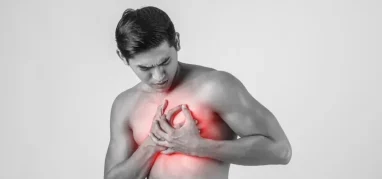
- Chest discomfort
- Reduced physical performance
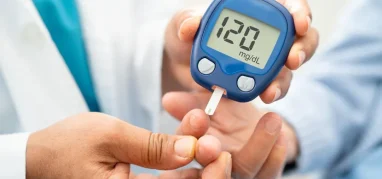
Because symptoms are often subtle, regular monitoring is essential.
Proven Natural Methods to Control High Blood Pressure
Managing blood pressure naturally focuses on improving overall cardiovascular health and reducing strain on the arteries.
Exercise and Physical Activity
Regular exercise strengthens the heart and improves blood vessel flexibility, helping to lower blood pressure.
- Aim for 30 minutes of moderate activity most days
- Include walking, cycling, or swimming
- Add light strength training for overall health
Healthy Diet
A balanced diet plays a major role in controlling blood pressure.
- Eat more fruits and vegetables
- Choose whole grains and lean proteins
- Reduce salt intake
- Avoid processed and high-fat foods
Foods rich in potassium and antioxidants support healthy blood pressure levels.
Quality Sleep
Poor sleep can increase stress hormones and negatively impact blood pressure. Consistent, restful sleep helps regulate cardiovascular function.
Aim for 7–8 hours of quality sleep every night.
Stress Management
Managing stress is essential for controlling blood pressure.
- Practice deep breathing exercises
- Try meditation or relaxation techniques
- Reduce exposure to stressful situations when possible
Weight Management
Losing excess weight reduces the workload on the heart and helps lower blood pressure. Even small weight loss can make a significant difference.
Sunlight and Vitamin D
Sunlight exposure helps regulate blood pressure by supporting vascular health and improving nitric oxide availability.
Lifestyle Improvements
Small daily changes can have a strong impact on blood pressure.
- Stay hydrated
- Quit smoking
- Limit alcohol intake
- Avoid long periods of inactivity
Timeline for Results
Improving blood pressure takes consistency and commitment. Results vary based on lifestyle changes and individual health.
- 1–2 weeks: Slight improvements in energy and stress levels
- 3–4 weeks: Noticeable reduction in blood pressure readings
- 6–8 weeks: Improved cardiovascular health and circulation
Long-term habits are essential for maintaining healthy blood pressure.
When to Seek Medical Help
While lifestyle changes can significantly improve blood pressure, some situations require medical attention.
Seek help if you experience:
- Consistently high blood pressure readings
- Severe headaches or chest pain
- Shortness of breath
- Vision problems
- Symptoms that worsen over time
Medical guidance may include monitoring, medication, or further evaluation.
Conclusion
High blood pressure is a serious but manageable condition, especially for men over 40. Left untreated, it can damage blood vessels, reduce circulation, and increase the risk of major health problems.
By focusing on exercise, diet, stress management, and overall lifestyle improvements, you can effectively control blood pressure and improve your long-term health.
Taking action early is the key to preventing complications and maintaining strong circulation and vitality.





 This article changed my life!
 This article was informative.
 I have a medical question.
 This article contains incorrect information.
 This article doesn’t have the information I’m looking for.