Table Of Contents
Introduction
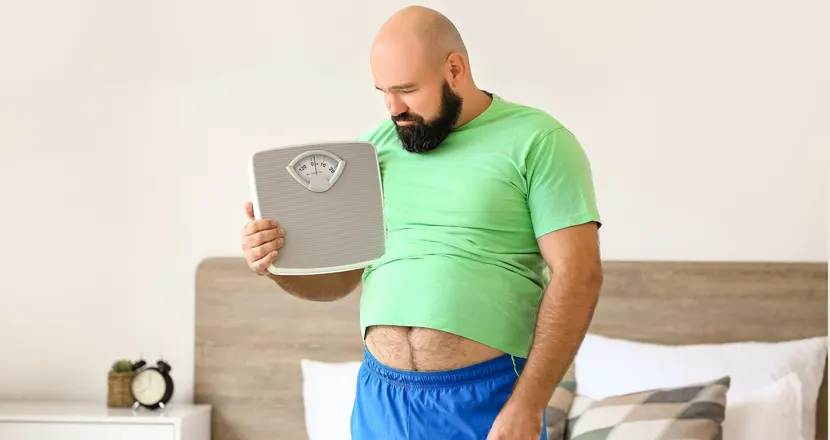
Weight gain is a common concern for men over 40, especially when it becomes harder to lose fat despite maintaining the same diet and activity levels. One of the most overlooked causes of this issue is declining testosterone levels.
Testosterone plays a crucial role in regulating metabolism, muscle mass, and fat distribution. When levels drop, the body tends to store more fat—particularly around the abdomen—while losing lean muscle.
This guide explores the connection between weight gain and low testosterone, explains the underlying causes, and provides proven natural strategies to restore hormonal balance and achieve healthy weight management.
Key Highlights
- Low testosterone slows metabolism and promotes fat gain
- Belly fat is strongly linked to hormonal imbalance
- Weight gain and low testosterone create a cycle
- Lifestyle changes can reverse both conditions
- Consistency is essential for long-term results
How Low Testosterone Leads to Weight Gain
Testosterone plays a key role in maintaining a healthy body composition.
Role of Testosterone in Metabolism
Testosterone influences several metabolic functions:
- Muscle mass maintenance
- Fat distribution
- Calorie burning efficiency
- Insulin sensitivity
What Happens When Testosterone Drops
When testosterone levels decline, the body undergoes several changes:
- Reduced muscle mass
- Slower metabolism
- Increased fat storage
- Higher likelihood of belly fat accumulation
This creates a cycle where weight gain further lowers testosterone levels.
Causes of Low Testosterone and Weight Gain
Several factors contribute to both hormonal imbalance and increased body fat.
Aging
Testosterone naturally declines after age 30–40.
Poor Diet
High-calorie, low-nutrient diets promote fat gain and reduce testosterone.
Sedentary Lifestyle
Lack of physical activity lowers metabolism and hormone levels.
Chronic Stress
High cortisol leads to fat storage and reduced testosterone.
Poor Sleep
Sleep deprivation disrupts hormones that regulate weight and testosterone.
Excess Body Fat
Fat tissue increases estrogen levels, further lowering testosterone.
Symptoms of Weight Gain Linked to Low Testosterone
Recognizing these symptoms early can help in effective management.
Common Symptoms
- Increased belly fat
- Difficulty losing weight
- Reduced muscle mass
- Low energy levels
- Slower metabolism
Proven Natural Methods to Reduce Weight and Boost Testosterone
Natural lifestyle changes are the most effective way to break the cycle.
1. Exercise Regularly
Exercise is essential for fat loss and hormone balance.
Best practices:
- Strength training 3–4 times weekly
- Include cardio workouts
- Focus on consistency
2. Optimize Your Diet
Nutrition plays a major role in weight and hormone control.
Include:
- Healthy fats (nuts, olive oil)
- Protein (eggs, fish, lean meat)
- Whole, unprocessed foods
Avoid:
- Processed foods
- Excess sugar
- Refined carbohydrates
3. Improve Sleep Quality
Sleep is critical for weight management and testosterone production.
Tips:
- 7–8 hours of sleep nightly
- Maintain a consistent routine
4. Manage Stress
Reducing stress helps prevent fat accumulation.
Effective strategies:
- Meditation
- Physical activity
- Relaxation techniques
5. Maintain Healthy Weight
Losing excess fat improves testosterone levels.
Focus on:
- Sustainable diet
- Regular exercise
6. Get Sunlight Exposure
Vitamin D supports fat metabolism and testosterone.
Recommendation:
- 15–30 minutes daily
7. Improve Lifestyle Habits
Healthy habits support long-term weight control.
Key habits:
- Limit alcohol
- Avoid smoking
- Stay active throughout the day
Timeline for Results
Improving weight and testosterone requires patience and consistency.
- 1–2 weeks: Improved energy and reduced bloating
- 3–4 weeks: Better metabolism and slight fat loss
- 6–8 weeks: Noticeable weight reduction and strength improvement
- 3+ months: Significant fat loss and hormonal balance
When to Seek Medical Help
Medical evaluation may be necessary in certain situations.
Consult a doctor if you experience:
- Rapid or unexplained weight gain
- Persistent belly fat
- Low libido and fatigue
- No results despite lifestyle changes
A hormone test can help determine if low testosterone is contributing to weight gain.
Conclusion
Weight gain and low testosterone are closely linked, especially in men over 40. This creates a cycle where hormonal imbalance leads to fat gain, which further reduces testosterone levels.
By focusing on natural lifestyle improvements such as exercise, nutrition, sleep, and stress management, men can break this cycle and achieve sustainable weight loss and hormonal balance. If necessary, medical evaluation ensures proper diagnosis and treatment.







 This article changed my life!
 This article was informative.
 I have a medical question.
 This article contains incorrect information.
 This article doesn’t have the information I’m looking for.