Table Of Contents
Introduction
A healthy diet plays a central role in maintaining strong and efficient blood circulation. As we age, circulation can decline due to lifestyle factors, stress, and reduced nitric oxide levels. This can affect energy, stamina, and overall cardiovascular health.
For individuals over 40, focusing on the right diet becomes even more important. The foods you eat can either support or hinder blood flow. Nutrient-rich foods help relax blood vessels, reduce inflammation, and improve oxygen delivery throughout the body.
This guide explains how a proper diet supports circulation and outlines the best food choices to maintain healthy blood flow naturally.
Key Highlights
- A proper diet supports healthy blood vessels and circulation
- Nutrients like nitrates and antioxidants improve blood flow
- Leafy greens, fruits, and healthy fats are essential
- Diet works best when combined with active lifestyle habits
- Consistency in nutrition leads to long-term improvements
How Diet Affects Blood Circulation
Blood circulation depends heavily on the health of your blood vessels. A poor diet can lead to inflammation, plaque buildup, and reduced flexibility in arteries. On the other hand, a balanced and nutrient-rich diet helps keep blood vessels open and functioning properly.
Certain nutrients, such as nitrates, antioxidants, and omega-3 fatty acids, directly support circulation. Nitrates help the body produce nitric oxide, which relaxes blood vessels and improves blood flow. Antioxidants protect arteries from damage, while healthy fats support overall cardiovascular function.
A well-balanced diet ensures that your circulatory system remains strong and efficient over time.
Best Foods for Blood Circulation
Leafy Green Vegetables
Leafy greens like spinach, kale, and arugula are rich in natural nitrates. These compounds help the body produce nitric oxide, which improves blood vessel relaxation and circulation.
Including these vegetables regularly can support better oxygen delivery and overall vascular health.
Beets and Beetroot
Beets are one of the most effective foods for improving circulation. They contain high levels of nitrates that help increase nitric oxide production in the body.
This leads to improved blood flow, better stamina, and enhanced cardiovascular performance.
Fatty Fish
Salmon, mackerel, and sardines are rich in omega-3 fatty acids. These healthy fats help reduce inflammation and support flexible blood vessels.
Consuming fatty fish regularly supports heart health and improves circulation efficiency.
Citrus Fruits
Oranges, lemons, and grapefruits provide vitamin C and flavonoids, which strengthen blood vessels and improve their function.
These nutrients help maintain healthy arteries and promote better circulation throughout the body.
Berries
Blueberries, strawberries, and raspberries are packed with antioxidants that protect blood vessels from oxidative stress.
They help improve vascular flexibility and support healthy blood flow over time.
Nuts and Seeds
Almonds, walnuts, flaxseeds, and chia seeds provide healthy fats and essential nutrients that support circulation.
They also help maintain healthy cholesterol levels, which is important for preventing artery blockages.
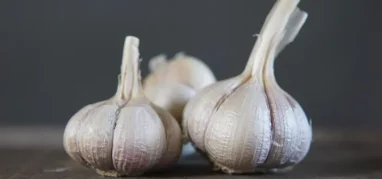
Garlic
Garlic has natural compounds that support nitric oxide production and help relax blood vessels.
It is known for its ability to support healthy blood pressure and improve circulation naturally.
Lifestyle Habits That Enhance Diet Results
While diet is the foundation of good circulation, combining it with healthy habits produces the best results.
Regular physical activity helps keep blood moving efficiently through the body. Even simple activities like walking or light exercise can significantly improve circulation over time.
Getting enough sleep allows the body to repair blood vessels and regulate circulation. Poor sleep can negatively impact cardiovascular health and reduce nitric oxide levels.
Managing stress is equally important. Chronic stress can restrict blood flow, so practices like deep breathing or meditation can help support better circulation.
Staying hydrated ensures that blood flows smoothly and maintains proper volume. Even mild dehydration can affect circulation.
Maintaining a healthy weight reduces strain on the cardiovascular system and supports overall blood flow.
Timeline: When You May Notice Results
Improvements in blood circulation depend on consistency and lifestyle changes.
In the first few weeks, you may notice increased energy and reduced fatigue. As you continue following a healthy diet, circulation improves gradually.
Within one to three months, more noticeable improvements in stamina, energy levels, and overall cardiovascular health can occur. Long-term consistency leads to sustained benefits.
When to Seek Medical Help
If you experience persistent symptoms such as numbness, tingling, chest discomfort, or reduced physical performance, it is important to consult a healthcare professional.
These symptoms may indicate underlying conditions that require medical evaluation and treatment. Early diagnosis can help prevent complications and ensure better health outcomes.
Conclusion
A well-balanced diet for blood circulation is one of the most effective ways to naturally support healthy blood flow and overall cardiovascular function. Nutrient-rich foods like leafy greens, beets, fatty fish, fruits, and nuts help boost nitric oxide, reduce inflammation, and keep blood vessels strong and flexible.
When combined with regular exercise, proper hydration, stress management, and quality sleep, this diet can lead to noticeable improvements in energy, stamina, and long-term vascular health. Consistency is key—maintaining healthy eating habits over time ensures sustained circulation and better overall well-being.






 This article changed my life!
 This article was informative.
 I have a medical question.
 This article contains incorrect information.
 This article doesn’t have the information I’m looking for.