Table Of Contents
Introduction
As men age—especially after 40—testosterone levels naturally decline, often leading to fatigue, reduced muscle mass, low libido, and decreased overall performance. When faced with these symptoms, many men explore two primary options: Testosterone Replacement Therapy (TRT) or natural testosterone boosting methods.
Both approaches aim to improve hormone levels, but they differ significantly in how they work, their risks, long-term sustainability, and overall impact on health. Choosing between TRT and natural methods depends on individual health conditions, severity of symptoms, and long-term goals.
This guide provides a clear and practical comparison of TRT vs natural testosterone boost, helping you make an informed decision based on your needs.
Key Highlights
- TRT provides faster and more direct results
- Natural methods focus on long-term hormonal balance
- TRT requires medical supervision and ongoing monitoring
- Natural approaches are safer but require consistency
- The right choice depends on individual health and testosterone levels
What Is Testosterone Replacement Therapy (TRT)?
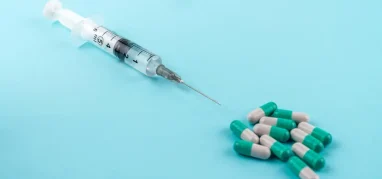
Testosterone Replacement Therapy (TRT) is a medical treatment used to restore testosterone levels in men diagnosed with clinically low testosterone. It involves supplementing the body with external testosterone through injections, gels, patches, or pellets.
TRT is typically recommended when blood tests confirm low testosterone levels along with noticeable symptoms. It is designed to bring hormone levels back to a normal range and improve quality of life.
However, TRT is not a casual solution—it requires medical supervision and long-term commitment.
What Is Natural Testosterone Boosting?
Natural testosterone boosting focuses on improving the body’s ability to produce testosterone through lifestyle changes. This includes exercise, proper nutrition, quality sleep, stress management, and maintaining a healthy weight.
Unlike TRT, natural methods do not introduce external hormones. Instead, they optimize internal processes to support hormone production.
While results may take longer, they are more sustainable and come with additional health benefits.
TRT vs Natural Testosterone Boost – Key Differences
Understanding the core differences between these two approaches is essential for making the right decision.
Speed of Results
TRT delivers faster results because it directly increases testosterone levels in the body.
- TRT: Noticeable improvements within weeks
- Natural methods: Gradual improvements over weeks to months
Effectiveness
TRT is highly effective for men with clinically low testosterone, while natural methods are more suitable for mild to moderate cases.
- TRT: Strong and predictable results
- Natural methods: Depends on consistency and lifestyle
Safety and Risks
Safety is a key factor when choosing between the two.
- TRT: Requires monitoring due to potential side effects
- Natural methods: Generally safe with minimal risks
Long-Term Sustainability
Sustainability differs significantly between these approaches.
- TRT: Often requires lifelong treatment
- Natural methods: Builds long-term healthy habits
Impact on Natural Testosterone Production
TRT can affect the body’s natural hormone production.
- TRT: May suppress natural testosterone production
- Natural methods: Supports natural hormone balance
Benefits of TRT
TRT offers several advantages, especially for men with significantly low testosterone levels.
- Rapid improvement in energy and mood
- Increased muscle mass and strength
- Enhanced libido and sexual performance
- Improved bone density
- Better overall quality of life
These benefits can be life-changing when used appropriately.
Benefits of Natural Testosterone Boosting
Natural methods provide a holistic approach to improving hormone health.
- Improves overall physical health
- Enhances sleep quality and energy levels
- Reduces stress and improves mental well-being
- Supports long-term hormone balance
- No dependency on external treatments
These benefits extend beyond testosterone and improve overall wellness.
When Should You Choose TRT?
TRT may be the right choice if:
- Blood tests confirm clinically low testosterone
- Symptoms significantly affect daily life
- Natural methods have not provided sufficient results
- You are under medical supervision
TRT is best suited for individuals with severe hormonal deficiencies.
When Should You Choose Natural Methods?
Natural testosterone boosting is ideal if:
- Testosterone levels are slightly or moderately low
- You prefer a non-medical approach
- You want to improve overall health
- You are willing to commit to long-term lifestyle changes
For many men, natural methods are the first and most sustainable step.
Can You Combine TRT and Natural Methods?
Yes, combining TRT with healthy lifestyle habits can improve results. Even if you choose TRT, maintaining proper diet, exercise, sleep, and stress management is essential.
Natural habits enhance the effectiveness of TRT and help maintain overall health.
How Long Does It Take to See Results?
The timeline for results varies between the two approaches.
TRT
- 2–3 weeks: Improved energy and mood
- 4–6 weeks: Enhanced libido
- 8–12 weeks: Increased strength
Natural Methods
- 2–4 weeks: Better sleep and energy
- 6–8 weeks: Improved performance
- 3+ months: Noticeable hormonal changes
Consistency plays a major role in both approaches.
Conclusion
When comparing TRT vs natural testosterone boost, the best choice depends on your individual health condition and goals.
TRT offers fast and effective results for men with clinically low testosterone, but it requires medical supervision and long-term commitment. On the other hand, natural methods provide a safer, more sustainable approach that improves overall health and supports long-term hormone balance.
For most men over 40, starting with natural methods is the recommended first step. If symptoms persist despite lifestyle changes, TRT can be considered under professional guidance.
Ultimately, the most effective strategy combines informed decision-making with consistent healthy habits.







 This article changed my life!
 This article was informative.
 I have a medical question.
 This article contains incorrect information.
 This article doesn’t have the information I’m looking for.