Table Of Contents
Introduction
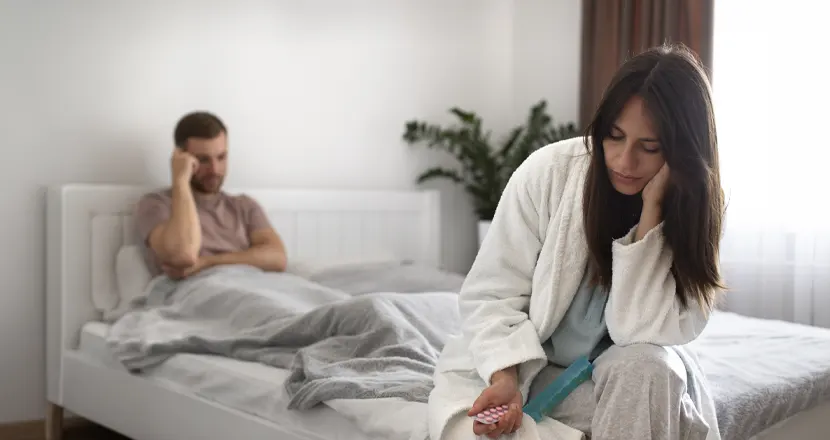
A decline in sexual desire is sometimes linked with a shift in attraction toward a partner. While this change may not always be obvious at first, it often develops gradually and becomes noticeable through emotional and behavioral patterns.
Men experiencing a loss of attraction partner dynamic may not immediately recognize the connection. Instead, they may notice reduced interest in intimacy, emotional distance, or a lack of excitement in the relationship. Understanding these symptoms can help identify how attraction and libido are connected.
Highlights
- Loss of attraction can directly influence male libido
- Emotional disconnect is often one of the first symptoms
- Behavioral changes may reflect reduced interest in a partner
- Intimacy and communication may decline over time
- Recognizing symptoms early helps maintain relationship balance
Early Signs of Reduced Attraction and Libido
In the early stages, symptoms are often subtle and may not seem concerning. Small changes in emotional engagement or interest may begin to appear.
- Slight decrease in interest toward a partner
- Reduced excitement in romantic situations
- Less enthusiasm for spending time together
- Occasional emotional detachment
Emotional Symptoms Linked to Attraction Loss
Emotional changes are often the most noticeable symptoms when attraction begins to decline. These signs can affect how a man feels toward his partner and the relationship.
- Feeling emotionally distant or disconnected
- Reduced emotional bonding or closeness
- Lack of excitement or anticipation
- Increased irritability or frustration in interactions
Behavioral Changes That Reflect Reduced Attraction
Behavioral patterns often reveal how attraction loss is influencing libido. These changes may become more consistent over time.
- Avoidance of romantic or intimate situations
- Reduced effort in maintaining connection
- Less initiation of physical or emotional closeness
- Preference for spending time apart
Intimacy-Related Symptoms
- Decreased frequency of intimate moments
- Lack of initiation during intimacy
- Reduced responsiveness or engagement
- Feeling disconnected during close interactions
Communication-Related Symptoms
- Avoiding discussions about intimacy or relationship concerns
- Reduced emotional expression
- Increased misunderstandings or tension
- Less meaningful conversation
Signs That the Pattern May Be Persistent
- Ongoing lack of attraction toward partner
- Consistent low libido over time
- No improvement in emotional or physical connection
- Continued dissatisfaction in the relationship
How These Symptoms Affect Daily Life
Low libido combined with reduced attraction can influence emotional well-being and relationship satisfaction.
Over time, this can create a cycle where reduced attraction lowers libido, and low libido further affects emotional connection.
Why Early Recognition Matters
Because these symptoms develop gradually, they are often ignored in the early stages. Recognizing them early allows for better awareness of how attraction and libido are connected.
Conclusion
Low libido and attraction loss symptoms in men often include emotional distance, reduced intimacy, behavioral changes, and communication gaps. These symptoms may begin subtly but can become more noticeable over time.
By recognizing these signs early, men can better understand how changes in attraction may be affecting their libido and relationships. Awareness is key to maintaining emotional connection and overall well-being.







 This article changed my life!
 This article was informative.
 I have a medical question.
 This article contains incorrect information.
 This article doesn’t have the information I’m looking for.