Table Of Contents
Introduction
Coenzyme Q10 (CoQ10) is a naturally occurring compound found in every cell of the body and plays a key role in energy production and overall cellular health. It is especially important for organs that require high energy, such as the heart. Supporting adequate levels of CoQ10 may contribute to better heart performance and smoother blood flow throughout the body.
As CoQ10 levels tend to decline with age, the body may produce less energy at the cellular level. This can influence how efficiently the cardiovascular system functions. Maintaining healthy levels through diet or supplementation may help support circulation, energy levels, and overall vitality.
Key Highlights
- CoQ10 supports energy production, which is essential for heart function
- Helps maintain healthy blood vessels and overall vascular efficiency
- Acts as an antioxidant that protects cells from oxidative stress
- May support smoother blood flow when used consistently
- Found in foods like fish, organ meats, and leafy greens
- Works best when combined with a balanced diet and active lifestyle
What Makes CoQ10 Essential for the Body?
CoQ10 is a fat-soluble antioxidant that exists within the mitochondria, where it helps generate ATP (adenosine triphosphate), the primary energy source for cells. This energy is necessary for many bodily functions, including those involved in maintaining blood flow and heart activity.
Because the heart is constantly working, it requires a steady supply of energy. CoQ10 helps meet this demand by supporting efficient energy production at the cellular level.
How Does CoQ10 Influence Blood Circulation?
CoQ10 contributes to circulation in multiple ways. It supports the heart’s ability to pump blood effectively by enhancing cellular energy production. When the heart functions efficiently, blood is circulated more smoothly throughout the body.
It also acts as an antioxidant, helping protect blood vessels from oxidative stress. Healthier blood vessels are more flexible and better able to regulate blood flow, which supports overall vascular function.
Combined, these effects help maintain steady circulation and support cardiovascular efficiency over time.
Why Is Cellular Energy Important for Circulation?
Efficient circulation depends on the proper functioning of the heart and blood vessels. These systems require continuous energy to contract, relax, and transport blood throughout the body.
CoQ10 plays a central role in producing this energy. When cellular energy levels are sufficient, the cardiovascular system can operate more effectively, supporting the delivery of oxygen and nutrients to tissues.
What Are the Key Benefits of CoQ10 for Circulation?
- Supports efficient heart muscle performance
- Helps maintain healthy and flexible blood vessels
- May enhance oxygen and nutrient delivery
- Provides antioxidant protection against cellular damage
- Contributes to overall cardiovascular efficiency
These benefits are typically gradual and are best supported through consistent intake and a healthy lifestyle.
Which Foods Provide CoQ10?
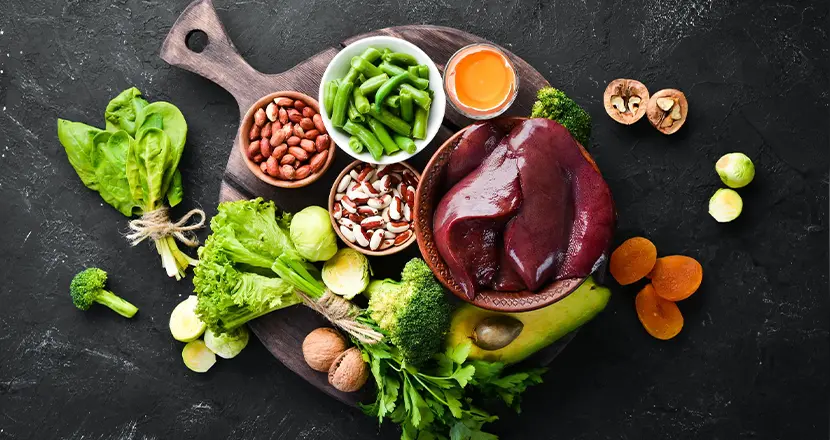
- Fatty fish such as sardines, mackerel, and tuna
- Organ meats like liver and kidney
- Leafy vegetables such as spinach and broccoli
- Nuts and seeds
While these sources are beneficial, dietary intake alone may not always provide sufficient levels for everyone, especially with aging.
Can CoQ10 Supplements Help Support Circulation?
CoQ10 supplements are commonly used to support heart health and energy production. They may be particularly useful for individuals with lower natural CoQ10 levels or those seeking additional cardiovascular support.
Supplementation can help improve cellular energy production, which may indirectly support better blood flow and vascular function. However, results depend on factors such as consistency, dosage, and overall lifestyle habits.
What Factors Influence CoQ10 Effectiveness?
Several factors can affect how well CoQ10 supports circulation. These include the form of CoQ10 used, how well it is absorbed, and how regularly it is taken.
Lifestyle habits also play a significant role. A balanced diet, regular physical activity, adequate sleep, and stress management can enhance the overall effectiveness of CoQ10 in supporting cardiovascular health.
Are There Any Limitations to CoQ10?
CoQ10 is a supportive nutrient rather than a quick solution. Its effects develop gradually over time and are best observed with consistent use.
It should be viewed as part of a broader wellness approach rather than a standalone remedy. Individual responses may vary depending on age, health status, and other factors.
When Should You Seek Professional Advice?
- If you have existing heart or chronic health conditions
- If you are taking medications such as blood thinners
- If you experience ongoing symptoms related to circulation
- If you are unsure about appropriate dosage or usage
Professional guidance can help ensure safe and effective use based on individual needs.
Conclusion
CoQ10 plays an important role in supporting energy production at the cellular level, which directly influences how efficiently the heart functions. Since the heart is responsible for pumping blood throughout the body, maintaining optimal CoQ10 levels may help support smoother and more consistent circulation over time.
Its antioxidant properties also help protect blood vessels from oxidative stress, contributing to overall vascular health. When combined with a healthy lifestyle, CoQ10 can be a valuable part of a long-term approach to supporting heart health and blood flow.





 This article changed my life!
 This article was informative.
 I have a medical question.
 This article contains incorrect information.
 This article doesn’t have the information I’m looking for.