Table Of Contents
Introduction
Slow healing wounds are more than just a minor inconvenience—they can be an early warning sign of poor blood circulation and underlying health issues. For men over 40, delayed healing often reflects deeper problems such as reduced blood flow, high blood sugar, or weakened immune response.
When your body is functioning optimally, cuts, bruises, and injuries heal within a predictable timeframe. However, if wounds take longer than usual to close or frequently reopen, it indicates that your body’s repair system is not working efficiently.
Understanding why wounds heal slowly and taking the right steps to improve recovery can prevent complications and support overall health.
Key Highlights
- Slow healing wounds often signal poor blood circulation or underlying health conditions
- Reduced oxygen and nutrient delivery delays tissue repair
- Common causes include diabetes, aging, and poor lifestyle habits
- Improving blood flow can significantly speed up healing
- Early intervention helps prevent infections and complications
What Are Slow Healing Wounds?
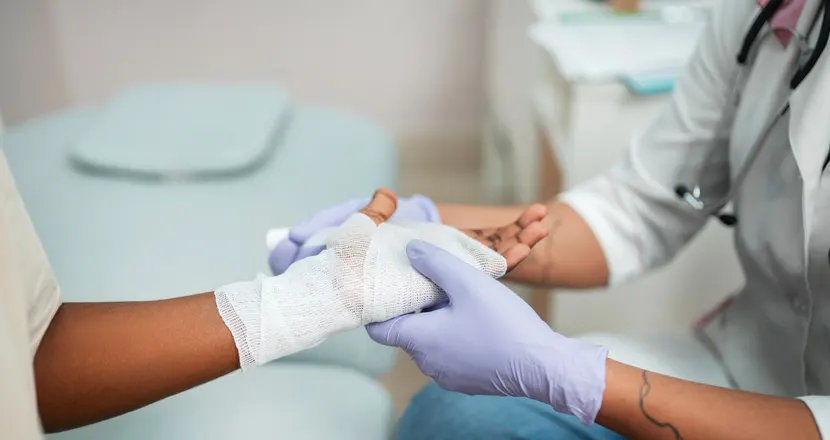
Slow healing wounds are injuries that take longer than normal to repair. This includes cuts, scrapes, bruises, or ulcers that do not show signs of improvement within a few days or weeks.
Wound healing is a complex process that requires proper blood flow, oxygen, nutrients, and immune response. When any of these factors are compromised, the healing process slows down.
In many cases, slow healing is directly linked to reduced circulation, which limits the delivery of essential nutrients needed for tissue repair.
Causes of Slow Healing Wounds
Several factors can interfere with the body’s natural healing process. These causes are often interconnected, especially in men over 40.
Poor Blood Circulation
One of the primary causes of slow healing wounds is reduced blood flow. When circulation is impaired, oxygen and nutrients cannot reach the affected area efficiently, delaying recovery.
Diabetes and High Blood Sugar
High blood sugar levels damage blood vessels and nerves, significantly slowing wound healing. This is particularly common in the feet and lower limbs.
Aging
As the body ages, the skin becomes thinner and less elastic. The body’s ability to repair tissues also declines, leading to slower healing.
Weak Immune System
A weakened immune response reduces the body’s ability to fight infections and repair damaged tissue.
Nutritional Deficiencies
Lack of essential nutrients such as vitamins, minerals, and protein can slow down the healing process.
Smoking and Poor Lifestyle Habits
Smoking restricts blood vessels and reduces oxygen levels, while poor habits like inactivity further reduce circulation.
Warning Signs You Should Not Ignore
Recognizing the early signs of slow healing wounds can help prevent serious complications.
- Wounds that do not improve within 7–10 days
- Frequent reopening of cuts or injuries
- Increased redness or swelling
- Signs of infection such as pus or warmth
- Persistent pain around the wound
- Darkened or discolored skin around the area
These symptoms indicate that the healing process is impaired and needs attention.
Proven Natural Methods to Heal Wounds Faster
Improving wound healing requires enhancing blood flow, supporting the immune system, and maintaining proper care.
Improve Blood Circulation
Better circulation ensures that oxygen and nutrients reach the wound site.
- Engage in regular physical activity such as walking
- Avoid prolonged sitting
- Stretch and move frequently
Improved blood flow is one of the most effective ways to speed up healing.
Optimize Your Diet
A nutrient-rich diet supports tissue repair and immune function.
- Include protein-rich foods for tissue regeneration
- Eat fruits and vegetables rich in antioxidants
- Consume healthy fats to reduce inflammation
Avoid processed foods and excessive sugar intake.
Maintain Proper Wound Care
Keeping wounds clean and protected is essential for faster healing.
- Clean wounds regularly
- Use appropriate dressings
- Avoid unnecessary pressure on the affected area
Get Quality Sleep
Sleep plays a critical role in tissue repair and recovery. Poor sleep slows down healing and weakens the immune system.
Aim for consistent and uninterrupted sleep each night.
Manage Stress Levels
Chronic stress can suppress the immune system and delay healing.
- Practice relaxation techniques
- Focus on breathing exercises
- Reduce daily stress triggers
Maintain Healthy Weight
Excess weight reduces circulation and increases inflammation, both of which can slow healing.
Stay Hydrated
Proper hydration supports circulation and helps transport nutrients throughout the body.
Timeline for Healing
The healing timeline varies depending on the severity of the wound and overall health.
- Minor cuts: 3–7 days
- Moderate wounds: 1–3 weeks
- Chronic wounds: Several weeks or longer
If healing takes significantly longer than expected, it may indicate an underlying issue.
When to Seek Medical Help
While many wounds can heal naturally, certain situations require medical attention.
Seek help if you notice:
- Wounds that do not heal after two weeks
- Signs of infection such as pus or fever
- Severe pain or swelling
- Wounds in diabetic individuals
- Recurring wounds in the same area
Prompt treatment can prevent serious complications.
Conclusion
Slow healing wounds are often a sign that something deeper is affecting your body’s ability to recover. For men over 40, this is frequently linked to poor circulation, lifestyle habits, or underlying health conditions.
The key to faster healing lies in improving blood flow, maintaining proper nutrition, and supporting overall health. Small changes in daily habits can significantly enhance your body’s ability to repair itself.
Addressing the root cause early not only speeds up recovery but also helps prevent long-term health issues.







 This article changed my life!
 This article was informative.
 I have a medical question.
 This article contains incorrect information.
 This article doesn’t have the information I’m looking for.