Table Of Contents
Introduction
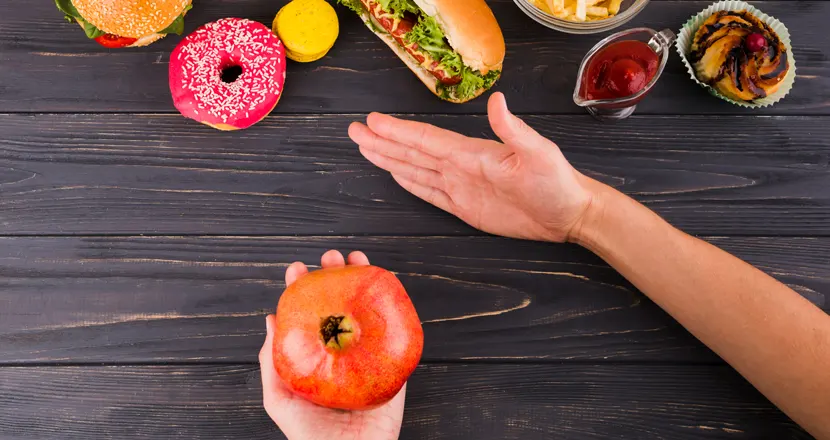
Libido, or sexual desire, is influenced by several factors including hormone balance, stress levels, circulation, sleep quality, and diet. While many people focus on foods that may improve sexual wellness, certain everyday foods may negatively affect libido by reducing testosterone levels, impairing blood flow, increasing inflammation, and lowering energy levels.
Highly processed foods, excess sugar, alcohol, unhealthy fats, and poor dietary habits may gradually affect sexual performance and desire over time. In some cases, these foods can contribute to hormonal imbalance, fatigue, weight gain, and poor cardiovascular health all of which are closely connected to libido.
Understanding which foods may lower sex drive can help support better hormonal health, improved energy, and overall sexual wellness naturally.
Key Highlights
- Processed foods and excess sugar may negatively affect hormone balance
- Alcohol and fried foods can impair circulation and sexual performance
- Poor dietary habits may contribute to fatigue and low libido
- High inflammation and insulin resistance are linked to reduced testosterone
- Replacing unhealthy foods with nutrient-rich alternatives may support sexual wellness naturally
How Diet Can Affect Libido
Diet plays a major role in regulating hormones such as testosterone, estrogen, dopamine, and cortisol, which influence sexual desire and performance. Diets high in processed foods and refined carbohydrates may increase oxidative stress and inflammation, both of which are associated with lower testosterone production and reduced circulation.
Excess sugar intake may also contribute to insulin resistance and metabolic dysfunction. Research suggests that insulin resistance and obesity are associated with lower testosterone levels and reduced sexual health.
Poor circulation is another important factor. Healthy blood flow supports arousal and sexual responsiveness, while vascular dysfunction may negatively affect libido and performance.
Top Foods That Kill Libido
1. Processed Foods
Processed foods are often high in preservatives, artificial additives, sodium, and unhealthy fats. Frequent consumption may contribute to chronic inflammation and hormonal imbalance. Many packaged foods also contain trans fats, which are associated with poor cardiovascular health and reduced circulation.
Poor blood flow can directly affect arousal and sexual performance. Additionally, heavily processed foods are generally low in nutrients that support hormone production and energy metabolism.
Common Examples
- Packaged snacks
- Frozen meals
- Processed meats
- Instant noodles
- Fast food items
2. Excess Sugar
High sugar intake may negatively affect libido by causing rapid spikes and crashes in blood sugar levels. These fluctuations often lead to fatigue, low energy, irritability, and poor mood.
Over time, excessive sugar consumption may increase insulin resistance and inflammation, both of which are linked to lower testosterone levels and reduced sexual wellness. High sugar diets are also associated with obesity and metabolic health issues that can impair circulation and hormone balance.
Foods High in Added Sugar
- Soft drinks
- Candy and desserts
- Sweetened coffee drinks
- Packaged juices
- Sugary cereals
3. Alcohol
While small amounts of alcohol may temporarily reduce inhibition, excessive alcohol consumption can negatively affect libido and sexual performance over time. Alcohol may interfere with testosterone production, impair nerve function, reduce blood circulation, and increase fatigue.
Heavy drinking is also associated with erectile dysfunction, poor stamina, and reduced sexual responsiveness. Long-term alcohol use may contribute to hormonal imbalance and decreased overall vitality.
Signs Alcohol May Be Affecting Libido
- Reduced sexual desire
- Difficulty maintaining arousal
- Fatigue and low energy
- Poor sleep quality
- Reduced stamina
4. Fried and Fast Foods
Fried foods are often high in trans fats and oxidized oils that may contribute to inflammation and poor cardiovascular health. Since sexual health is closely connected to blood circulation, poor vascular function can negatively impact libido and performance.
Frequent consumption of fast food may also contribute to weight gain, fatigue, and reduced energy levels. Diets high in unhealthy fats are commonly linked to lower testosterone and reduced physical wellness.
Common Libido-Lowering Fast Foods
- French fries
- Fried chicken
- Burgers
- Deep-fried snacks
- Processed fast-food meals
5. Excess Soy Products
Soy contains phytoestrogens, naturally occurring plant compounds that can mimic estrogen in the body. Moderate soy intake is generally considered safe for most individuals, but excessive consumption may affect hormone balance in some people.
Some studies suggest very high soy intake could influence testosterone levels, although evidence remains mixed. Balance and moderation are important.
Soy Foods Commonly Consumed
- Soy milk
- Tofu
- Soy protein isolate
- Processed soy snacks
- Edamame
6. Excessive Caffeine
Moderate caffeine intake is usually safe, but excessive consumption may increase cortisol levels, the body’s primary stress hormone. Chronically elevated cortisol may negatively affect testosterone production, sleep quality, mood, and libido.
Too much caffeine may also contribute to anxiety, restlessness, and poor sleep, which can further reduce sexual desire and energy levels.
High-Caffeine Sources
- Energy drinks
- Multiple cups of coffee
- Pre-workout stimulants
- Highly caffeinated sodas
For a more detailed explanation, check out the YouTube video from DoctorOnCall Malaysia, where they break down the topic further with helpful visuals and expert insights.
Hidden Dietary Habits That May Lower Libido
While there aren’t many specific foods that will instantly lower your libido, certain eating habits and overall dietary patterns can gradually affect your sexual wellness over time. Consuming a diet high in processed foods, unhealthy fats, and excessive sugar can lead to health issues like obesity, high blood pressure, and hormonal imbalances, all of which can negatively impact sexual function and desire.
- Skipping meals regularly
- Overeating processed foods
- Eating late at night frequently
- Low protein intake
- Lack of fruits and vegetables
- Poor hydration
These habits may contribute to low energy, poor metabolism, hormone imbalance, and reduced overall vitality.
Signs Your Diet May Be Affecting Libido
Diet-related libido issues often develop gradually over time, making them difficult to notice at first. What you eat (or don’t eat) can significantly impact your hormones, energy levels, and overall sexual health.
Some common signs that your diet may be affecting your libido include:
- Low sexual desire
- Constant fatigue
- Poor stamina
- Weight gain
- Mood changes
- Reduced physical performance
- Poor sleep quality
- Difficulty maintaining arousal
Adopting healthier nutritional habits, such as eating a balanced diet rich in whole foods, may help support the body’s natural hormone balance and lead to more sustained energy levels over time. By providing essential vitamins and minerals, good nutrition can contribute to overall well-being and vitality.
How to Avoid Libido-Killing Foods
Improving libido naturally often starts with healthier daily food choices. Reducing highly processed foods and focusing on nutrient-dense meals may help support circulation, testosterone levels, and overall sexual wellness.
Healthier Dietary Changes
- Choose whole foods instead of packaged meals
- Reduce added sugar intake
- Limit alcohol consumption
- Replace fried foods with grilled options
- Increase protein, fiber, and healthy fats
- Stay hydrated throughout the day
Research indicates that adopting a Mediterranean-style diet, which is abundant in fresh vegetables, whole grains, healthy fats like olive oil and nuts, and lean proteins such as fish and poultry, can offer significant benefits for both cardiovascular and sexual health.
This dietary pattern is associated with improved heart function, better circulation, and reduced risk of heart disease, all of which are factors that also contribute to a healthy sex life.
Healthier Alternatives That Support Sexual Wellness
Swapping out processed foods, sugary snacks, and saturated fats for nutrient-rich alternatives like leafy greens, lean proteins, and whole grains can do wonders for your body. This simple change may help improve circulation, boost your energy levels, and support better hormonal balance.
| Instead Of | Choose |
|---|---|
| Sugary desserts | Fresh fruits |
| Fried foods | Grilled or baked foods |
| Soda | Water or herbal tea |
| Processed snacks | Nuts and seeds |
| Fast food meals | Whole-food balanced meals |
Foods rich in antioxidants, healthy fats, zinc, magnesium, and nitrates may support better blood circulation and hormone function naturally.
Final Verdict
Foods that kill libido may negatively affect hormone balance, circulation, energy levels, and overall sexual performance. Processed foods, excess sugar, alcohol, unhealthy fats, and poor dietary habits are commonly associated with reduced sexual desire and low vitality.
The good news is that healthier dietary habits may help improve libido naturally over time. Choosing nutrient-dense foods, reducing inflammation, improving circulation, and supporting hormone balance can contribute to better overall sexual wellness.
When combined with regular exercise, stress management, proper sleep, and hydration, a balanced diet may play an important role in maintaining healthy libido and long-term vitality.







 This article changed my life!
 This article was informative.
 I have a medical question.
 This article contains incorrect information.
 This article doesn’t have the information I’m looking for.