Table Of Contents
Introduction
If your libido feels strong when you’re alone but drops significantly when you’re with a partner, you’re not alone—and it’s more common than most people think. This situation can feel confusing, frustrating, and even concerning, especially when you’re otherwise healthy.
The key thing to understand is this: libido is not just physical—it’s deeply psychological, emotional, and relational. When desire behaves differently in solo vs. partnered situations, it usually signals a disconnect in one or more of these areas rather than a true loss of sex drive.
This guide breaks down the real reasons behind this pattern and provides clear, actionable solutions to help you restore healthy, consistent desire.
Key Highlights
- Libido can differ between solo and partnered contexts due to psychological and emotional factors
- Performance anxiety and pressure are major contributors
- Emotional disconnect or unresolved relationship issues can suppress desire
- Habitual patterns (like frequent solo stimulation) can rewire arousal triggers
- Fixing the issue requires a mix of mental, emotional, and lifestyle adjustments
Understanding the Difference Between Solo and Partnered Libido
When you’re alone, your environment is fully controlled. There’s no pressure, no judgment, and no need to perform. This creates ideal conditions for arousal.
With a partner, however, several additional factors come into play:
- Emotional connection
- Communication
- Self-consciousness
- Expectations
- Physical responsiveness under observation
These elements can either enhance or suppress libido depending on your mental and emotional state.
Common Reasons Why Libido Drops With a Partner
Performance Anxiety
One of the most common causes is performance pressure. When you’re focused on “doing well” instead of feeling pleasure, your brain shifts into a stress response mode.
This leads to reduced arousal, difficulty staying present, and lower overall desire. Over time, your brain may associate partnered intimacy with stress instead of pleasure.
Overstimulation From Solo Habits
Frequent solo stimulation—especially when combined with highly stimulating content—can condition your brain to respond to very specific triggers.
As a result, real-life intimacy may feel less stimulating and your brain may struggle to adapt to a partner’s pace and cues.
Emotional Disconnect
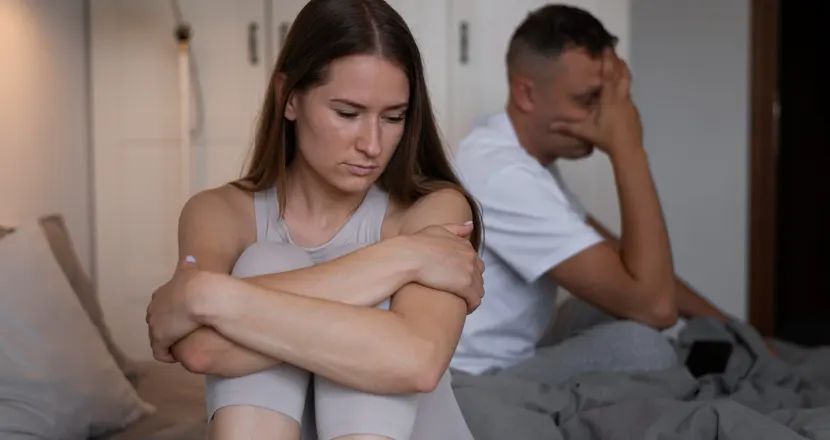
Libido thrives on emotional safety and connection. If there’s unresolved tension, lack of communication, or emotional distance, your desire can drop—even if you’re physically attracted to your partner.
Lack of Novelty
The brain craves variety and excitement. In long-term relationships, predictability can reduce stimulation, causing anticipation and excitement to fade.
Body Image and Self-Consciousness
Being physically exposed with a partner can trigger insecurities that don’t exist when you’re alone, leading to reduced confidence and difficulty relaxing.
Mismatch in Desire or Timing
Differences in frequency, timing, or emotional readiness can create pressure, which gradually reduces desire.
Psychological vs Physical Libido
In most cases, this issue is psychological rather than hormonal.
Signs it’s psychological:
- Strong desire when alone
- Inconsistent desire with a partner
- Situational arousal patterns
Physical libido issues usually show up as a consistent lack of desire in all situations.
How to Fix Libido Differences Between Solo and Partnered Situations
Reduce Performance Pressure
Shift your focus from performance to experience. Intimacy is about connection and sensation, not outcomes.
Rewire Your Arousal Patterns
Reduce high-intensity stimulation and allow your brain to reset to natural cues.
Improve Emotional Connection
Focus on communication, quality time, and resolving unresolved issues to rebuild intimacy.
Introduce Variety and Novelty
Try new experiences, change routines, and bring spontaneity into your relationship.
Work on Confidence and Body Image
Focus on comfort and self-acceptance rather than appearance or performance.
Communicate Openly With Your Partner
Discuss preferences, concerns, and comfort levels to reduce pressure and improve connection.
When Should You Be Concerned?
- The problem persists for months
- It causes significant relationship distress
- You experience anxiety or avoidance around intimacy
A therapist or counselor can help uncover deeper patterns and guide recovery.
Final Verdict
If your libido is fine alone but low with a partner, it doesn’t mean something is wrong with your body—it means something in your mental, emotional, or relational environment needs attention.
The good news is that this is highly fixable. By reducing pressure, improving connection, and retraining your brain’s response patterns, you can restore a healthy and consistent libido.








 This article changed my life!
 This article was informative.
 I have a medical question.
 This article contains incorrect information.
 This article doesn’t have the information I’m looking for.