Table of Contents
Introduction
Identifying prostate-related conditions begins with understanding symptoms and confirming their underlying cause. Since many prostate issues share similar signs—such as urinary changes or discomfort—accurate evaluation is essential before starting any treatment.
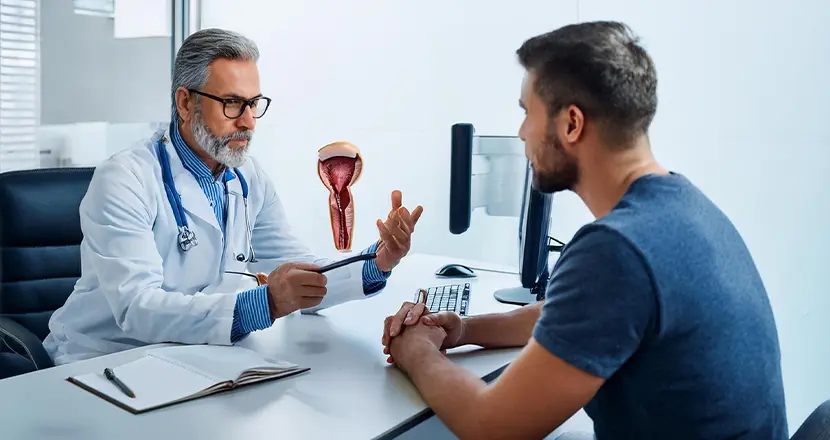
The process of prostate diagnosis typically involves a combination of medical history, physical examination, and diagnostic tests. These steps help doctors determine whether the issue is related to enlargement, inflammation, or another condition that requires attention.
Rather than relying on a single test, healthcare providers use a structured approach to ensure clarity and avoid unnecessary treatments.
Why Proper Diagnosis Is Important Before Treatment
Starting treatment without a clear diagnosis may lead to ineffective results or unnecessary interventions. Each prostate condition requires a specific approach, which makes accurate evaluation a critical first step.
A well-planned diagnosis helps:
- Identify the exact cause of symptoms
- Rule out serious conditions early
- Guide appropriate treatment decisions
- Prevent unnecessary procedures
- Monitor progression over time
Early and precise assessment improves outcomes and supports better long-term management.
Initial Evaluation: Understanding Symptoms and History
The diagnostic process often begins with a detailed discussion between the patient and doctor. This includes reviewing symptoms, medical history, and lifestyle factors that may influence prostate health.
Doctors may ask about urinary patterns, frequency, discomfort, and any changes noticed over time. This step provides valuable insight and helps determine which tests may be required next.
Common Tests Used to Diagnose Prostate Conditions
1. Physical Examination
A basic physical exam allows the doctor to assess the size and condition of the prostate. This is often one of the first steps in evaluation.
2. Urine and Blood Tests
Laboratory tests help detect signs of infection, inflammation, or other abnormalities. These tests also support further investigation if needed.
3. Imaging Techniques
Imaging methods provide a clearer view of the prostate and surrounding areas. They are useful in identifying structural changes or complications.
4. Specialized Diagnostic Procedures
In some cases, advanced tests may be recommended for a more detailed assessment. These are typically used when initial results require further clarification.
What Symptoms Usually Lead to a Diagnosis?
Many individuals seek medical evaluation after noticing changes in urinary function. While symptoms alone do not confirm a condition, they play an important role in guiding the diagnostic process.
Common Triggers for Evaluation
- Frequent urination, especially at night
- Difficulty starting or maintaining urine flow
- Weak or interrupted stream
- Feeling of incomplete bladder emptying
- Discomfort or pressure in the pelvic area
Persistent symptoms often indicate the need for further assessment.
How Long Does the Diagnostic Process Take?
The timeline for diagnosis can vary depending on the complexity of symptoms and the tests required. In some cases, initial evaluation and basic tests may provide answers quickly.
However, if additional testing is needed, the process may take longer to ensure accurate results. Doctors focus on thorough evaluation rather than speed to avoid misdiagnosis.
Is Prostate Testing Painful or Complicated?
Many individuals feel uncertain about undergoing prostate evaluation, but most diagnostic steps are simple and manageable. Basic tests and examinations are typically quick and involve minimal discomfort.
Advanced procedures, if required, are performed under proper medical guidance to ensure patient comfort and safety. Understanding the process can help reduce anxiety and encourage timely testing.
Role of Regular Screening in Early Detection
Routine screening plays an important role in identifying prostate changes before symptoms become severe. Regular check-ups allow doctors to monitor prostate health and detect any abnormalities early.
Screening is particularly important for individuals over a certain age or those with higher risk factors. Early detection often leads to more effective and less invasive treatment options.
Combining Diagnosis with Ongoing Monitoring
Diagnosis is not always a one-time process. In many cases, ongoing monitoring is required to track changes and adjust treatment if needed.
Doctors may recommend periodic tests or follow-up visits to ensure that the condition remains under control. This approach supports long-term prostate health and helps prevent complications.
Conclusion
The process of diagnosing prostate problems involves careful evaluation, appropriate testing, and a clear understanding of symptoms. Rather than relying on assumptions, structured medical assessment ensures accurate identification of the condition.
Early and precise prostate diagnosis allows for better treatment planning and improved outcomes. With regular monitoring and timely medical attention, individuals can manage prostate health effectively and maintain overall well-being.
FAQs
What is the first step in prostate diagnosis?
Are multiple tests required for diagnosis?
How long does it take to diagnose prostate problems?
Is prostate testing uncomfortable?
Can prostate problems be detected early?
Do all symptoms require medical diagnosis?


Lisa Davis has two decades of experience as a health educator and a broadcaster. She has worked as an in a variety of settings as a health educator in the realm of sex, HIV, and Hepatitis C as well as a personal trainer and health coach. With a master’s degree in public health, she is a creator, host, and producer of the syndicated It’s Your Health radio heard on regional NPR as well as host/producer of Talk Healthy Today by AIM Media (of Clean Eating, Vegetarian Times, and Better Nutrition magazines). She is host/producer of Naturally Savvy Radio heard online on RadioMD, iHeart Radio Talk, TuneIn, Stitcher, iTunes, UberRadio, and TalkStreamLive. In addition to her radio work, Lisa is an emotional support coach for both TelemedVip and on season 2 of the hit Docu-reality series Reversed on The Discovery Life Channel coming in Fall 2018. In addition to developing radio shows, Lisa has created, produced, and hosted health television shows. Her first show, Health Power was seen on KRUZ-TV in California. She was also a regular contributor to Carol Alt’s national health TV show on FOX News Channel A Healthy You Her book, Clean Eating, Dirty Sex: Sensual Superfoods and Aphrodisiac Practices for Ultimate Sexual Health comes out in January 2019. Her first book, Easy to Love but Hard to Live With: Real People, Invisible Disabilities, True Stories came out in 2014. Reach out to her through her Facebook.




 This article changed my life!
 This article was informative.
 I have a medical question.
 This article contains incorrect information.
 This article doesn’t have the information I’m looking for.