Table Of Contents
Introduction
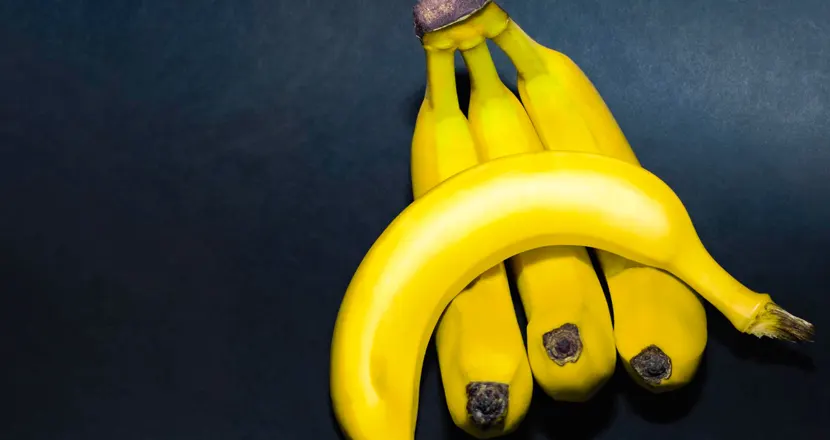
Bananas are one of the most widely consumed fruits in the world, known for their convenience, taste, and nutritional value. But for men over 40, a more specific question often comes up: can bananas help support testosterone levels? Testosterone plays a crucial role in maintaining muscle mass, energy, mood, libido, and overall vitality. As levels decline with age, dietary choices become increasingly important.
This guide explores the connection between banana consumption and testosterone, uncovers the common causes of low testosterone, and provides proven natural strategies to improve hormonal health.
Key Highlights
- Bananas contain nutrients that may support testosterone production indirectly
- Key compounds like bromelain, potassium, and vitamin B6 contribute to hormonal health
- Bananas alone won’t significantly boost testosterone without lifestyle changes
- Exercise, sleep, and stress management are more impactful than any single food
- Consistent habits can improve testosterone levels within weeks to months
Do Bananas Affect Testosterone Levels?
Potential Benefits of Bananas
- Bromelain, an enzyme linked to improved testosterone production
- Vitamin B6, which helps regulate hormones
- Potassium, which supports muscle function and reduces cortisol levels
- Natural carbohydrates that provide sustained energy for workouts
These nutrients contribute indirectly to a healthier hormonal environment.
Limitations to Consider
- They do not directly increase testosterone levels significantly
- Overreliance on fruit sugars without balanced nutrition can backfire
- Lack of protein and healthy fats means they must be combined with other foods
Bananas should be part of a balanced diet rather than the primary strategy.
Causes of Low Testosterone
Natural Aging Process
Testosterone levels begin to decline gradually after age 30, accelerating after 40.
Poor Nutrition
Diets lacking essential nutrients, healthy fats, and proteins can impair hormone production.
Physical Inactivity
A sedentary lifestyle is strongly associated with reduced testosterone levels.
Chronic Stress
High cortisol levels interfere with testosterone synthesis.
Inadequate Sleep
Sleep deprivation disrupts hormonal balance and recovery.
Excess Weight
Increased body fat contributes to the conversion of testosterone into estrogen.
Proven Natural Methods to Boost Testosterone
Exercise Consistently
- Focus on resistance and strength training
- Include high-intensity interval training (HIIT)
- Train 3–5 times per week for optimal results
Follow a Testosterone-Friendly Diet
- Include healthy fats like nuts, seeds, and olive oil
- Consume adequate protein for muscle maintenance
- Add zinc-rich foods such as legumes and shellfish
- Use bananas as a pre- or post-workout energy source
Improve Sleep Quality
- Aim for 7–8 hours of sleep per night
- Maintain a consistent bedtime routine
- Reduce caffeine intake in the evening
Manage Stress Effectively
- Practice meditation or mindfulness
- Spend time outdoors
- Reduce unnecessary workload
Maintain a Healthy Weight
- Focus on fat loss, especially around the abdomen
- Combine proper diet with regular exercise
Get Adequate Sunlight
- Spend 15–20 minutes in sunlight daily
- Consider supplements if necessary
Optimize Lifestyle Habits
- Limit alcohol consumption
- Avoid smoking
- Stay hydrated
- Eat whole, minimally processed foods
Timeline for Results
- 1–2 weeks: Increased energy and improved sleep
- 3–4 weeks: Better mood and slight libido improvement
- 6–8 weeks: Noticeable strength and stamina gains
- 3+ months: Significant hormonal and physical improvements
Individual results may vary depending on lifestyle and health conditions.
When to Seek Medical Help
Symptoms to Watch For
- Persistent fatigue
- Low libido
- Erectile dysfunction
- Loss of muscle mass
- Mood changes or depression
Medical Evaluation and Treatment
- Blood tests to measure testosterone levels
- Hormonal therapy if necessary
- Treatment of underlying health issues
Timely intervention can significantly improve quality of life.
Final Verdict
Bananas are a convenient and nutrient-rich fruit that can indirectly support testosterone levels. Their content of vitamin B6, potassium, and natural sugars helps improve energy, reduce stress, and support metabolic function—all of which contribute to healthy hormone balance. However, bananas alone won’t significantly boost testosterone. They are best viewed as a supportive food within a well-rounded diet focused on overall hormonal health.





 This article changed my life!
 This article was informative.
 I have a medical question.
 This article contains incorrect information.
 This article doesn’t have the information I’m looking for.