Table Of Contents
Introduction
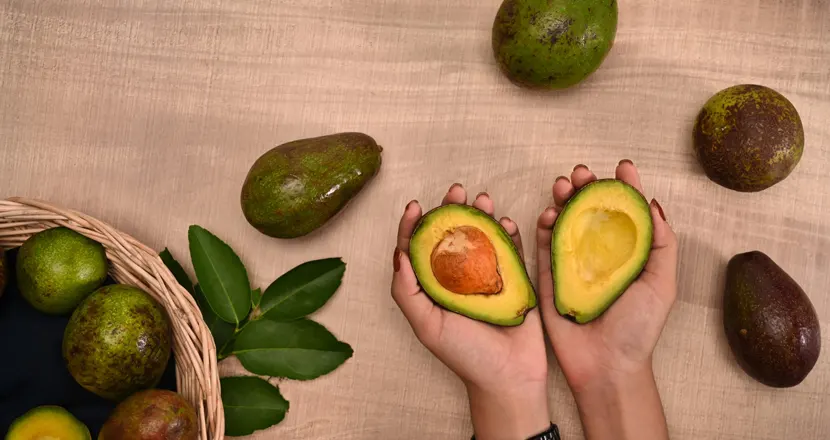
Avocados have gained immense popularity as a superfood due to their rich nutrient profile and heart-healthy fats. For men over 40, an important question arises: can avocados help support testosterone levels? Testosterone is essential for maintaining muscle mass, strength, libido, mood, and overall vitality. As natural testosterone levels decline with age, diet becomes a critical factor in maintaining hormonal balance.
This article explores the relationship between avocado consumption and testosterone, explains the causes of low testosterone, and outlines proven natural methods to support healthy hormone levels.
Key Highlights
- Avocados are rich in healthy fats that support testosterone production
- They contain key nutrients like vitamin E, magnesium, and potassium
- Healthy fat intake is essential for hormonal balance after age 40
- Avocados support overall metabolic health, indirectly benefiting testosterone
- Lifestyle factors have a greater impact than any single food
Do Avocados Affect Testosterone Levels?
Nutritional Benefits for Testosterone
- Monounsaturated fats that are essential for testosterone synthesis
- Vitamin E, which supports endocrine function
- Magnesium, linked to improved testosterone levels
- Potassium, which helps regulate stress hormones
These nutrients create an environment that supports optimal hormone production.
Why Healthy Fats Matter
- Supports cholesterol production, a precursor to testosterone
- Helps maintain cell membrane health
- Improves absorption of fat-soluble vitamins
Including avocados in your diet is a practical way to increase healthy fat intake.
Causes of Low Testosterone
Age-Related Hormonal Decline
Testosterone levels naturally decrease with age, especially after 40.
Poor Dietary Habits
Low intake of healthy fats and essential nutrients negatively affects hormone production.
Lack of Physical Activity
A sedentary lifestyle contributes to declining testosterone levels.
Chronic Stress
Elevated cortisol levels suppress testosterone production.
Sleep Deprivation
Inadequate sleep disrupts hormonal balance.
Excess Body Fat
Higher fat levels increase estrogen conversion and lower testosterone.
Proven Natural Methods to Boost Testosterone
Engage in Regular Exercise
- Focus on resistance training and compound movements
- Incorporate high-intensity workouts
- Maintain consistency with 3–5 sessions per week
Follow a Balanced Diet
- Include healthy fats from avocados, nuts, and olive oil
- Consume adequate protein for muscle maintenance
- Add micronutrient-rich foods like leafy greens
- Avoid processed and high-sugar foods
Prioritize Quality Sleep
- Aim for 7–8 hours of uninterrupted sleep
- Maintain a consistent sleep routine
- Avoid late-night screen exposure
Reduce Stress Levels
- Practice relaxation techniques such as meditation
- Spend time in nature
- Maintain work-life balance
Maintain a Healthy Weight
- Focus on reducing abdominal fat
- Combine exercise with a healthy diet
Get Adequate Sunlight
- Spend 15–20 minutes outdoors daily
- Supplement if needed under guidance
Improve Lifestyle Choices
- Limit alcohol intake
- Avoid smoking
- Stay hydrated
- Eat whole, nutrient-dense foods
Timeline for Results
- 1–2 weeks: Better energy levels and improved sleep
- 3–4 weeks: Mood enhancement and slight libido improvement
- 6–8 weeks: Increased strength and endurance
- 3+ months: Noticeable hormonal and physical improvements
Results depend on individual health and adherence to lifestyle changes.
When to Seek Medical Help
Symptoms of Low Testosterone
- Persistent fatigue
- Reduced libido
- Erectile dysfunction
- Muscle loss
- Mood swings or depression
Medical Interventions
- Blood tests to assess hormone levels
- Testosterone replacement therapy if necessary
- Treatment for underlying medical conditions
Early diagnosis ensures better outcomes and improved quality of life.
Final Verdict
Avocados are one of the more beneficial foods for supporting testosterone naturally. Rich in healthy monounsaturated fats, vitamin E, and magnesium, they play a key role in hormone production and reducing inflammation. Regular but moderate consumption can contribute positively to testosterone levels when combined with a nutrient-dense diet and healthy lifestyle. While not a magic solution, avocados are a strong dietary ally for hormonal health.







 This article changed my life!
 This article was informative.
 I have a medical question.
 This article contains incorrect information.
 This article doesn’t have the information I’m looking for.