Table Of Contents
Introduction
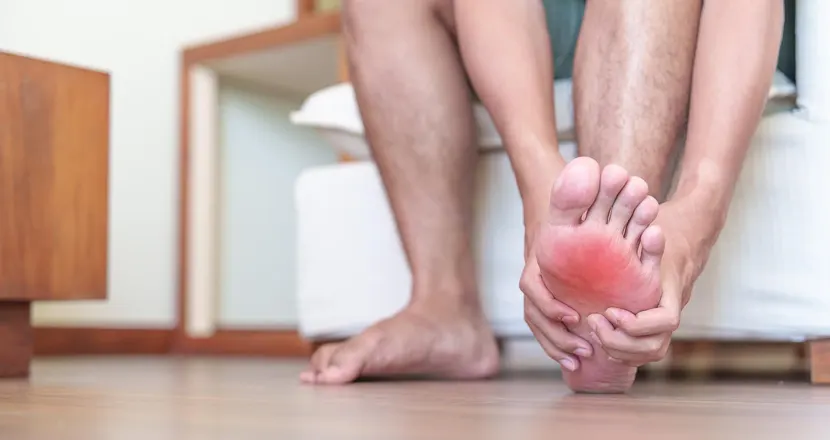
Numbness and tingling are common sensations that many men experience at some point. Often described as a “pins and needles” feeling, these symptoms can occur in the hands, feet, arms, or legs. While occasional episodes may not be serious, frequent or persistent numbness and tingling can signal an underlying issue with blood flow or nerve function.
As the body ages, circulation can slow down, and nerve sensitivity may decline. Conditions like poor blood flow, diabetes, or prolonged sitting can contribute to these sensations. Understanding the root cause is essential for preventing long-term complications and improving overall health.
The good news is that in many cases, numbness and tingling can be improved naturally with the right lifestyle changes and early action.
Key Highlights
- Numbness and tingling often result from poor blood circulation or nerve compression
- Common causes include prolonged sitting, diabetes, and vitamin deficiencies
- Symptoms may affect hands, feet, legs, or arms
- Improving blood flow and nerve health can reduce symptoms naturally
- Persistent symptoms may require medical evaluation
What Are Numbness and Tingling?
Numbness refers to a loss of sensation in a specific area, while tingling is a prickling or “pins and needles” feeling. These sensations usually occur when nerves are irritated, compressed, or not receiving enough blood supply.
Healthy nerves rely on consistent blood flow to function properly. When circulation is reduced, oxygen and nutrients do not reach nerve tissues effectively, leading to temporary or chronic sensations.
Although these symptoms may seem minor, they can be early indicators of more serious health issues related to circulation or nerve damage.
Causes of Numbness and Tingling
There are several reasons why numbness and tingling occur, especially in men over 40. Identifying the cause is the first step toward effective treatment.
Poor Blood Circulation
Reduced blood flow is one of the most common causes. When circulation is limited, nerves do not receive enough oxygen, leading to tingling sensations.
Nerve Compression
Sitting or lying in one position for too long can compress nerves, especially in the legs or arms, causing temporary numbness.
Diabetes and Nerve Damage
High blood sugar levels can damage nerves over time, a condition known as neuropathy, which often causes persistent tingling in the feet and hands.
Vitamin Deficiencies
Low levels of vitamins such as B12 can affect nerve health and lead to numbness.
Sedentary Lifestyle
Lack of movement reduces blood flow and increases the likelihood of nerve compression and poor circulation.
Alcohol and Smoking
Both can damage nerves and impair circulation, increasing the risk of these symptoms.
Common Symptoms Associated with Numbness and Tingling
Symptoms may vary depending on the underlying cause and severity.
- Pins and needles sensation
- Loss of feeling in hands or feet
- Burning or sharp sensations
- Muscle weakness
- Sensation of coldness in affected areas
- Difficulty maintaining balance
If these symptoms occur frequently or worsen, they should not be ignored.
Proven Natural Methods to Improve Numbness and Tingling
Improving circulation and nerve health is key to reducing these symptoms. The following methods are effective and sustainable.
Regular Movement and Exercise
Physical activity improves blood flow and reduces pressure on nerves.
- Walk for at least 30 minutes daily
- Stretch regularly, especially after sitting
- Engage in light strength training
Even simple movement can quickly restore normal sensation.
Improve Blood Flow Through Diet
A balanced diet supports both circulation and nerve function.
- Eat leafy greens and vegetables
- Include foods rich in vitamin B12
- Consume healthy fats like omega-3s
- Stay hydrated throughout the day
Avoid processed foods and excessive sugar intake.
Optimize Sleep and Posture
Poor posture during sleep can compress nerves. Ensure proper sleeping positions and a supportive mattress.
Quality sleep also helps repair nerves and improve circulation.
Manage Stress Levels
Stress can reduce blood flow and increase muscle tension, worsening symptoms.
- Practice relaxation techniques
- Try deep breathing exercises
- Take regular breaks during the day
Maintain Healthy Weight
Excess weight increases pressure on nerves and reduces circulation. Maintaining a healthy weight improves overall nerve health.
Sunlight and Vitamin Support
Sunlight helps with vitamin D production, while essential vitamins like B12 support nerve function.
Lifestyle Adjustments
Daily habits can make a significant difference in reducing symptoms.
- Avoid sitting for long periods
- Quit smoking
- Limit alcohol consumption
- Stretch frequently
Timeline for Improvement
The time required to reduce numbness and tingling depends on the cause and consistency of lifestyle changes.
- 1–2 weeks: Reduced frequency of tingling
- 3–4 weeks: Improved circulation and nerve response
- 6–8 weeks: Noticeable reduction in symptoms
Persistent cases may take longer and require medical attention.
When to Seek Medical Help
While occasional numbness may not be serious, certain symptoms require immediate attention.
Seek medical help if you experience:
- Persistent or worsening numbness
- Severe pain or weakness
- Sudden onset of symptoms
- Difficulty walking or balancing
- Loss of bladder or bowel control
These may indicate serious nerve or neurological conditions.
Conclusion
Numbness and tingling are often early warning signs of poor circulation or nerve issues, especially in men over 40. While occasional sensations may not be harmful, frequent symptoms should not be ignored.
By improving blood flow, maintaining a healthy lifestyle, and addressing underlying causes, you can significantly reduce these sensations and improve overall well-being.
Taking action early helps prevent long-term complications and ensures better nerve and vascular health.








 This article changed my life!
 This article was informative.
 I have a medical question.
 This article contains incorrect information.
 This article doesn’t have the information I’m looking for.