Table Of Contents
Introduction
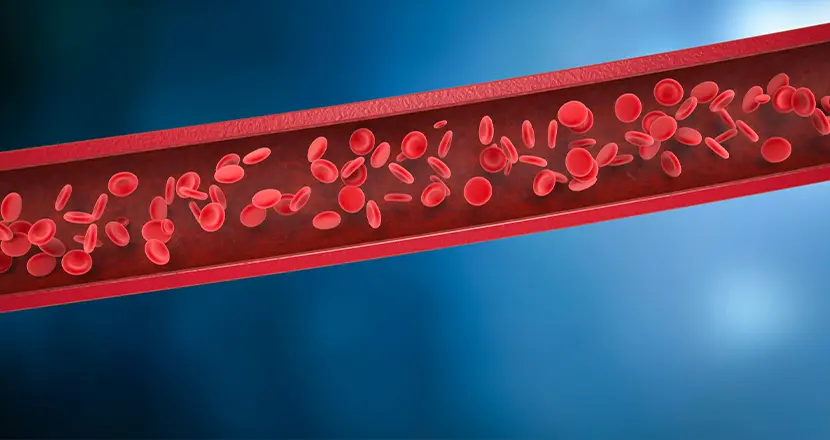
L-arginine is an amino acid that has gained significant attention for its role in supporting circulation and overall vascular health. When discussing l arginine blood flow, the focus is mainly on how this compound helps the body produce nitric oxide, a molecule that relaxes blood vessels and improves the movement of blood throughout the body.
Unlike quick-acting solutions, L-arginine works gradually by supporting internal biological processes. Its impact is closely tied to how efficiently the body converts it into nitric oxide and how well the circulatory system responds. Because of this, it is often considered as part of a broader approach to maintaining healthy blood flow rather than a standalone fix.
Key Highlights
- L-arginine supports blood flow by boosting nitric oxide production
- Improved nitric oxide helps relax and widen blood vessels
- It may contribute to better circulation and vascular function
- Benefits depend on diet, lifestyle, and overall health
- Works best when combined with exercise and healthy habits
- Not a standalone solution but part of a holistic approach to circulation
What Makes L-Arginine Important for Circulation?
L-arginine plays a key role in vascular function due to its involvement in nitric oxide synthesis. Nitric oxide signals blood vessels to relax and widen, which improves circulation and reduces resistance in the bloodstream.
This process is especially important for maintaining steady blood flow across various organs and tissues. When circulation is functioning well, the body can deliver oxygen and nutrients more efficiently, supporting energy levels, physical performance, and overall health.
How Does L-Arginine Work in the Body?
Once consumed, L-arginine is absorbed and used by enzymes in the body to produce nitric oxide. This biochemical reaction is central to its role in circulation.
As nitric oxide levels increase, blood vessels undergo vasodilation, allowing more blood to pass through. This mechanism is why L-arginine is often associated with improved blood flow, particularly in areas where circulation may be limited due to lifestyle or age-related factors.
What Factors Influence L-Arginine Blood Flow Benefits?
Age and Natural Production
As individuals age, the body’s ability to produce nitric oxide naturally tends to decline. This may influence how effectively L-arginine supports circulation.
Diet and Nutrient Intake
A diet lacking essential nutrients may limit the body’s ability to fully utilize L-arginine. Balanced nutrition supports better outcomes.
Lifestyle Habits
Regular physical activity, hydration, and stress management can enhance how the body responds to circulation-supporting nutrients.
What Are the Potential Benefits of Improved Blood Flow?
When l arginine blood flow is optimized through nitric oxide production, several physiological benefits may be observed. These are generally linked to improved circulation and vascular efficiency rather than direct stimulation.
Better blood flow can support physical endurance during activity, improve oxygen delivery to muscles, and contribute to faster recovery after exertion. Additionally, enhanced circulation may positively influence energy levels and overall vitality throughout the day.
How Can You Support Blood Flow Alongside L-Arginine?
While L-arginine contributes to nitric oxide production, its benefits are often enhanced when combined with healthy lifestyle practices. Blood flow is influenced by multiple factors, so a holistic approach is typically more effective.
Regular exercise is one of the most important ways to support circulation. Activities like walking, cycling, or strength training help stimulate blood vessel function. Maintaining a balanced diet rich in antioxidants and staying hydrated can also contribute to better vascular health.
Which Foods Contain L-Arginine Naturally?
L-arginine is present in a variety of protein-rich foods, making it possible to obtain it through a balanced diet. Including these foods can help maintain consistent levels of this amino acid in the body.
- Nuts and seeds such as walnuts and almonds
- Poultry like chicken and turkey
- Fish and seafood
- Dairy products
- Legumes including lentils and chickpeas
A diet that includes these sources may complement supplementation and support natural circulation processes.
How Can You Maximize L-Arginine Blood Flow Benefits?
To get the most out of L-arginine, it is important to combine it with healthy lifestyle practices. Supplements alone are not enough to maintain optimal circulation.
Regular physical activity helps stimulate nitric oxide production naturally. A diet rich in fruits, vegetables, and antioxidants supports vascular health. Staying hydrated and managing stress also contribute to better blood flow.
Are There Limitations to L-Arginine Supplementation?
Although L-arginine is widely used for circulation support, its effects may not be equally strong for everyone. The body’s ability to convert it into nitric oxide can vary, and in some cases, other compounds like L-citrulline may be more efficient.
Additionally, individual health conditions, medication use, and metabolic differences can influence results. This is why L-arginine is typically considered part of a broader wellness strategy rather than a standalone solution.
When Should You Consider Professional Advice?
If you are considering L-arginine for circulation support, especially for ongoing concerns related to blood flow, it may be helpful to seek professional guidance. This ensures that supplementation aligns with your health status and any existing conditions.
Consult a healthcare provider if:
- You have cardiovascular or metabolic conditions
- You are taking medications that affect blood pressure
- You experience unusual symptoms after use
A personalized approach helps ensure both safety and effectiveness.
Conclusion:
L-arginine plays an important role in supporting blood flow by contributing to nitric oxide production, which helps blood vessels relax and improve circulation. Its relevance in l arginine blood flow discussions comes from this natural mechanism, which supports overall vascular function.
While it may offer benefits, its effectiveness depends on consistent use, lifestyle habits, and individual health factors. Combining L-arginine with proper nutrition, regular physical activity, and healthy routines creates a stronger foundation for maintaining optimal blood circulation and overall well-being.





 This article changed my life!
 This article was informative.
 I have a medical question.
 This article contains incorrect information.
 This article doesn’t have the information I’m looking for.