Table Of Contents
Introduction
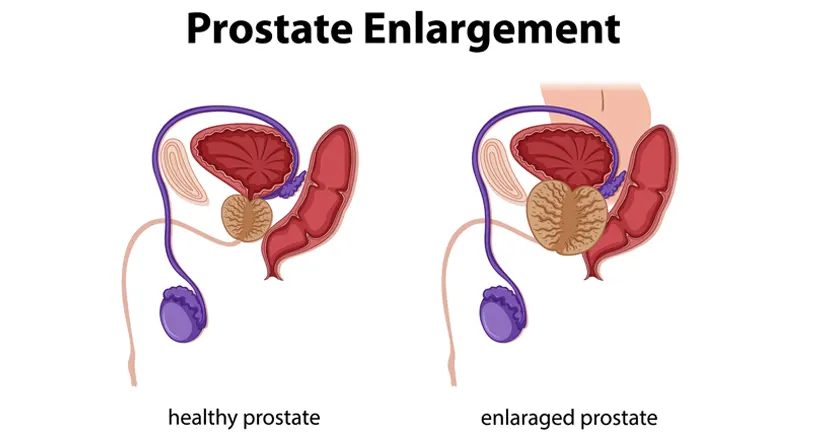
An enlarged prostate, medically known as benign prostatic hyperplasia (BPH), is a common age-related condition that affects millions of men worldwide. The prostate gland naturally grows larger over time, especially after the age of 40. As the gland enlarges, it can place pressure on the urethra and disrupt normal urinary function.
One of the major factors linked to prostate enlargement is dihydrotestosterone (DHT), a powerful male hormone derived from testosterone. DHT plays an important role in male growth and reproductive development, but elevated or prolonged DHT activity within the prostate may contribute to excessive prostate tissue growth.
Understanding the connection between DHT and prostate enlargement can help men recognize symptoms early and explore lifestyle habits, medical treatments, and preventive strategies that support long-term prostate health.
Key Highlights
- DHT is a primary driver of prostate enlargement
- BPH risk increases significantly after age 40
- Symptoms mainly affect urinary function
- Lifestyle habits can support prostate health
- Medical treatments often target DHT production
What Is an Enlarged Prostate (BPH)?
The prostate is a small gland located below the bladder and surrounding the urethra, the tube that carries urine out of the body. Its primary function is to produce fluid that nourishes and transports sperm.
As men age, the prostate often begins to enlarge. When this growth is non-cancerous, the condition is called benign prostatic hyperplasia (BPH). Although BPH is not prostate cancer, it can still cause uncomfortable urinary symptoms by narrowing the urethra and restricting urine flow.
Common symptoms of BPH may include:
- Frequent urination
- Difficulty starting urination
- Weak urine stream
- Dribbling after urination
- Increased nighttime urination
- Feeling that the bladder is not fully empty
What Is DHT (Dihydrotestosterone)?
Dihydrotestosterone (DHT) is a hormone produced when testosterone is converted by an enzyme called 5-alpha reductase. This conversion mainly occurs in tissues such as the prostate, skin, liver, and hair follicles.
DHT is more potent than testosterone and has a strong influence on male characteristics and tissue growth. During puberty, DHT helps support the development of male reproductive organs, body hair growth, and other masculine traits.
However, excessive DHT activity later in life is believed to contribute to conditions such as prostate enlargement and male pattern hair loss.
How DHT Causes Prostate Enlargement
DHT binds to receptors in prostate cells and stimulates cellular growth. While this process is important during early development, continued exposure to DHT over many years may cause the prostate gland to enlarge gradually.
Research suggests that DHT can accumulate within prostate tissue even when overall testosterone levels decline with age. This ongoing hormonal stimulation may increase prostate cell production and reduce normal cell breakdown, leading to enlargement over time.
As the prostate grows larger, it can compress the urethra and interfere with healthy urinary function, resulting in the common symptoms associated with BPH.
DHT contributes to prostate growth by:
- Binding to androgen receptors in prostate cells
- Stimulating cell division and tissue expansion
- Maintaining growth signals even as testosterone declines
Because DHT remains active in prostate tissue, it continues to promote enlargement over time.
Why DHT Remains Active in the Prostate
One reason prostate enlargement is so common is that DHT remains active inside the prostate even as overall hormone levels change with age.
This happens due to:
- Local conversion of testosterone into DHT within prostate tissue
- Increased activity of the 5-alpha reductase enzyme
- Age-related hormonal imbalance
This localized production allows DHT to continue influencing prostate growth throughout life.
Other Causes of an Enlarged Prostate
Although DHT plays a central role, prostate enlargement is influenced by several additional factors that affect overall health and hormone balance.
Common contributing factors include:
- Aging: The strongest risk factor for BPH
- Hormonal imbalance: Changes in testosterone and estrogen levels
- Chronic inflammation: Long-term irritation in prostate tissue
- Metabolic health: Obesity, poor diet, and insulin resistance
- Genetics: Family history of prostate conditions
These factors often interact and accelerate the enlargement process.
Symptoms of an Enlarged Prostate
As the prostate enlarges, it can compress the urethra and disrupt normal urinary function. Symptoms usually appear gradually and may worsen over time.
Common symptoms include:
- Frequent urination
- Nighttime urination (nocturia)
- Weak or slow urine stream
- Difficulty starting urination
- Feeling of incomplete bladder emptying
- Sudden urgency to urinate
The severity of symptoms varies and does not always directly match prostate size.
These early symptoms of benign prostatic hyperplasia (BPH) and may worsen as the prostate continues to enlarge.
How to Support Prostate Health and Balance DHT Naturally
Maintaining overall health may help support hormonal balance and prostate function.
Nutrition support:
- Zinc-rich foods such as seeds and nuts
- Omega-3 fatty acids from fish or plant sources
- Antioxidant-rich fruits and vegetables
Natural compounds:
- Saw palmetto
- Pumpkin seed extract
- Stinging nettle root
Lifestyle habits:
- Regular physical activity
- Maintaining a healthy body weight
- Reducing processed foods
- Managing stress effectively
These approaches focus on long-term health and may help support normal prostate function
Medical Treatments That Target DHT
For individuals with moderate to severe symptoms, medical treatment may be required to manage prostate enlargement.
Common treatment options include:
- 5-alpha reductase inhibitors: Reduce DHT production
- Alpha-blockers: Relax prostate muscles to improve urine flow
- Combination therapy: Used when symptoms are more advanced
Treatment is typically based on symptom severity and medical evaluation.
Can Lowering DHT Affect the Body?
DHT is involved in several important functions beyond prostate health. Because of this, reducing DHT levels may have broader effects on the body.
DHT is linked to:
- Development of male physical characteristics
- Hair growth patterns
- Sexual health and libido
Any changes to DHT levels, especially through medication, should be considered carefully.
When to See a Doctor
While mild symptoms may be manageable, certain situations require medical attention to prevent complications.
Seek medical advice if:
- Symptoms interfere with daily life
- Urination becomes painful or difficult
- Blood appears in urine
- You are unable to urinate
Early diagnosis helps ensure appropriate treatment and better outcomes.
Frequently Asked Questions
Q. What is the main cause of an enlarged prostate?
Q. What is DHT and how does it affect the prostate?
Q. Can high DHT cause prostate problems even with normal testosterone levels?
Q. Does DHT increase with age?
Q. What are the early signs of prostate enlargement?
Q. Can lifestyle changes help manage prostate enlargement?
Q. Can prostate enlargement be prevented?
Q. What medications are used to reduce DHT levels?
Q. When should I see a doctor for prostate symptoms?


Lisa Davis has two decades of experience as a health educator and a broadcaster. She has worked as an in a variety of settings as a health educator in the realm of sex, HIV, and Hepatitis C as well as a personal trainer and health coach. With a master’s degree in public health, she is a creator, host, and producer of the syndicated It’s Your Health radio heard on regional NPR as well as host/producer of Talk Healthy Today by AIM Media (of Clean Eating, Vegetarian Times, and Better Nutrition magazines). She is host/producer of Naturally Savvy Radio heard online on RadioMD, iHeart Radio Talk, TuneIn, Stitcher, iTunes, UberRadio, and TalkStreamLive. In addition to her radio work, Lisa is an emotional support coach for both TelemedVip and on season 2 of the hit Docu-reality series Reversed on The Discovery Life Channel coming in Fall 2018. In addition to developing radio shows, Lisa has created, produced, and hosted health television shows. Her first show, Health Power was seen on KRUZ-TV in California. She was also a regular contributor to Carol Alt’s national health TV show on FOX News Channel A Healthy You Her book, Clean Eating, Dirty Sex: Sensual Superfoods and Aphrodisiac Practices for Ultimate Sexual Health comes out in January 2019. Her first book, Easy to Love but Hard to Live With: Real People, Invisible Disabilities, True Stories came out in 2014. Reach out to her through her Facebook.




 This article changed my life!
 This article was informative.
 I have a medical question.
 This article contains incorrect information.
 This article doesn’t have the information I’m looking for.