Table Of Contents
Introduction
The health of the prostate is closely linked to a man’s hormonal balance. Proper interaction between hormones and the prostate regulates growth, function, and overall gland wellness. Disruptions in this balance can lead to benign enlargement, inflammation, or urinary and reproductive issues. Understanding hormonal influence empowers men to adopt preventive measures and lifestyle habits to maintain prostate function over time.
Key Highlights
- Testosterone & DHT: Regulate prostate cell growth; imbalance may cause enlargement
- Estrogen in Men: Small amounts influence tissue growth and hormone balance
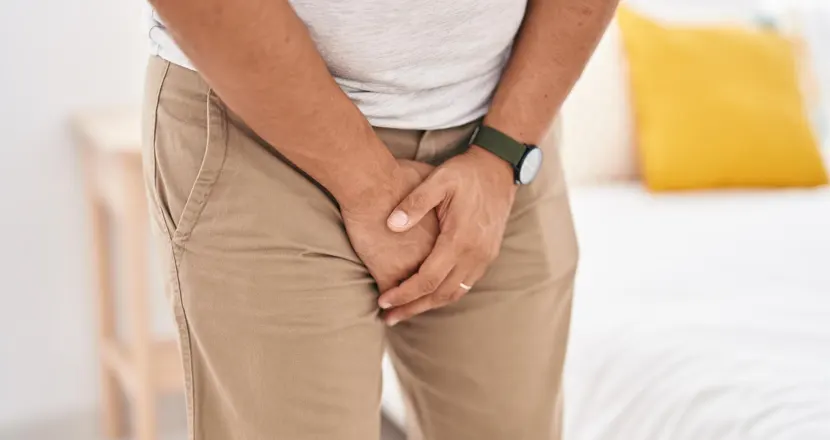
- Hormonal Imbalance Symptoms: Weak urine flow, nocturia, reduced libido, pelvic discomfort
- Lifestyle Support: Exercise, diet, weight control, stress management, and sleep maintain hormone-prostate balance
- Medical Management: Medications, hormone therapy, and regular screening help manage hormone-related prostate issues
Key Hormones That Influence Prostate Health
The prostate is highly sensitive to hormonal changes. Proper functioning depends on a balance between androgens, estrogens, and other hormones.
- Testosterone: Essential for normal prostate growth and cell function
- Dihydrotestosterone (DHT): Potent testosterone derivative regulating prostate cell proliferation
- Estrogen: Small amounts in men influence prostate tissue growth
- Progesterone: Helps maintain hormone balance and counteracts excess DHT effects
Disruption in these hormone levels can lead to enlargement or other dysfunctions over time.
How Hormonal Imbalance Impacts Prostate Function
As men age, natural shifts in hormone balance may cause issues. Testosterone gradually declines, but DHT activity often remains high, promoting tissue growth. Relative estrogen increases can further stimulate prostate cell proliferation, raising the risk of benign prostatic hyperplasia (BPH). Hormone-related prostate issues are thus more common in men over 50.
Signs Hormones May Be Affecting the Prostate
Hormonal disruption can subtly affect urinary and sexual health. Early recognition helps manage issues before they worsen.
- Frequent nighttime urination (nocturia)
- Weak or interrupted urine stream
- Difficulty starting or stopping urination
- Reduced sexual desire or erectile function
- Mild pelvic discomfort
Lifestyle Factors Supporting Hormone-Prostate Balance
Maintaining hormone-prostate balance is not only about medical intervention; lifestyle choices play a major role.
- Exercise Regularly: Boosts testosterone, reduces inflammation, and supports prostate function
- Balanced Diet: Lean proteins, healthy fats, fruits, and vegetables aid hormone regulation
- Manage Stress: Prevents cortisol spikes that disrupt testosterone levels
- Healthy Weight: Reduces excess estrogen from fat tissue
- Adequate Sleep: Supports hormone production and tissue repair
Medical Approaches for Hormone-Related Prostate Issues
- Medications for BPH: Alpha-blockers and 5-alpha-reductase inhibitors reduce DHT activity
- Hormone Therapy: Adjusts testosterone and estrogen levels to prevent tissue overgrowth
- Regular Screening: PSA testing and prostate exams detect early signs of complications
Common Misconceptions About Hormones and the Prostate
- Myth: High testosterone always damages the prostate. Fact: Balanced testosterone is beneficial; excessive DHT is more concerning.
- Myth: Estrogen is only important for women. Fact: Even small amounts in men influence prostate tissue growth.
- Myth: Hormonal changes are unavoidable. Fact: Lifestyle, diet, and medical care can significantly support hormone balance.
Final Thoughts
The connection between hormones and prostate health is essential for male wellness. Testosterone, DHT, estrogen, and progesterone regulate growth, function, and disease risk. Proactive management through lifestyle adjustments, symptom monitoring, and regular medical check-ups ensures long-term prostate wellness and prevents age-related complications.





 This article changed my life!
 This article was informative.
 I have a medical question.
 This article contains incorrect information.
 This article doesn’t have the information I’m looking for.