Table Of Contents
Introduction
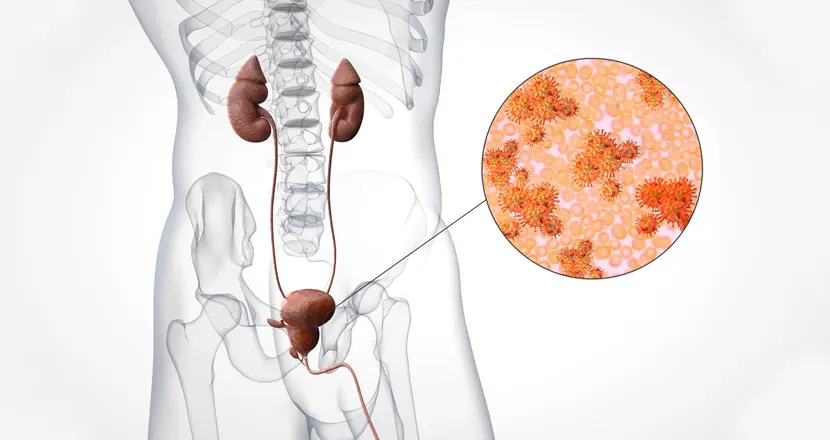
A prostate infection, also known as prostatitis, occurs when bacteria invade the prostate gland, triggering inflammation, discomfort, and urinary problems. While the condition is common, its severity can vary significantly between men. Some experience sudden, acute infections with high fever and severe pain, whereas others develop chronic infections that persist for months with mild but persistent symptoms.
Understanding prostate infection is essential not only to recognize early signs but also to implement preventive strategies and effective treatments. Early detection can reduce complications like chronic prostatitis, recurrent infections, and urinary obstruction, which can significantly impact quality of life.
Key Highlights
- Prostate infection is inflammation of the prostate.
- Caused by bacteria, STIs, poor hygiene, or weakened immunity.
- Early signs include painful urination, pelvic pain, and frequent urination.
- Lifestyle measures like hydration, hygiene, and exercise help prevention.
- Treatment includes antibiotics, pain management, and follow-up care.
Types of Prostate Infection
Prostate infections are not all the same. The type of infection influences symptoms, treatment, and long-term outcomes.
Acute Bacterial Prostatitis:
- Caused by bacteria entering the prostate, often from the urinary tract.
- Symptoms develop suddenly and include fever, chills, severe pelvic pain, and urinary difficulties.
Chronic Bacterial Prostatitis:
- Develops gradually or recurs after treatment.
- Symptoms may be mild but persistent, often including urinary discomfort and pelvic pain.
Chronic Pelvic Pain Syndrome (Non-Bacterial Prostatitis):
- No detectable bacteria; symptoms are believed to be due to inflammation, nerve irritation, or stress.
- May cause intermittent pelvic pain, urinary issues, and sexual discomfort.
Asymptomatic Inflammatory Prostatitis:
- Inflammation is detected via tests but produces no noticeable symptoms.
- Often discovered during evaluations for other conditions.
Recognizing the type of prostate infection helps determine the best treatment plan and reduces the risk of chronic complications.
Common Causes of Prostate Infection
- Urinary Tract Infections (UTIs): Bacteria from the bladder or urethra can travel to the prostate.
- Sexually Transmitted Infections (STIs): Pathogens such as gonorrhea and chlamydia can infect the prostate.
- Medical Procedures: Catheterization or surgery involving the urinary tract can introduce bacteria.
- Weakened Immune System: Chronic illness, diabetes, or immunosuppressive conditions increase susceptibility.
- Lifestyle Factors: Poor hygiene, sedentary habits, and high alcohol consumption may exacerbate infection risk.
It’s important for men to understand these causes, as prevention strategies often target these underlying factors.
Recognizing the Symptoms of Prostate Infection
Early recognition of prostate infection is crucial to prevent progression and chronic complications. Symptoms vary depending on the infection type:
- Painful or burning urination
- Frequent urination, especially at night (nocturia)
- Pelvic, lower back, or perineal discomfort
- Fever, chills, and malaise (more common in acute bacterial prostatitis)
- Painful ejaculation or sexual dysfunction
While mild symptoms may sometimes be overlooked, persistent discomfort warrants medical evaluation to rule out chronic infection or other prostate conditions.
Risk Factors for Prostate Infection
- Age: Men over 50 are more susceptible, but younger men can also be affected.
- Urinary Tract Abnormalities: Enlarged prostate, kidney stones, or urinary retention can predispose to infection.
- Sexual Activity: Unprotected sex increases the risk of STIs that may infect the prostate.
- Chronic Health Conditions: Diabetes, immunodeficiency, or other chronic illnesses weaken the immune system.
- Catheter Use: Prolonged catheterization increases bacterial exposure.
Understanding these risk factors allows men to take preventive measures and adopt healthier practices.
Lifestyle Measures to Prevent Prostate Infection
Lifestyle interventions can significantly reduce the likelihood and severity of prostate infection.
Practical Tips Include:
- Hydration: Drink plenty of water to flush bacteria from the urinary tract.
- Good Hygiene: Regular cleaning and safe sexual practices reduce bacterial transmission.
- Balanced Diet: Foods rich in antioxidants, lean protein, and healthy fats support immune function.
- Exercise: Regular physical activity improves circulation and reduces inflammation.
- Stress Management: Meditation, yoga, or relaxation techniques support overall immune health.
- Avoid Irritants: Limiting alcohol, caffeine, and spicy foods may reduce urinary irritation.
By combining these strategies with medical care, men can reduce the risk of both acute and chronic infections.
Medical Management of Prostate Infection
- Antibiotics: The primary treatment for bacterial infections. Acute cases may require 2–4 weeks, while chronic infections may need 4–12 weeks or longer.
- Pain Relief Medications: NSAIDs or other analgesics relieve discomfort.
- Alpha-Blockers: Relax bladder neck muscles to improve urine flow and reduce symptoms.
- Regular Monitoring: Follow-up tests ensure the infection is cleared and prevent recurrence.
- Surgery or Procedures (Rare Cases): For severe or complicated infections, intervention may be required.
Timely medical intervention prevents chronic prostatitis, recurrent infections, and potential urinary complications.
Common Misconceptions About Prostate Infection
- Myth: Only older men can get it. Fact: Men of all ages can develop infection, especially if risk factors are present.
- Myth: Mild symptoms don’t need treatment. Fact: Untreated infections can become chronic and harder to manage.
- Myth: All prostate infections are bacterial. Fact: Chronic non-bacterial inflammation is also common and requires management.
Long-Term Effects if Left Untreated
- Chronic prostatitis with persistent pelvic pain
- Recurrent urinary tract infections
- Urinary retention or bladder complications
- Sexual dysfunction
- Increased risk of prostate enlargement or secondary inflammation
Understanding these potential outcomes highlights the importance of early recognition, medical care, and preventive lifestyle habits.
Final Thoughts
Prostate infection is a common condition but can be effectively managed with awareness, preventive strategies, and timely treatment. Identifying symptoms early, maintaining good hygiene, practicing safe sex, and seeking medical attention when necessary reduces the risk of chronic infection and long-term complications.
Awareness of prostate infection empowers men to maintain urinary and reproductive health, supporting overall quality of life.





 This article changed my life!
 This article was informative.
 I have a medical question.
 This article contains incorrect information.
 This article doesn’t have the information I’m looking for.