Table Of Contents
Introduction
Modern lifestyles have made sitting the default position—whether at work, during travel, or even at home. While this shift may seem harmless, the impact of inactivity on sedentary prostate health is becoming increasingly evident.
The prostate relies on proper blood circulation, hormonal balance, and low inflammation to function optimally. When physical activity is limited, these systems begin to weaken. Over time, this can lead to urinary discomfort, inflammation, and even prostate enlargement.
Understanding how a lack of exercise contributes to prostate issues is the first step toward prevention and long-term wellness.
Key Highlights
- Physical inactivity contributes to sedentary prostate health issues.
- Poor circulation and inflammation increase prostate risks.
- Sedentary habits may worsen urinary symptoms and enlargement.
- Regular exercise supports hormone balance and prostate function.
- Active lifestyle changes reduce long-term prostate complications.
The Root Problem – What Happens When the Body Stays Inactive?
A sedentary lifestyle affects multiple systems in the body simultaneously. When movement is reduced, circulation slows, metabolism declines, and inflammation increases.
In terms of sedentary prostate health, inactivity triggers several key changes:
- Reduced blood flow to the pelvic region
- Increased fat accumulation and metabolic imbalance
- Hormonal disruptions, particularly in testosterone levels
- Build-up of inflammatory markers in the body
These changes may not cause immediate symptoms, but they gradually create conditions that negatively affect prostate health.
Why the Prostate Depends on Movement
Unlike organs that function independently of physical activity, the prostate is closely linked to circulation and muscle health in the pelvic region.
Regular movement helps:
- Deliver oxygen and nutrients to prostate tissues
- Remove toxins and metabolic waste
- Maintain hormonal equilibrium
- Support healthy pelvic muscle function
Without these benefits, the prostate becomes more vulnerable to dysfunction. This explains why sedentary prostate issues are more common in individuals with low activity levels.
Key Prostate Problems Linked to Lack of Exercise
- Benign Prostatic Hyperplasia (BPH) – Lack of exercise can lead to hormonal imbalance and weight gain, both of which are linked to prostate enlargement.
- Chronic Prostatitis – Poor circulation and inflammation may worsen symptoms such as pelvic pain and discomfort.
- Lower Urinary Tract Symptoms (LUTS) – Inactivity weakens pelvic muscles, leading to urinary urgency, frequency, and incomplete emptying.
- Metabolic Syndrome and Prostate Risk – Sedentary habits increase the risk of obesity and insulin resistance, which indirectly affect prostate health.
Warning Signs of Sedentary Prostate Issues
- Frequent urination, especially after long sitting periods
- Mild pelvic stiffness or discomfort
- Reduced urinary flow
- Feeling of incomplete bladder emptying
- Increased fatigue and low energy levels
If these symptoms appear alongside a sedentary routine, it may indicate emerging sedentary prostate concerns.
Breaking the Pattern – How Movement Restores Prostate Health
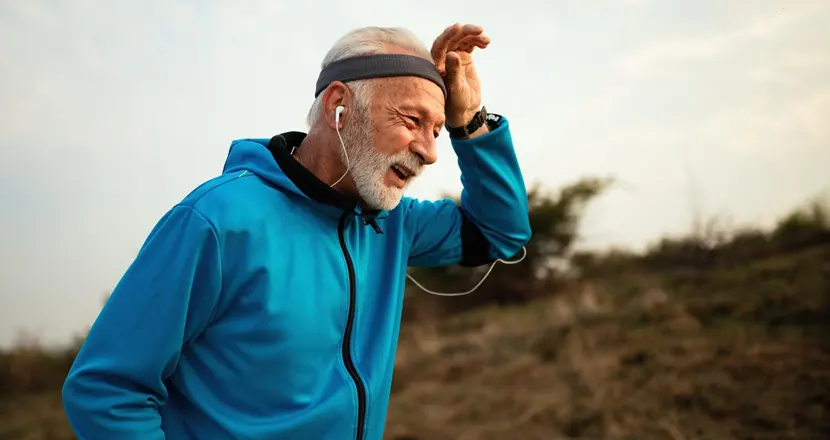
The good news is that the effects of inactivity can often be reversed with consistent lifestyle changes. Introducing regular movement helps restore balance in the body.
Types of Exercise That Benefit the Prostate
- Aerobic Activities: Walking, jogging, or cycling improve blood flow and reduce inflammation
- Strength Training: Supports hormone regulation and muscle health
- Pelvic Floor Exercises: Strengthen muscles that support bladder and prostate function
- Stretching & Mobility Work: Reduce pelvic tension and improve flexibility
Consistency is more important than intensity. Even moderate activity can significantly improve sedentary prostate health.
Simple Daily Habits to Stay Active
- Stand or walk for a few minutes every hour
- Take short walks after meals
- Use stairs instead of elevators when possible
- Incorporate stretching into daily routines
- Reduce screen time and sedentary leisure activities
These habits help break long periods of inactivity and support prostate function.
The Role of Diet in Supporting an Active Prostate
Exercise alone is not enough—nutrition plays a vital role in maintaining prostate health. A balanced diet can reduce inflammation and support hormonal balance.
- Anti-inflammatory Foods: Leafy greens, tomatoes, and berries
- Healthy Fats: Omega-3 fatty acids from fish and nuts
- Whole Grains: Support metabolic health and energy levels
- Zinc-Rich Foods: Essential for prostate function
- Hydration: Helps maintain urinary health and flush toxins
Combining proper nutrition with physical activity enhances recovery from sedentary prostate risks.
Common Myths About Exercise and Prostate Health
- “Only intense workouts matter” ? Moderate, consistent activity is enough to improve prostate health
- “Sitting all day is unavoidable” ? Small movement breaks can significantly reduce risks
- “Exercise won’t help existing prostate problems” ? Regular activity can improve symptoms and prevent progression
Long-Term Consequences of Ignoring Physical Inactivity
- Chronic inflammation in the prostate
- Increased severity of urinary symptoms
- Hormonal imbalance affecting overall health
- Higher risk of obesity-related prostate issues
These long-term effects make it essential to address inactivity early.
Final Thoughts
Lack of Exercise and Prostate health are closely connected. A sedentary lifestyle disrupts circulation, increases inflammation, and affects hormonal balance—all of which contribute to prostate problems.
The good news is that small, consistent changes—like regular movement, balanced nutrition, and improved daily habits—can significantly improve sedentary prostate health.
Taking action today doesn’t just prevent future complications—it enhances overall well-being and quality of life.





 This article changed my life!
 This article was informative.
 I have a medical question.
 This article contains incorrect information.
 This article doesn’t have the information I’m looking for.