Table Of Contents
Introduction
Fruits play a powerful role in supporting prostate health due to their rich content of vitamins, antioxidants, and plant-based compounds. Including the right fruits in your daily diet can help reduce inflammation, support cellular health, and promote overall prostate function.
Many fruits are naturally packed with nutrients that help protect the body from oxidative stress, which is a key factor affecting prostate health. A consistent intake of these nutrient-dense foods can contribute to long-term wellness and better internal balance.
In this guide, we’ll explore the most beneficial fruits for prostate health, how they work, and how to incorporate them into your daily routine.
Key Highlights
- Fruits provide antioxidants that support prostate cell health
- Natural compounds help reduce inflammation in the body
- Certain fruits support hormonal balance and immunity
- Regular intake supports long-term prostate wellness
- Consistency in diet delivers the best results
Why Fruits Are Important for Prostate Health
Fruits are an essential part of a balanced diet because they supply key nutrients that support overall health. For the prostate, fruits help combat oxidative stress, which can damage cells over time.
The antioxidants found in fruits neutralize free radicals, while vitamins and minerals support immune function and tissue repair. Many fruits also contain anti-inflammatory compounds that contribute to maintaining a healthy internal environment.
Including a variety of fruits in your diet ensures that your body receives a wide range of nutrients that work together to support prostate function.
Best Fruits to Support Prostate Health Naturally
Berries
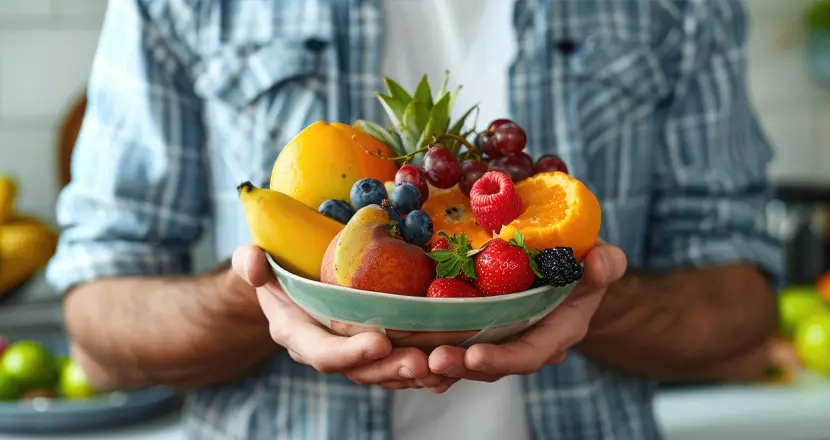
Berries such as blueberries, strawberries, and raspberries are among the most beneficial fruits for overall health. They are rich in antioxidants that help protect cells from damage. These compounds support cellular repair and contribute to maintaining a healthy prostate environment over time.
Pomegranate
Pomegranate is known for its high antioxidant content and potential to support cellular health. It contains powerful plant compounds that help reduce oxidative stress. Regular consumption of pomegranate, either as whole fruit or juice, can support long-term prostate wellness.
Watermelon
Watermelon contains lycopene, a powerful antioxidant also found in tomatoes. Lycopene plays a role in protecting cells and supporting overall health. Its high water content also helps maintain hydration, which is important for urinary function.
Citrus Fruits
Citrus fruits like oranges, lemons, and grapefruits are rich in vitamin C. This essential nutrient supports immune health and helps reduce inflammation. Vitamin C also contributes to tissue repair and overall cellular protection.
Apples
Apples are a good source of fiber and antioxidants. They support digestion and help maintain a balanced internal system. The compounds found in apples contribute to reducing oxidative stress and supporting long-term health.
Grapes
Grapes contain resveratrol, a plant compound known for its antioxidant properties. This compound supports cellular health and helps reduce inflammation. Including grapes in your diet can contribute to overall wellness and prostate support.
Avocados
Avocados are rich in healthy fats and essential nutrients. These nutrients support hormonal balance and overall metabolic health. Healthy fats play an important role in maintaining proper body function, including prostate health.
How Fruits Help Support Prostate Function
Fruits support prostate health through multiple mechanisms. Their antioxidant content helps protect cells, while vitamins and minerals support immune function and tissue repair. Many fruits also help reduce inflammation, which is a key factor in maintaining a healthy prostate. Over time, consistent consumption of these foods can contribute to improved overall health and function.
How to Add More Fruits to Your Daily Diet
Incorporating fruits into your daily routine does not require major changes. Small, consistent habits can make a significant difference.
- Add fresh fruits to breakfast meals
- Include fruits as snacks between meals
- Blend fruits into smoothies
- Pair fruits with other healthy foods
Lifestyle Habits That Support Prostate Health
Maintain a Balanced Diet
Combining fruits with vegetables, whole grains, and healthy fats creates a well-rounded diet that supports overall health.
Stay Physically Active
Regular movement supports metabolic health and complements dietary efforts.
Stay Hydrated
Adequate hydration supports urinary function and overall well-being.
Manage Stress
Reducing stress helps maintain hormonal balance and supports overall health.
Timeline: When to Expect Results
The benefits of adding fruits to your diet are not immediate but develop over time. In the early stages, improvements in energy and digestion may be noticed. With consistent dietary habits, long-term benefits such as improved overall wellness and better internal balance can be achieved.
When to Seek Medical Advice
While dietary improvements can support prostate health, certain symptoms require professional attention. If you experience persistent discomfort, urinary issues, or noticeable changes in normal function, it is important to consult a healthcare provider for proper evaluation.
Conclusion
Fruits are a natural and effective way to support prostate health through their rich nutrient profile. By including a variety of antioxidant-rich fruits such as berries, pomegranate, citrus fruits, and watermelon, you provide your body with essential compounds that help protect and maintain prostate function.
Consistency is key when it comes to dietary habits. Making fruits a regular part of your daily routine can contribute to long-term wellness and overall health. Combined with a balanced lifestyle, these simple choices can make a meaningful difference in supporting prostate health.





 This article changed my life!
 This article was informative.
 I have a medical question.
 This article contains incorrect information.
 This article doesn’t have the information I’m looking for.