Table Of Contents
Introduction
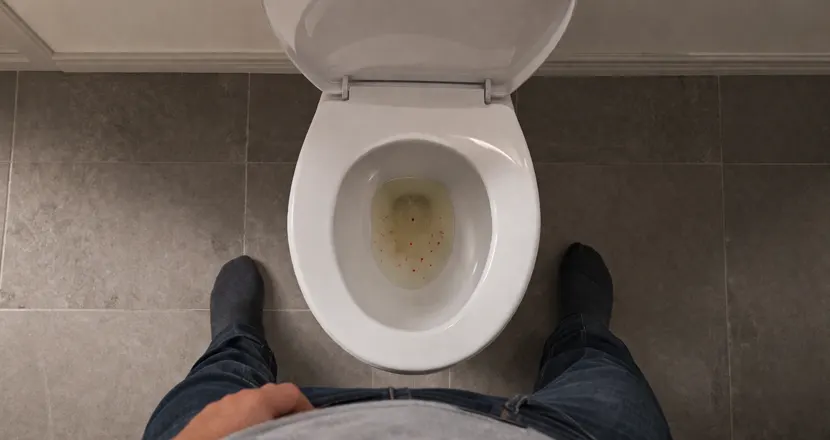
Noticing blood in urine can be alarming, and in many cases, blood in urine and prostate issues are closely connected, especially in men over 40. The prostate surrounds the urethra, so any enlargement, inflammation, or infection can affect urine flow and sometimes lead to bleeding.
In most cases, blood in urine—medically called Hematuria—is linked to conditions like prostate enlargement, infection, or urinary tract problems. While some causes are mild, others may require medical attention, making early diagnosis important for proper treatment.
Key Highlights
- Blood in urine and prostate conditions are often linked in men over 40
- Common causes include enlarged prostate, infection, and kidney stones
- Symptoms may include weak urine flow, pain, or frequent urination
- Early diagnosis helps rule out serious conditions
- Treatment depends on the underlying cause
What Does Blood in Urine Mean?
Blood in urine refers to the presence of red blood cells in urine, which may appear pink, red, or brown, or may only be detected in lab tests.
When discussing blood in urine and prostate health, the prostate gland plays a key role. Since it surrounds the urethra, any pressure, irritation, or inflammation in this area can disrupt urine flow and sometimes cause bleeding.
Causes of Blood in Urine and Prostate Issues
Enlarged Prostate (BPH)
Benign Prostatic Hyperplasia is a common condition in aging men. As the prostate enlarges, it presses against the urethra and may irritate nearby blood vessels.
This pressure can sometimes result in blood appearing in urine.
Prostatitis (Prostate Inflammation)
Prostatitis can cause swelling and irritation in the prostate gland. It may lead to urinary discomfort and occasional bleeding along with burning during urination, pelvic pain, and frequent urination.
Prostate Cancer
Prostate cancer may contribute to blood in urine in some cases, although it is not usually an early symptom. Other signs may include weak urine flow and difficulty emptying the bladder.
Urinary Tract Infection (UTI)
Urinary tract infection can irritate the urinary tract lining and lead to bleeding. Symptoms often include burning, urgency, and cloudy urine.
Kidney Stones
Kidney stones can scratch the urinary tract as they pass, causing visible blood in urine. This is usually accompanied by sharp pain in the back or side.
Bladder Irritation or Infection
Bladder inflammation can also contribute to blood in urine. It is often associated with pelvic pressure and frequent urination.
Symptoms Associated with Blood in Urine and Prostate
- Weak or slow urine stream
- Difficulty starting urination
- Frequent urination, especially at night
- Pain or burning sensation
- Pelvic discomfort
- Feeling of incomplete bladder emptying
How Blood in Urine and Prostate Issues Are Diagnosed
Urine Test (Urinalysis)
Confirms the presence of blood and checks for infection.
Prostate Examination
Helps evaluate prostate size and detect abnormalities.
PSA Blood Test
Used to assess prostate-related conditions prostate-related conditions.
Imaging Tests
Ultrasound, CT scan, or MRI may identify stones or structural issues.
Lifestyle Tips to Support Prostate Health
Stay Hydrated
Drinking enough water helps flush the urinary system and may reduce irritation. Proper hydration also supports better urine flow and overall kidney function.
Limit Bladder Irritants
Reducing caffeine, alcohol, and spicy foods can help prevent irritation of the urinary tract. This may improve symptoms like frequent urination and discomfort.
Maintain a Healthy Lifestyle
Regular exercise, a balanced diet, and maintaining a healthy weight support prostate function. These habits also improve blood flow and reduce the risk of urinary issues.
Conclusion
Blood in urine and prostate issues are often closely linked, especially in men over 40. While some causes are mild, others may require medical attention. Early diagnosis is key to identifying the underlying cause and starting effective treatment.
Ignoring symptoms or delaying medical evaluation may allow underlying conditions to worsen over time. Paying attention to urinary changes and seeking timely medical advice can significantly improve outcomes and long-term health.
Maintaining a healthy lifestyle, staying hydrated, and monitoring any unusual urinary symptoms can support better prostate and urinary health. Regular check-ups and early intervention play an important role in preventing complications and ensuring overall well-being.








 This article changed my life!
 This article was informative.
 I have a medical question.
 This article contains incorrect information.
 This article doesn’t have the information I’m looking for.