Table Of Contents
Introduction
Prostatitis is an inflammation of the prostate gland that can affect men of all ages, though it is most common in men under 50. The condition may develop due to bacterial infections, chronic inflammation, or pelvic muscle tension.
Prostatitis symptoms vary depending on the type — acute, chronic bacterial, or chronic non-bacterial — and often involve urinary discomfort, pelvic pain, and sexual symptoms. Recognizing these early signs helps men seek treatment promptly and reduce the risk of complications.
Understanding Prostatitis Symptoms
Symptoms of prostatitis can range from mild to severe and may appear suddenly or develop gradually over time.
Urinary symptoms are often the first signs, followed by pelvic discomfort and other systemic symptoms.
- Frequent urination, especially at night
- Urgent need to urinate
- Pain or burning during urination
- Difficulty starting or stopping urination
- Weak urine stream
Types of Prostatitis and Their Distinct Symptoms
Acute Bacterial Prostatitis
This type develops suddenly and often causes severe symptoms.
- High fever
- Chills
- Severe pelvic pain
- Painful urination
- Possible urinary retention
Chronic Bacterial Prostatitis
This form usually causes recurring urinary tract infections and ongoing discomfort.
- Repeated UTIs
- Intermittent pelvic pain
- Mild urinary symptoms
Chronic Non-Bacterial Prostatitis (CPPS)
This is one of the most common forms and often occurs without infection.
- Persistent pelvic pain
- Perineal discomfort
- Urinary irritation
- Stress-related flare-ups
Asymptomatic Inflammatory Prostatitis
This type usually has no noticeable symptoms and is often found during lab testing.
Symptoms in the Pelvic and Sexual Area
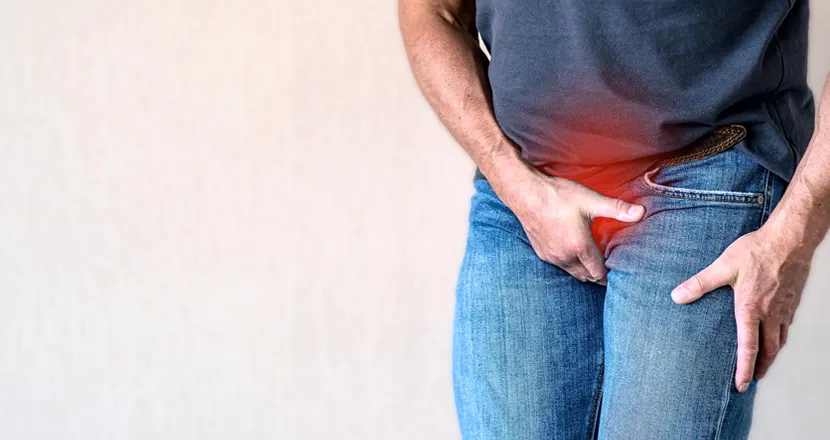
Prostatitis symptoms often extend beyond the urinary tract and may affect pelvic comfort and sexual health.
- Pain in the lower abdomen
- Discomfort in the perineum
- Lower back pain
- Pain during or after ejaculation
- Reduced libido
- Erectile discomfort in some cases
- Feeling of pelvic pressure or fullness
Wider Symptoms and Daily Life Impact
More severe forms, especially bacterial prostatitis, may affect the whole body.
- Fever and chills
- Fatigue
- Body weakness
- Sleep disruption due to nighttime urination
- Difficulty focusing at work
- Stress and anxiety
Chronic symptoms can significantly reduce quality of life if left untreated.
Lifestyle Factors That Influence Symptoms
Certain habits may worsen prostatitis symptoms and increase flare-ups.
- Prolonged sitting
- Lack of physical activity
- Dehydration
- Excess caffeine intake
- Alcohol consumption
- Spicy foods
- High stress levels
Helpful Strategies
- Exercise regularly
- Stretch pelvic muscles
- Stay hydrated
- Reduce caffeine and alcohol
- Practice yoga or meditation
When to Seek Medical Attention
Seek prompt medical care if you experience:
- High fever or chills
- Blood in urine
- Blood in semen
- Severe pelvic pain
- Difficulty urinating
- Urinary retention
- Repeated urinary tract infections
Early medical evaluation helps prevent complications and supports faster recovery.
Treatment and Management Options
Medications
- Antibiotics for bacterial infection
- Anti-inflammatory medications
- Alpha-blockers for urinary symptoms
Pelvic Floor Therapy
Exercises and relaxation techniques can help reduce muscle tension and improve urinary flow.
Heat Therapy
Warm baths and heating pads may help relieve pelvic discomfort and pain.
Lifestyle Adjustments
- Avoid prolonged sitting
- Follow bladder-friendly habits
- Manage stress levels
Preventive Measures
- Drink adequate water daily
- Maintain a balanced diet
- Exercise regularly
- Avoid sitting for long periods
- Maintain good posture
- Schedule regular prostate check-ups
Conclusion
Prostatitis symptoms in men can range from mild urinary discomfort to severe pelvic pain and systemic illness. Early recognition and timely treatment are essential for preventing complications and improving long-term prostate health.
With proper medical care, lifestyle changes, hydration, and stress management, symptoms can often be effectively controlled.





 This article changed my life!
 This article was informative.
 I have a medical question.
 This article contains incorrect information.
 This article doesn’t have the information I’m looking for.