Table Of Contents
Introduction
Difficulty starting urination is a common urinary concern in men, especially after the age of 40.
Medically, this symptom is often referred to as urinary hesitancy, which means a delay or trouble
initiating the flow of urine even when there is a clear urge to urinate.
In many cases, this issue may be linked to prostate enlargement, urinary tract inflammation,
or weakened bladder function. Because the prostate surrounds the urethra, even a mild increase
in its size can interfere with the normal flow of urine.
Recognizing this symptom early can help identify underlying prostate or urinary tract conditions
before they become more severe.
Key Highlights
- Urinary hesitancy refers to difficulty initiating urine flow
- An enlarged prostate is one of the most common causes in men over 40
- Other causes include infection, nerve issues, and urinary blockage
- Symptoms may worsen gradually over time
- Early treatment helps prevent urinary retention and bladder complications
What Is Urinary Hesitancy?
Urinary hesitancy is the inability or delay in starting urination despite feeling the need
to empty the bladder.
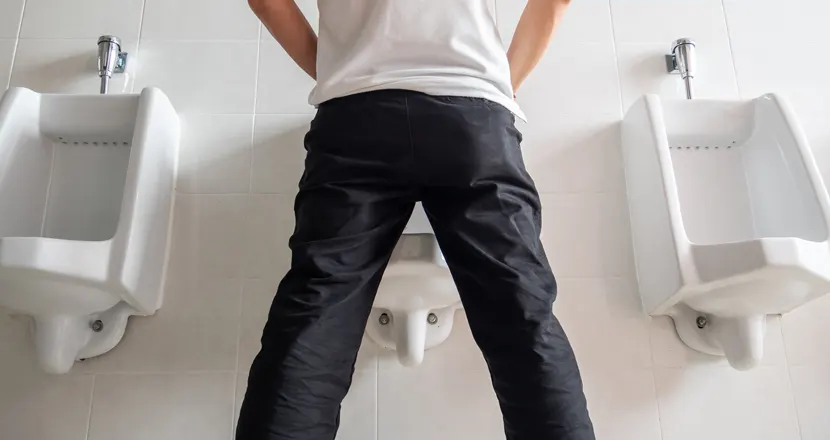
Men may stand at the toilet for several seconds or longer before urine begins to flow.
In some cases, the stream may start weakly, stop and restart, or require straining.
This symptom is often one of the early warning signs of prostate-related urinary problems.
Causes of Urinary Hesitancy
Enlarged Prostate (BPH)
Benign Prostatic Hyperplasia is one of the most common causes of urinary hesitancy in men.
As the prostate enlarges, it places pressure on the urethra, narrowing the passage through
which urine flows. This makes it harder to start urination and may also weaken the stream.
Prostatitis
Prostatitis can cause swelling and inflammation of the prostate gland.
This swelling may compress the urethra and create difficulty in initiating urine flow.
It is often accompanied by pelvic pain and burning during urination.
Urinary Tract Infection
Urinary tract infection may irritate the urinary tract lining and cause inflammation,
which can interfere with normal urine flow.
Men may also experience burning, urgency, and frequent urination.
Nerve or Bladder Muscle Issues
Conditions affecting the nerves that control the bladder, such as diabetes-related nerve damage
or spinal problems, can lead to urinary hesitancy.
When nerve signals are disrupted, the bladder may not contract properly.
Urethral Narrowing or Blockage
Scar tissue, stones, or structural narrowing in the urethra may also make it difficult
to start urination.
Common Symptoms That May Occur Alongside
Urinary hesitancy often occurs with other urinary symptoms.
- weak urine stream
- straining to urinate
- interrupted flow
- dribbling after urination
- frequent urination
- nighttime urination
- feeling of incomplete bladder emptying
- urgency to urinate
These associated symptoms can help identify whether the prostate is involved.
Possible Complications
Urinary Retention
Complete inability to pass urine may occur if the blockage becomes severe and the urethra
is significantly narrowed. This can cause bladder pressure and lower abdominal discomfort,
and may require urgent medical attention.
Bladder Strain
Repeated straining and incomplete bladder emptying can weaken the bladder muscles over time.
This may worsen urinary hesitancy, weak urine flow, and long-term bladder function.
Increased Infection Risk
Stagnant urine left in the bladder may increase the risk of urinary tract infections
and bacterial growth.
Diagnosis
Medical History
A doctor will assess urinary symptoms, duration, and associated discomfort.
Prostate Examination
A physical exam may be performed to check for prostate enlargement or tenderness.
Urine Test
Urinalysis helps identify infection, blood, or abnormal cells.
Ultrasound or Imaging
Imaging may be recommended to evaluate the prostate, bladder, or urinary tract blockage.
Flow Rate Test
A urine flow test may be used to measure how quickly urine passes.
Treatment Options
For Enlarged Prostate
- medications to relax prostate muscles
- medicines to reduce prostate size
- lifestyle modifications
- procedures if symptoms are severe
These treatments help reduce pressure on the urethra and improve urine flow.
For Infection
Antibiotics are commonly prescribed when an infection is the cause.
Completing the full treatment course is important to prevent recurrence.
For Nerve-Related Causes
Treatment focuses on managing the underlying nerve or bladder condition.
This may include medications, bladder training, or specialist care.
For Structural Blockage
If narrowing or stones are causing the issue, medical procedures may be needed
to remove the obstruction.
Lifestyle Tips to Improve Symptoms
Stay Hydrated
Adequate water intake supports healthy urinary flow.
It also helps flush the bladder and may reduce irritation in the urinary tract.
Avoid Bladder Irritants
Limit caffeine, alcohol, and spicy foods that may worsen urinary symptoms.
Do Not Delay Urination
Emptying the bladder regularly may help reduce strain.
Maintain a Healthy Weight
Excess body weight may worsen prostate-related urinary symptoms.
When to Seek Medical Help
- Persistent difficulty starting urination
- Complete inability to urinate
- Pain during urination
- blood in urine
- Worsening nighttime urination
- Pelvic pain
Prompt evaluation helps prevent complications.
Conclusion
Urinary hesitancy is a common symptom in men and is often linked to prostate enlargement
or inflammation.
Early recognition and treatment can improve urinary flow, reduce discomfort,
and prevent long-term bladder complications.
If symptoms persist, medical evaluation is strongly recommended.







 This article changed my life!
 This article was informative.
 I have a medical question.
 This article contains incorrect information.
 This article doesn’t have the information I’m looking for.