Table Of Contents
Introduction
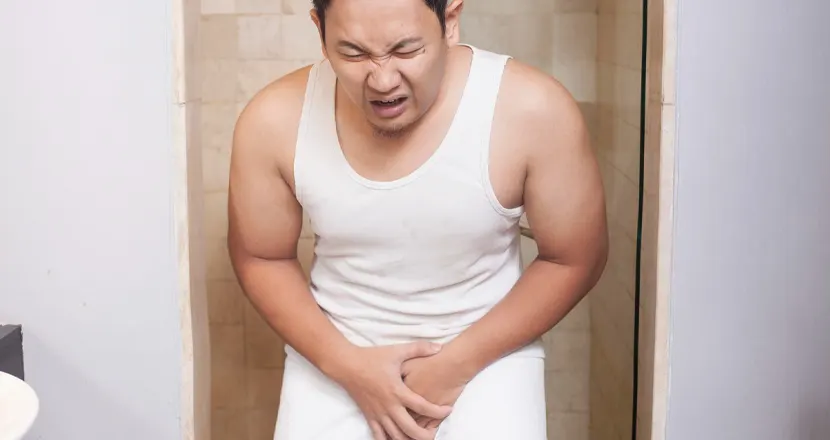
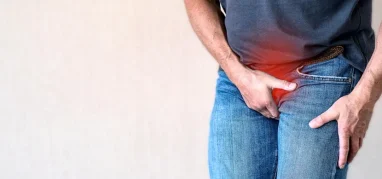
Urine dribbling is an issue that many men quietly struggle with, yet it can significantly impact daily life. Unlike the normal flow of urination, dribbling involves a slow, uncontrolled leakage of urine, often occurring after leaving the toilet.
While it is commonly associated with prostate changes, it can also result from weak bladder control, nerve issues, or lifestyle habits. Understanding why it happens is key to finding effective solutions.
What Is Dribbling of Urine? Causes and Treatments
Dribbling of urine is a condition where small amounts of urine leak out unintentionally. This can happen just after using the bathroom or may continue as a mild, ongoing leakage throughout the day. Although it is a fairly common issue, many people feel uncomfortable discussing it.
In most cases, urine dribbling is not a disease on its own but a symptom of an underlying urinary or prostate-related problem . While it may seem like a minor inconvenience at first, it can affect daily comfort, hygiene, and confidence if left unmanaged.
Understanding Urine Dribbling
Urine dribbling refers to the involuntary release of urine after or during urination, and it is different from other types of incontinence such as stress or urge incontinence.
One common form is post-void dribbling, which happens right after finishing urination. This occurs when a small amount of urine remains trapped in the urethra and slowly leaks out after leaving the toilet.
Another form is continuous dribbling, where urine leakage occurs more regularly throughout the day. This type may suggest that the bladder is not emptying properly, allowing urine to leak out over time.
Although both types involve unintended urine loss, they differ in timing, frequency, and underlying causes.
Urine dribbling is more than just an occasional leak; it can be a persistent problem that causes discomfort and embarrassment.
Men may notice:
- Small drops of urine remaining in underwear
- Leakage after leaving the toilet
- The need to pause and squeeze after urination
- A sensation of incomplete emptying
Though sometimes considered a normal part of aging, urine dribbling can indicate underlying conditions such as prostate enlargement, infections, or pelvic floor weakness.
Early recognition can improve both comfort and long-term bladder health.
What Are the Common Causes of Urine Dribbling?
Several factors contribute to urine dribbling, ranging from age-related changes to medical conditions.
Primary causes include:
- Enlarged Prostate (BPH): A growing prostate can press against the urethra and reduce bladder emptying
- Pelvic Floor Weakness: Weakened muscles can reduce urinary control
- Prostatitis: Inflammation or infection of the prostate may cause leakage and urgency
- Urethral Strictures: Narrowing of the urethra can obstruct urine flow
- Neurological Disorders: Diabetes or nerve injuries may affect bladder signaling
In many men, more than one factor may contribute to symptoms.
How Lifestyle Choices Affect Urine Dribbling
Lifestyle choices can play an important role in worsening urine dribbling, even if they are not the direct cause of the condition. Habits such as consuming too much caffeine or alcohol can irritate the bladder and increase urgency, while excess body weight may place additional pressure on the urinary system. A sedentary lifestyle can also weaken pelvic floor muscles, making it harder to control urine flow.
In addition, poor hydration habits—such as drinking too little water or consuming large amounts at once—can disrupt normal bladder function. To help reduce symptoms, it is useful to drink fluids in smaller, regular amounts throughout the day, limit bladder irritants like coffee, soda, and alcohol, and maintain a healthy weight through balanced diet and regular physical activity.
Common triggers include:
- Excess caffeine intake
- Alcohol consumption
- Obesity
- Physical inactivity
- Poor hydration patterns
Tips for reducing the impact:
- Drink smaller amounts of fluids throughout the day
- Limit coffee, soda, and alcohol
- Maintain a healthy weight
- Exercise regularly to support pelvic muscles
When Is Urine Dribbling a Sign of a Medical Issue?
While mild dribbling may be common with age, some symptoms require medical evaluation.
Seek professional help if dribbling is accompanied by:
- Pain or burning during urination
- Blood in urine
- Difficulty starting or stopping urine flow
- Frequent nighttime urination
- Sudden worsening of symptoms
These may indicate infections, stones, or advanced prostate issues.
Effective Ways to Manage and Treat Urine Dribbling
Common treatment approaches include:
Pelvic Floor Exercises
Strengthening the muscles around the bladder and urethra can improve control and reduce leakage.
Timed Voiding
A regular urination schedule helps train the bladder and reduces post-void leakage.
Medications
Certain medications may:
- Relax prostate muscles
- Improve urine flow
- Support bladder function
Medical Procedures
In severe cases, procedures to reduce prostate size or remove obstruction may be recommended.
Consistency is key, and combining exercises with healthy habits often produces the best results.
Preventive Measures to Reduce the Risk of Urine Dribbling
Taking proactive steps can help prevent worsening symptoms.
Preventive tips:
- Practice regular pelvic floor exercises
- Reduce caffeine and alcohol
- Maintain healthy body weight
- Stay physically active
- Schedule regular prostate checkups
These habits support long-term urinary and prostate health.
Conclusion
Urine dribbling is a common urinary issue in men and is often linked to prostate enlargement, weak pelvic floor muscles, infections, or nerve-related problems. Although it may begin as a mild inconvenience, ongoing urine leakage can affect confidence, sleep quality, daily comfort, and overall quality of life if left untreated.
The good news is that many cases can be effectively managed with simple lifestyle changes, pelvic floor exercises, improved hydration habits, and proper medical treatment when needed. Identifying the underlying cause is important because treatment options may vary from person to person. In some cases, strengthening bladder control and avoiding common triggers such as caffeine or alcohol may significantly reduce symptoms over time.
Persistent or worsening symptoms should always be medically evaluated for proper diagnosis and treatment. Early attention can help prevent complications and improve long-term urinary health, allowing individuals to maintain better comfort and confidence in daily life.



 This article changed my life!
 This article was informative.
 I have a medical question.
 This article contains incorrect information.
 This article doesn’t have the information I’m looking for.