Table Of Contents
Introduction
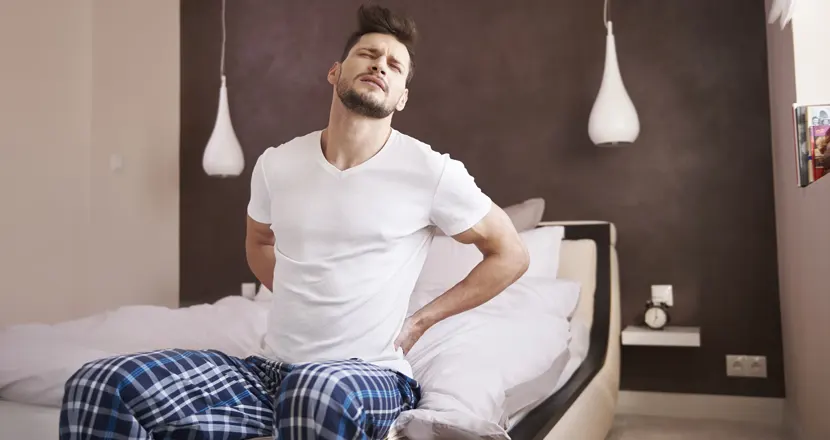
Lower back pain in men is often associated with spinal or muscular issues, but it can sometimes be linked to prostate problems. Prostate back pain usually presents as a dull or persistent ache in the lower back, pelvis, or hips.
While occasional discomfort may be mild, persistent pain may indicate conditions such as prostatitis, benign prostatic hyperplasia (BPH), or even more serious prostate disorders. Understanding this connection is crucial for early detection and proper management.
Common Causes of Prostate Back Pain
Several prostate-related conditions can lead to lower back pain. One of the most common is Prostatitis, which involves inflammation or infection of the prostate gland. This condition can irritate surrounding tissues and nerves, causing pain that extends into the lower back.
Another frequent cause is Benign Prostatic Hyperplasia, a non-cancerous enlargement of the prostate. As the gland grows, it can create pressure in the pelvic area, leading to discomfort that may radiate to the back.
Clinical evidence also highlights that in some cases, prostate-related conditions, including more serious diseases, may initially present as back pain.
Chronic pelvic pain syndrome is another contributing factor. It involves long-term inflammation and muscle tension in the pelvic region, often without a clear infection. Similarly, infections like Urinary Tract Infection can spread to the prostate and cause both pelvic and back pain.
Main causes include:
- Prostate inflammation or infection
- Enlarged prostate (BPH)
- Chronic pelvic pain syndrome
- Urinary tract infections
- Pelvic muscle tension or dysfunction
Symptoms That Accompany Prostate Back Pain
Prostate-related back pain rarely occurs in isolation. Men may notice other symptoms that point to prostate involvement. Urinary and sexual symptoms often accompany prostate back pain, helping differentiate it from common musculoskeletal pain.
Associated symptoms:
- Difficulty starting or stopping urination
- Frequent or urgent need to urinate, especially at night
- Pain during ejaculation or sexual activity
- Pelvic pressure or discomfort in the perineum
- General fatigue or low-grade fever in cases of infection
How Lifestyle Factors Influence Prostate Back Pain
Lifestyle habits can significantly affect the severity of prostate-related back pain. Sedentary behavior, poor posture, and dehydration can increase pelvic tension and worsen symptoms.
On the other hand, simple lifestyle adjustments can improve circulation, reduce inflammation, and support prostate health. Regular movement and proper hydration are especially important for managing symptoms effectively.
Helpful lifestyle habits:
- Avoid sitting for long periods
- Stay physically active
- Drink enough water
- Limit caffeine and alcohol
- Practice stretching and stress management
For a more detailed explanation, check out the YouTube video from AsapSCIENCE, where they break down the topic further with helpful visuals and expert insights.
Treatment and Management Options for Prostate Back Pain
Effective treatment depends on the underlying cause of prostate back pain. A combination of medical care, exercises, and lifestyle changes is often most effective.
Medical treatments target inflammation, infection, or enlargement of the prostate, while lifestyle adjustments and pelvic floor therapy help reduce tension and discomfort in the lower back.
Common strategies:
- Medications: Antibiotics for infection, alpha-blockers for BPH, or anti-inflammatories for pain relief
- Pelvic Floor Therapy: Exercises to strengthen or relax muscles surrounding the prostate and lower back
- Heat or Massage Therapy: Warm baths or targeted massage can ease muscular tension contributing to pain
- Medical Procedures: Minimally invasive procedures for severe prostate enlargement or chronic inflammation
Preventive Measures for Prostate Back Pain
Proactive steps can reduce the risk or severity of prostate-related back pain.
Maintaining prostate and pelvic health, adopting good posture, and exercising regularly can prevent or minimize discomfort. Routine check-ups also help detect issues early.
Preventive tips:
- Schedule regular prostate screenings, especially after age 40
- Engage in core and pelvic strengthening exercises
- Maintain proper posture during work and daily activities
- Avoid bladder irritants like caffeine, alcohol, and spicy foods in excess
Conclusion
Prostate back pain is a symptom that may result from prostatitis, benign prostate enlargement, chronic pelvic pain, or urinary tract infections. While occasional discomfort may be mild, persistent or severe pain requires medical evaluation.
Research backed evidence the connection between prostate conditions and back pain, reinforcing the importance of timely diagnosis and treatment. Combining lifestyle adjustments, pelvic floor exercises, targeted treatments, and preventive strategies can reduce pain and improve quality of life. Early recognition ensures that prostate back pain does not interfere with daily activities or sleep.
Frequently Asked Questions
Q1: Can prostate problems cause lower back pain?
Q2: Where is prostate pain usually felt?
Q3: How can I tell if my back pain is prostate-related?
Q4: Can exercise help reduce prostate back pain?
Q5: Is prostate back pain serious?
Q6: How long does prostate-related back pain last?
Q7: Is Prostate Back Pain a Sign of Cancer?


Lisa Davis has two decades of experience as a health educator and a broadcaster. She has worked as an in a variety of settings as a health educator in the realm of sex, HIV, and Hepatitis C as well as a personal trainer and health coach. With a master’s degree in public health, she is a creator, host, and producer of the syndicated It’s Your Health radio heard on regional NPR as well as host/producer of Talk Healthy Today by AIM Media (of Clean Eating, Vegetarian Times, and Better Nutrition magazines). She is host/producer of Naturally Savvy Radio heard online on RadioMD, iHeart Radio Talk, TuneIn, Stitcher, iTunes, UberRadio, and TalkStreamLive. In addition to her radio work, Lisa is an emotional support coach for both TelemedVip and on season 2 of the hit Docu-reality series Reversed on The Discovery Life Channel coming in Fall 2018. In addition to developing radio shows, Lisa has created, produced, and hosted health television shows. Her first show, Health Power was seen on KRUZ-TV in California. She was also a regular contributor to Carol Alt’s national health TV show on FOX News Channel A Healthy You Her book, Clean Eating, Dirty Sex: Sensual Superfoods and Aphrodisiac Practices for Ultimate Sexual Health comes out in January 2019. Her first book, Easy to Love but Hard to Live With: Real People, Invisible Disabilities, True Stories came out in 2014. Reach out to her through her Facebook.


 This article changed my life!
 This article was informative.
 I have a medical question.
 This article contains incorrect information.
 This article doesn’t have the information I’m looking for.