Table Of Contents
Introduction
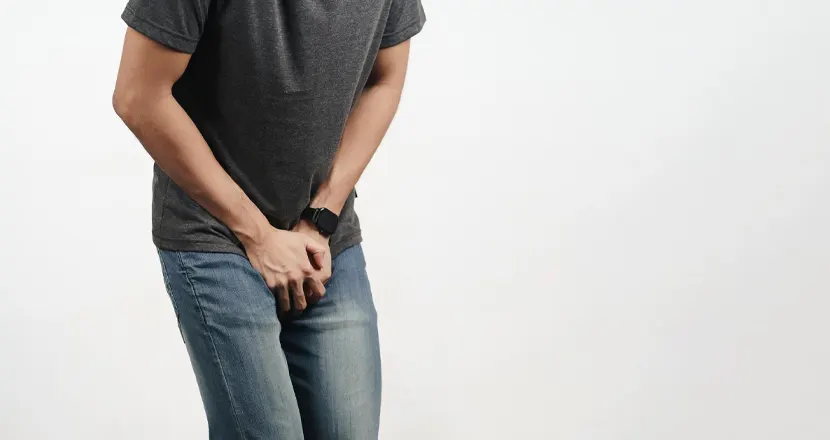
Painful urination in men is a common urinary symptom that may indicate an underlying prostate-related condition. It is often described as a burning, stinging, or sharp sensation when passing urine and may be accompanied by pelvic discomfort, urinary urgency, or lower abdominal pressure.
Because the prostate surrounds the upper portion of the urethra, even mild inflammation or swelling can directly affect urine flow. This is why prostate-related issues often cause not only discomfort during urination but also lingering soreness afterward.
In many cases, the symptom develops gradually and may first appear as occasional burning before becoming more frequent. When left unaddressed, persistent urinary discomfort can interfere with sleep, daily comfort, sexual health, and overall urinary function.
Understanding the cause early helps improve treatment outcomes and reduces the risk of worsening urinary complications.
Key Highlights
- Painful urination in men may be linked to prostate inflammation
- Prostatitis is one of the most common prostate-related causes
- An enlarged prostate may create urinary pressure and discomfort
- Symptoms often include burning, urgency, and pelvic pain
- Early treatment helps prevent worsening urinary symptoms
What Is Painful Urination in Men?
Painful urination refers to discomfort, burning, or pain felt during or shortly after passing urine.
This symptom may occur due to inflammation, infection, urinary irritation, or urethral pressure.
When the prostate is involved, the pain is often accompanied by symptoms such as weak flow, urgency, pelvic pressure, or discomfort after urination.
Because the prostate wraps around part of the urethra, even minor swelling can irritate the urinary passage and make urination uncomfortable.
Prostate Causes of Painful Urination
Prostatitis
Prostatitis is one of the leading prostate-related causes of painful urination in men.
This condition refers to inflammation or infection of the prostate gland.
When inflamed, the prostate may irritate surrounding tissues and the urethra, leading to burning while urinating, lingering soreness, pelvic pressure, and discomfort after urination.
Some men may also experience pain during ejaculation, lower back discomfort, or a constant feeling of pelvic heaviness.
Because the inflammation directly affects the urinary passage, even normal urine flow can feel painful.
Enlarged Prostate
An enlarged prostate can also contribute to discomfort.
As the gland increases in size, it may place pressure on the urethra and partially restrict urine flow.
This pressure can create a sensation of tightness, incomplete bladder emptying, and discomfort during urination.
Although it is more commonly associated with weak urine stream and frequent urination, mild burning and post-urination pressure may also occur.
Common Symptoms That May Occur
Painful urination related to prostate issues often appears with additional urinary symptoms.
Common symptoms include:
- Burning while urinating
- Weak urine stream
- Frequent urge to urinate
- Difficulty starting urination
- Pelvic pressure
- Groin discomfort
- Lower back discomfort
- Pain during ejaculation
These symptoms together strongly suggest a prostate-related urinary issue.
Other Possible Causes
Painful urination is not always caused by the prostate.
Other common causes include urinary tract infections, bladder inflammation, urethral irritation, kidney stones, and sexually transmitted infections.
However, when the pain occurs alongside weak flow, urgency, and pelvic pressure, prostate-related causes should be strongly considered.
Diagnosis and Treatment
Proper diagnosis is important to identify whether the cause is related to the prostate or another urinary condition.
Doctors typically begin with symptom review, urine testing, and physical examination.
Depending on the symptoms, additional evaluation may include prostate assessment, ultrasound, PSA-related evaluation where appropriate, or urine flow studies to check for obstruction.
Treatment depends on the underlying cause.
For Prostatitis
If inflammation or infection is present, treatment may include antibiotics, anti-inflammatory support, and pelvic muscle relaxation measures.
In cases of chronic irritation, doctors may also recommend supportive therapies to reduce pelvic floor tension and improve urinary comfort.
For Enlarged Prostate
If the cause is prostate enlargement, treatment may focus on improving urine flow and reducing urethral pressure.
Medications that relax the urinary pathway may be used to reduce discomfort.
Helpful Lifestyle Support
- Stay hydrated
- Avoid caffeine and alcohol
- Do not delay urination
- Maintain healthy urinary habits
With proper treatment, many men notice significant relief within a few weeks.
Timeline for Relief
Relief depends on the underlying cause and how quickly treatment begins.
- 1–3 days: Mild symptom improvement may begin
- 1–2 weeks: Noticeable reduction in burning and discomfort
- 3–4 weeks: Improved urinary comfort and reduced associated symptoms
Persistent symptoms should always be reassessed.
When to Seek Medical Help
Medical evaluation is recommended if symptoms last more than a few days or worsen.
Seek professional help if you notice:
- Fever
- Chills
- Blood in urine
- Severe pelvic pain
- Inability to urinate
- Worsening urinary discomfort
These may indicate infection, significant inflammation, or urinary obstruction.
Conclusion
Painful urination in men is often linked to prostate inflammation, urinary irritation, or prostate enlargement.
Because the prostate directly surrounds the urethra, even minor swelling can significantly affect urinary comfort and urine flow.
The good news is that most prostate-related causes can be effectively diagnosed and treated when addressed early.
Prompt medical attention helps relieve symptoms faster and reduces the risk of long-term urinary complications.






 This article changed my life!
 This article was informative.
 I have a medical question.
 This article contains incorrect information.
 This article doesn’t have the information I’m looking for.