Table Of Contents
Introduction
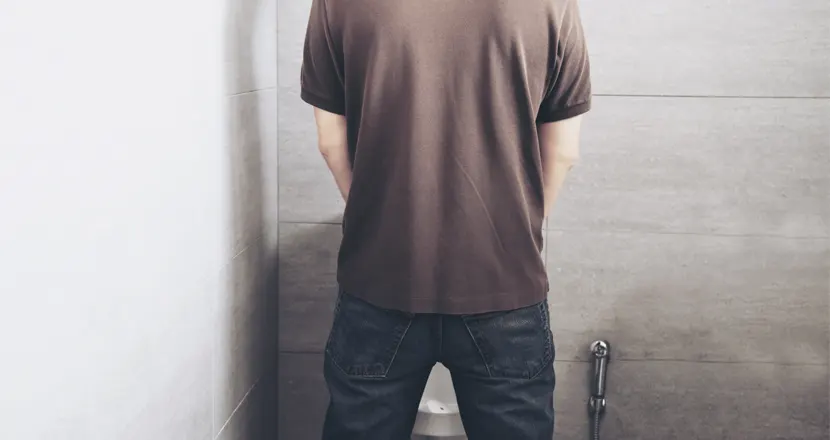
Weak urine flow is a common urinary symptom that can feel frustrating, uncomfortable, and sometimes concerning. It usually means that the stream of urine is slower, thinner, or less forceful than usual.
In some cases, the flow may start and stop, require straining, or leave the feeling that the bladder has not fully emptied.
This symptom is often linked to problems affecting the bladder, urethra, or prostate. Because urine flow depends on smooth coordination between these structures, even minor blockage, inflammation, or muscle dysfunction can reduce the strength of the stream.
While many people associate weak urine flow with prostate issues, it can also be caused by urinary tract infections, urethral narrowing, nerve-related bladder dysfunction, or certain medications.
Understanding the root cause is the key to finding the right treatment.
Key Highlights
- Weak urine flow is often linked to prostate enlargement
- Urinary blockage or urethral narrowing can reduce stream strength
- Bladder muscle weakness may also affect flow
- Infections and inflammation can cause temporary symptoms
- Early diagnosis helps prevent urinary retention complications
What Causes Weak Urine Flow?
The most common cause of weak urine flow is a partial blockage somewhere in the urinary pathway.
One of the leading causes is benign prostatic hyperplasia (BPH), where the prostate enlarges and puts pressure on the urethra. Since the urethra passes through the center of the prostate, even moderate enlargement can narrow the passage and reduce urine flow.
This often causes a slow stream, hesitancy, and interrupted urination.
Another major cause is urethral stricture, which refers to narrowing caused by scar tissue or inflammation in the urethra.
This can significantly reduce the force of urination and may also cause dribbling or spraying.
In some cases, the issue is not blockage but bladder muscle weakness.
If the bladder muscles are unable to contract strongly enough, the stream may feel weak even when there is no physical obstruction.
Common Symptoms That May Occur Alongside Weak Urine Flow
Weak urine flow is often accompanied by other lower urinary tract symptoms that help identify the cause.
Common associated symptoms include:
- Difficulty starting urination
- Interrupted urine stream
- Dribbling after urination
- Feeling of incomplete bladder emptying
- Urgency or frequent urination
- Straining while urinating
When several of these symptoms appear together, they may suggest prostate enlargement, urethral narrowing, or bladder dysfunction.
These symptoms often worsen gradually, which is why many people delay getting evaluated.
Could It Be a Bladder or Nerve Problem?
Yes, weak urine flow can also be caused by bladder or nerve-related issues.
The bladder needs strong and coordinated muscle contractions to push urine out effectively.
If the bladder muscle becomes underactive, the stream may become slow or weak.
This can happen in conditions involving nerve dysfunction, diabetes-related bladder changes, spinal issues, or certain neurological disorders.
In such cases, the problem may not be blockage but reduced bladder pressure during urination.
This distinction is important because treatment differs significantly from prostate-related causes.
When Should You See a Doctor?
Weak urine flow should be medically evaluated if it continues for several days, worsens over time, or begins affecting daily comfort.
It becomes especially important to seek care if you also notice pain, blood in urine, repeated nighttime urination, or difficulty emptying the bladder.
In some cases, untreated weak flow can lead to urinary retention, where urine builds up in the bladder and becomes difficult to pass.
This can increase the risk of infection, bladder stress, and kidney-related complications.
Early diagnosis helps prevent these complications and allows targeted treatment.
How Weak Urine Flow Is Diagnosed and Treated
Doctors usually begin by understanding how long the symptom has been present and whether it is associated with urgency, frequency, pain, or dribbling.
A urine test is often done first to rule out infection or blood in the urine.
Depending on the symptoms, additional tests such as an ultrasound, a urine flow study, or bladder residual volume testing may be recommended to measure how effectively the bladder empties.
Treatment depends entirely on the underlying cause.
If the issue is linked to prostate enlargement, medications may be used to relax the muscles around the bladder neck and improve urine flow.
If a urethral stricture is present, targeted procedures may be needed to widen the passage.
Helpful Lifestyle Changes
- Reduce caffeine and alcohol
- Avoid delaying urination
- Stay hydrated without excessive fluid intake
- Review medications with a doctor
These steps often help reduce urinary strain and improve flow comfort.
Final Thoughts
Weak urine flow can be caused by several different conditions, ranging from prostate enlargement to urethral narrowing and bladder dysfunction.
Because the symptom can indicate both mild and more serious urinary issues, it should not be ignored if it persists.
The good news is that most causes of weak urine flow can be effectively diagnosed and managed with the right treatment approach.







 This article changed my life!
 This article was informative.
 I have a medical question.
 This article contains incorrect information.
 This article doesn’t have the information I’m looking for.