Table of Content
Introduction
Niacin, also known as vitamin B3, is an essential nutrient involved in energy metabolism, nervous system function, and cardiovascular health. It is widely recognized for its connection to blood circulation because it helps support vasodilation, the natural widening of blood vessels that allows blood to move more efficiently throughout the body.
When blood vessels relax and expand, circulation improves, helping oxygen and nutrients reach tissues more effectively. This vascular response is one reason niacin has been studied for its role in supporting cardiovascular wellness and healthy endothelial function. Some research also explores niacin’s relationship with erectile function due to its effects on circulation and vascular responsiveness.
One of the most noticeable effects of niacin is temporary flushing, which may cause warmth, redness, or tingling sensations on the skin. This occurs because blood vessels near the surface of the skin widen, increasing blood flow. Although the sensation can feel intense for some individuals, it is generally considered harmless and reflects niacin’s impact on vascular activity.
Research published by the National Center for Biotechnology Information (NCBI) discusses niacin’s effects on lipid metabolism, vascular health, and endothelial function. Additional research has examined how niacin may influence circulation and vascular responsiveness in individuals with cardiovascular concerns.
What Is Niacin?
Niacin is one of the eight essential B vitamins required for converting carbohydrates, fats, and proteins into usable cellular energy. Because it is water-soluble, the body does not store large amounts of niacin, meaning regular intake through diet or supplementation is important.
Beyond energy production, niacin contributes to several important physiological functions, including nervous system support, skin health, digestive function, and cardiovascular wellness. It also plays a role in maintaining healthy cholesterol metabolism and endothelial activity, which are closely connected to vascular health and circulation.
Niacin exists in different forms, including nicotinic acid and niacinamide. Nicotinic acid is the form most commonly associated with flushing and blood vessel dilation, while niacinamide generally supports cellular function without producing the same flushing response.
How Does Niacin Support Blood Flow?
Niacin is linked to improved blood flow because it may promote vasodilation, a process where blood vessels relax and widen. When arteries and capillaries become more flexible, blood can circulate more efficiently throughout the body.
This improved circulation may support oxygen delivery, nutrient transport, and overall cardiovascular function. Researchers believe niacin’s vascular effects are partly connected to prostaglandin activity, which influences blood vessel relaxation and blood flow near the skin’s surface.
Some evidence also suggests niacin may help support nitric oxide pathways and endothelial function. Endothelial cells line the interior walls of blood vessels and help regulate vascular tone, circulation, and blood pressure. Healthy endothelial activity is considered essential for maintaining proper cardiovascular performance.
Niacin may support circulation by:
- Promoting blood vessel relaxation
- Supporting endothelial function
- Encouraging healthy oxygen delivery
- Improving nutrient transport efficiency
- Supporting cardiovascular wellness
Why Does Niacin Cause a Flushing Effect?
Niacin flushing effect occurs because blood vessels near the skin temporarily widen after niacin intake. This widening increases blood flow close to the skin’s surface, which may produce warmth, redness, itching, or tingling sensations.
The flushing response is primarily associated with nicotinic acid forms of niacin and is considered a temporary vascular effect rather than an allergic reaction. Researchers believe prostaglandin release plays a central role in this response.
Although flushing is generally harmless, high doses of niacin may increase discomfort or side effects in some individuals. Extended-release niacin products are sometimes used to reduce flushing intensity, though they should still be used cautiously and under professional guidance.
According to research published, flushing effects remain one of the most common side effects associated with niacin supplementation.
Can Niacin Support Cardiovascular and Erectile Function?
Healthy circulation is essential for cardiovascular performance and normal erectile function because both rely heavily on blood vessel responsiveness and oxygen-rich blood flow.
Some studies suggest niacin may support vascular function in certain individuals by improving endothelial responsiveness and circulation efficiency. Because erectile function depends on adequate blood flow to penile tissues, researchers have explored whether niacin’s vascular effects could indirectly support erectile responsiveness.
However, niacin is not considered a primary treatment for erectile dysfunction, and evidence remains limited. Persistent circulation or erectile concerns should always be evaluated by a healthcare professional to identify possible underlying cardiovascular or metabolic conditions.
A clinical study available on niacin and erectile function explored niacin’s potential relationship with erectile performance in men with moderate erectile dysfunction and dyslipidemia.
Areas researchers continue to study include:
- Vascular responsiveness
- Endothelial health
- Nitric oxide activity
- Cardiovascular circulation
- Erectile blood flow support
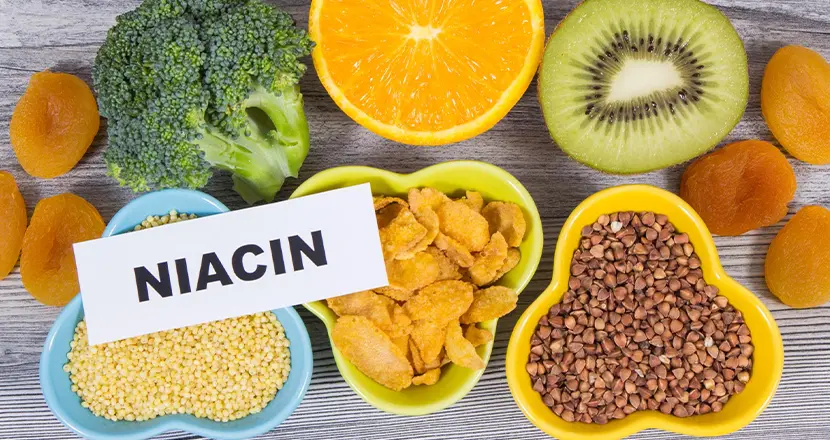
Best Food Sources of Niacin
Niacin is naturally present in a wide variety of foods, making it possible for most people to maintain healthy intake levels through diet alone. Animal proteins and fortified grains are among the richest dietary sources.
Foods naturally rich in niacin also provide other nutrients important for cardiovascular wellness, including protein, omega-3 fatty acids, antioxidants, and minerals involved in circulation support.
Common niacin-rich foods include:
- Chicken and turkey
- Tuna and salmon
- Brown rice and whole grains
- Peanuts and sunflower seeds
- Mushrooms
- Legumes and beans
- Fortified cereals
A balanced diet containing whole foods may help support healthy circulation, vascular function, and long-term cardiovascular wellness.
Can Niacin Supplements Improve Blood Flow?
Niacin supplements are sometimes used under medical supervision to support cardiovascular health and healthy lipid metabolism. Because niacin may promote vasodilation, some individuals experience temporary increases in circulation and skin warmth after supplementation.
The effectiveness and intensity of niacin’s effects may vary depending on:
- Dosage
- Supplement form
- Individual tolerance
- Existing cardiovascular health
- Overall lifestyle habits
High-dose niacin supplementation should not be used casually because excessive intake may increase the risk of liver stress, blood sugar changes, or medication interactions.
Are There Risks or Side Effects of Niacin?
Niacin is generally safe when consumed within recommended dietary levels, but larger supplemental doses may increase the risk of side effects. Flushing remains the most common reaction, though some individuals may also experience digestive discomfort, dizziness, or headaches.
Long-term use of very high doses may affect liver function, blood sugar regulation, and blood pressure in certain individuals. People with cardiovascular conditions, diabetes, liver disease, or ongoing medication use should consult a healthcare professional before using high-dose niacin supplements.
Possible side effects may include:
- Skin flushing
- Tingling sensations
- Nausea
- Digestive discomfort
- Headaches
- Dizziness
Professional guidance is especially important when niacin is used for cholesterol or cardiovascular support.
Lifestyle Habits That Support Healthy Circulation
While niacin may contribute to vascular wellness, circulation health is strongly influenced by overall lifestyle habits. Nutrient intake works best when combined with habits that support cardiovascular efficiency and endothelial function.
Regular exercise, hydration, stress management, and a balanced diet all contribute to healthy blood flow and oxygen delivery throughout the body.
Healthy circulation habits include:
- Staying physically active
- Maintaining hydration
- Eating nutrient-rich foods
- Avoiding smoking
- Supporting healthy cholesterol levels
- Managing stress consistently
Combining healthy lifestyle practices with balanced nutrition may provide better long-term circulation support than relying on supplements alone.
The Science Behind Niacin and Blood Vessel Function
Niacin’s circulation-related effects are often linked to endothelial function. The endothelium is the thin inner lining of blood vessels responsible for regulating vascular tone and blood flow.
Healthy endothelial activity helps blood vessels:
- expand properly
- maintain elasticity
- regulate circulation efficiently
Some evidence suggests niacin may positively influence endothelial responsiveness and lipid metabolism, both of which are associated with cardiovascular wellness.
Niacin has also historically been studied for its role in supporting healthy HDL cholesterol levels. HDL cholesterol is often referred to as “good cholesterol” because it helps transport excess cholesterol away from arteries.
Although niacin is no longer commonly used as a primary cholesterol therapy, research continues to explore its broader role in vascular health and circulation.
Conclusion
Niacin plays an important role in energy production, vascular responsiveness, and cardiovascular wellness. Its ability to support vasodilation and circulation efficiency is one reason it remains closely associated with blood flow support and endothelial health.
By helping blood vessels relax and supporting healthy oxygen delivery, niacin may contribute to efficient circulation throughout the body. Although temporary flushing is one of its most noticeable effects, long-term benefits are more closely tied to overall vascular function and balanced nutritional intake.
When combined with exercise, hydration, healthy nutrition, and proper cardiovascular care, niacin may support broader circulation and wellness goals as part of a healthy lifestyle.







 This article changed my life!
 This article was informative.
 I have a medical question.
 This article contains incorrect information.
 This article doesn’t have the information I’m looking for.