
Table Of Contents
Introduction
Exercise for blood circulation is one of the most powerful and natural ways to support overall health, especially for individuals as they age. Blood vessels gradually lose flexibility over time, and circulation slows due to reduced activity levels, stress, and lifestyle habits. This decline can affect energy levels, heart health, and physical performance.
The good news is that regular exercise can significantly improve blood flow by strengthening the heart, expanding blood vessels, and enhancing oxygen delivery throughout the body. With the right approach, you can restore circulation, feel more energized, and improve your quality of life without relying heavily on medications.
Key Highlights
- Exercise is the most effective natural way to improve blood circulation
- Regular movement strengthens the heart and vascular system
- Walking, cardio, and resistance training deliver the best results
- Lifestyle habits play a major role in circulation health
- Consistency leads to long-term improvements in energy and performance
What Causes Poor Blood Circulation?
Aging and Reduced Vascular Function
As you age, arteries become stiffer and narrower, reducing the efficiency of blood flow. This natural decline makes circulation issues more common after 40.
Sedentary Lifestyle
Sitting for long hours slows blood movement, especially in the lower body. Over time, this weakens the cardiovascular system and reduces circulation efficiency.
High Blood Pressure and Cholesterol
These conditions damage artery walls and can lead to blockages, restricting blood flow and increasing the risk of serious complications.
Excess Weight and Obesity
Carrying extra weight puts additional pressure on blood vessels, making it harder for blood to circulate properly.
Why Exercise Is Important for Blood Circulation
Exercise directly impacts how efficiently your blood moves through your body. During physical activity, the heart pumps faster, pushing blood more effectively through arteries and veins. This increased flow helps deliver oxygen and nutrients to tissues while removing waste products.
For individuals over 40, improved circulation supports heart health, brain function, and muscle performance. It also helps maintain stamina, reduce fatigue, and support better physical and overall health.
Best Exercises for Blood Circulation
1. Walking
Walking is one of the simplest and most accessible exercises for improving blood circulation. A brisk walk raises heart rate and encourages steady blood flow without excessive strain.
- Aim for at least 30 minutes daily
- Keep a steady, brisk pace
- Wear comfortable footwear
2. Cardiovascular Workouts
Cardio exercises elevate heart rate and improve oxygen delivery throughout the body while strengthening heart and lung function.
- Jogging or light running
- Cycling (indoor or outdoor)
- Swimming or water aerobics
3. Strength Training
Resistance exercises help build muscle mass, encouraging improved circulation during and after workouts.
- Weight lifting
- Bodyweight exercises like squats and push-ups
- Resistance band workouts
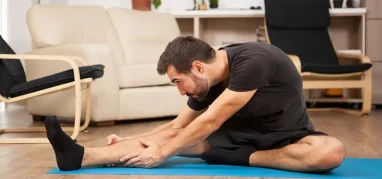
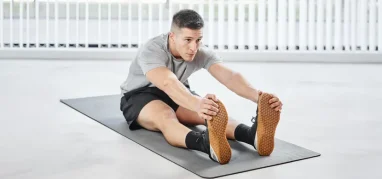
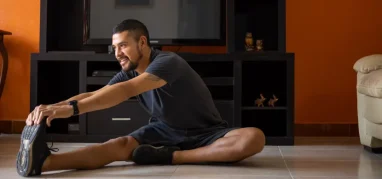
4. Stretching Exercises
Stretching improves flexibility and encourages blood flow to muscles and joints while reducing stiffness.
- Full-body stretching routines
- Hamstring and calf stretches
- Neck and shoulder mobility exercises
5. Yoga and Breathing Exercises
Yoga combines gentle movement with controlled breathing to stimulate circulation and reduce stress.
- Practice slow, controlled movements
- Use deep breathing techniques
- Include relaxation poses
Proven Natural Methods to Support Circulation
Exercise and Physical Activity
Consistent movement remains the foundation of healthy blood circulation.
Healthy Diet
A nutrient-rich diet supports blood vessel health and circulation naturally.
- Leafy greens and vegetables
- Fruits rich in antioxidants
- Omega-3 fatty acids from nuts and fish
Quality Sleep
Sleep helps regulate blood pressure and supports cardiovascular recovery.
Stress Management
Managing stress prevents blood vessel constriction and improves circulation.
Weight Management
Maintaining a healthy weight reduces strain on the heart and improves blood flow efficiency.
Sunlight and Vitamin D
Regular sunlight exposure supports vascular function and overall health.
Lifestyle Improvements
- Avoid smoking
- Limit alcohol intake
- Stay active throughout the day
Timeline: When Will You See Results?
Improving blood circulation takes consistency and patience.
- 1–2 weeks: Increased energy and reduced fatigue
- 3–4 weeks: Better endurance and easier daily activity
- 6–8 weeks: Noticeable improvement in circulation and stamina
When to Seek Medical Help
- Persistent numbness or tingling
- Severe leg pain during movement
- Swelling in feet or ankles
- Chest pain or breathing difficulty
- Slow healing wounds
Conclusion
Exercise for blood circulation is one of the most reliable and natural ways to support heart health, energy levels, and overall performance—especially after 40. Activities like walking, cardio, and strength training improve oxygen delivery and keep blood vessels healthy.
Consistency matters more than intensity. Small daily efforts can lead to noticeable improvements within weeks, while long-term commitment helps protect against future health risks and supports lasting vitality.





 This article changed my life!
 This article was informative.
 I have a medical question.
 This article contains incorrect information.
 This article doesn’t have the information I’m looking for.