Table Of Content
Introduction
Physical activity is widely known for improving fitness and strength, but one of its most important benefits is often overlooked — its ability to enhance circulation. Many people ask whether regular movement truly makes a difference in vascular health. The answer lies in understanding how exercise improves blood flow and why consistent activity plays a central role in maintaining healthy circulation throughout the body.
Blood circulation is responsible for transporting oxygen, nutrients, and hormones to tissues while removing waste products. When circulation slows, the body may experience fatigue, reduced endurance, and discomfort in extremities. Exercise stimulates the cardiovascular system, encouraging the heart and blood vessels to work more efficiently. Over time, this leads to improved oxygen delivery and stronger vascular function.
For men focusing on performance, stamina, and overall wellness, maintaining proper circulation through physical activity becomes an essential lifestyle component rather than just a fitness goal.
How Exercise Influences Circulation
When the body moves, muscles contract and relax repeatedly. These contractions act like pumps that push blood through veins and back toward the heart. At the same time, heart rate increases to supply working muscles with oxygen-rich blood.
Regular exercise also encourages blood vessels to become more flexible. Flexible vessels expand and contract easily, allowing smoother blood flow and reducing resistance within arteries. This process supports long-term cardiovascular efficiency and better circulation.
Over time, consistent physical activity improves capillary density — meaning more small blood vessels develop to deliver oxygen directly to tissues.
Key Highlights
- Exercise activates muscles that support blood circulation
- Increased heart rate improves oxygen delivery
- Regular activity strengthens blood vessel flexibility
- Movement prevents blood pooling in legs and feet
- Consistency matters more than workout intensity
- Active lifestyles support long-term vascular health
Why Inactivity Slows Blood Flow
Modern routines often involve prolonged sitting, minimal movement, and high screen time. When muscles remain inactive, circulation becomes sluggish because the body loses the natural pumping action created by movement.
Reduced activity may cause blood to accumulate in the lower body, leading to stiffness, swelling, or fatigue. Over time, inactivity can weaken cardiovascular efficiency and reduce endurance levels.
Exercise reverses these effects by reactivating muscle engagement and stimulating circulation pathways that may have become less active.
Types of Exercise That Support Better Blood Flow
- Walking and light cardio improve overall circulation rhythm
- Strength training enhances muscle-driven blood movement
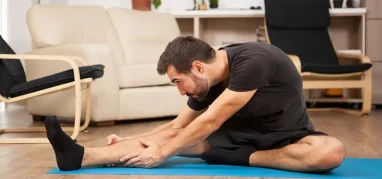
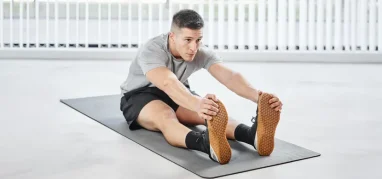
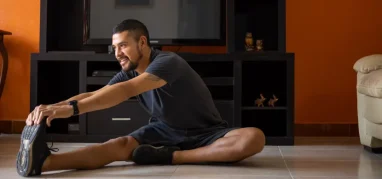
- Stretching exercises reduce stiffness and vessel compression
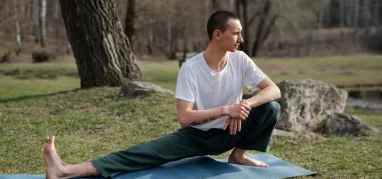
- Yoga and mobility work promote relaxation and vascular flexibility
- Breathing exercises improve oxygen delivery
Even moderate exercise performed regularly can significantly improve circulation efficiency.
Short-Term vs Long-Term Circulation Benefits
Exercise provides both immediate and lasting circulation improvements. During activity, heart rate rises and blood flow increases instantly. Muscles receive more oxygen, which enhances performance and energy.
Long-term benefits develop gradually. With consistent training, blood vessels adapt, the heart becomes stronger, and circulation improves even at rest. This adaptation helps the body deliver nutrients more efficiently throughout daily activities.
Many people notice improved warmth in hands and feet, reduced fatigue, and better recovery after adopting regular exercise habits.
The Role of Exercise in Male Blood Flow Health
Healthy circulation is closely linked to overall physical performance and endurance. Exercise supports vascular function by promoting nitric oxide production, which helps blood vessels relax and widen naturally.
Activities that engage large muscle groups — such as walking, cycling, or resistance training — encourage better blood distribution throughout the body. Improved circulation contributes to stamina, muscle recovery, and general wellness.
Rather than intense workouts, consistent moderate activity often provides the most sustainable benefits.
How Often Should You Exercise for Circulation Benefits?
Consistency plays a bigger role than intensity. Short daily movement sessions can be more effective than occasional strenuous workouts.
General recommendations include regular moderate activity spread across the week, combined with movement breaks during sedentary work hours. Even small habits like standing, stretching, or walking periodically help maintain continuous blood flow.
Signs Exercise Is Improving Your Circulation
- Increased energy levels
- Warmer hands and feet
- Reduced stiffness after sitting
- Faster muscle recovery
- Better endurance during daily tasks
These improvements indicate healthier cardiovascular function and more efficient blood movement.
Building a Sustainable Exercise Routine
Understanding whether exercise improves blood flow is only the first step. The real benefit comes from making movement a regular part of daily life. Choosing enjoyable activities increases consistency and long-term success.
Combining aerobic exercise, strength training, flexibility work, and proper recovery creates a balanced approach that supports circulation naturally. Over time, these habits strengthen the cardiovascular system and help maintain healthy blood flow throughout the body.
Exercise should be viewed not as a temporary solution but as a foundational practice for lifelong vascular health.
Frequently Asked Questions
Q: Does exercise really improve blood circulation?
Q: What type of exercise is best for circulation?
Q: How quickly does exercise affect blood flow?
Q: Can exercise help cold hands and feet?
Q: Is daily exercise necessary for circulation?
Q: Does stretching count as circulation exercise?


Lisa Davis has two decades of experience as a health educator and a broadcaster. She has worked as an in a variety of settings as a health educator in the realm of sex, HIV, and Hepatitis C as well as a personal trainer and health coach. With a master’s degree in public health, she is a creator, host, and producer of the syndicated It’s Your Health radio heard on regional NPR as well as host/producer of Talk Healthy Today by AIM Media (of Clean Eating, Vegetarian Times, and Better Nutrition magazines). She is host/producer of Naturally Savvy Radio heard online on RadioMD, iHeart Radio Talk, TuneIn, Stitcher, iTunes, UberRadio, and TalkStreamLive. In addition to her radio work, Lisa is an emotional support coach for both TelemedVip and on season 2 of the hit Docu-reality series Reversed on The Discovery Life Channel coming in Fall 2018. In addition to developing radio shows, Lisa has created, produced, and hosted health television shows. Her first show, Health Power was seen on KRUZ-TV in California. She was also a regular contributor to Carol Alt’s national health TV show on FOX News Channel A Healthy You Her book, Clean Eating, Dirty Sex: Sensual Superfoods and Aphrodisiac Practices for Ultimate Sexual Health comes out in January 2019. Her first book, Easy to Love but Hard to Live With: Real People, Invisible Disabilities, True Stories came out in 2014. Reach out to her through her Facebook.


 This article changed my life!
 This article was informative.
 I have a medical question.
 This article contains incorrect information.
 This article doesn’t have the information I’m looking for.