
Table Of Content
Introduction
Breathing is one of the most automatic functions of the human body, yet it is also one of the most powerful tools for improving circulation. Many people overlook how strongly breathing patterns influence oxygen delivery, heart function, and vascular health. Understanding the connection between deep breathing and blood circulation helps explain why controlled breathing exercises are increasingly recommended for improving overall wellness and supporting healthy blood flow.
When breathing becomes shallow due to stress, inactivity, or poor posture, oxygen intake decreases and circulation efficiency may decline. Deep, intentional breathing activates the diaphragm, improves oxygen exchange, and supports smoother blood movement throughout the body. This process can benefit cardiovascular health, muscle recovery, and relaxation responses that indirectly influence circulation.
For men focusing on blood-flow health and physical performance, breathing techniques can serve as a simple yet effective supportive practice alongside exercise and lifestyle improvements.
How Breathing Affects Circulation in the Body
Blood circulation depends heavily on oxygen supply. Each breath delivers oxygen into the lungs, where it enters the bloodstream and travels to tissues and organs. Deep breathing increases lung expansion, allowing more oxygen to enter circulation.
When oxygen levels improve, blood vessels relax slightly, promoting smoother blood flow. At the same time, deep breathing reduces stress hormone activity, which otherwise causes blood vessels to tighten.
The diaphragm also plays a mechanical role. As it moves during slow breathing, pressure changes inside the chest and abdomen help push blood back toward the heart, supporting venous return and improving circulation efficiency.
Key Highlights
- Deep breathing increases oxygen delivery to tissues
- Diaphragmatic breathing supports natural blood flow
- Stress reduction helps relax blood vessels
- Breathing exercises complement physical workouts
- Consistent practice improves circulation over time
- Proper breathing supports cardiovascular health
Why Modern Lifestyle Reduces Breathing Efficiency
Many people unknowingly develop shallow breathing habits due to prolonged sitting, screen use, and stress. Poor posture compresses the lungs, limiting diaphragm movement and reducing oxygen intake.
Stress further worsens the problem by triggering rapid chest breathing instead of slow abdominal breathing. This pattern keeps the body in a mild “fight-or-flight” state, where blood vessels constrict and circulation becomes less efficient.
Over time, reduced breathing efficiency may contribute to fatigue, muscle tension, and decreased physical endurance — all of which can indirectly affect circulation quality.
How Deep Breathing Supports Natural Blood Flow
Practicing slow breathing activates the parasympathetic nervous system, often called the body’s relaxation mode. In this state, heart rate stabilizes, blood pressure balances, and circulation improves.
Deep breathing also enhances nitric oxide production within nasal passages. Nitric oxide helps blood vessels widen, allowing blood to move more freely through arteries and veins.
Unlike intense exercise, breathing techniques provide circulation benefits without physical strain, making them suitable for individuals at any fitness level.
Effective Deep Breathing Techniques for Circulation
- Diaphragmatic breathing: inhale through the nose, expand the abdomen
- 4-4 breathing rhythm: inhale for 4 seconds, exhale for 4 seconds
- Slow nasal breathing: encourages oxygen efficiency
- Morning breathing practice: activates circulation after sleep
- Pre-sleep breathing: promotes relaxation and vascular recovery
Practicing for 5–10 minutes daily can gradually improve breathing patterns.
Connection Between Stress, Blood Flow, and Breathing
Stress is a major but often hidden contributor to circulation problems. When stress hormones rise, blood vessels narrow and circulation becomes restricted.
Deep breathing acts as a natural stress regulator. By slowing respiration, the body signals safety to the nervous system, allowing vessels to relax. Improved relaxation supports healthier blood flow to muscles and extremities.
This is why breathing exercises are frequently included in yoga, meditation, and recovery routines designed to enhance circulation.
Combining Breathing with Physical Activity
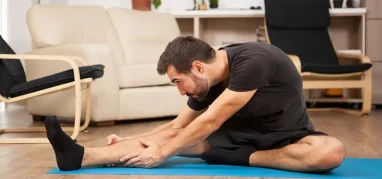
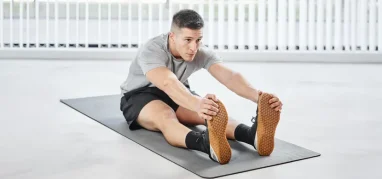
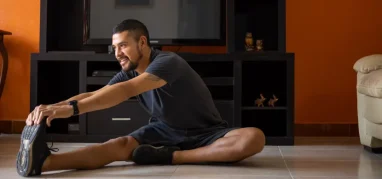
While breathing alone provides benefits, combining it with movement amplifies results. Walking, stretching, or light strength exercises performed with controlled breathing enhance oxygen delivery and muscle efficiency.
For example, inhaling during muscle relaxation and exhaling during effort improves coordination between respiration and circulation. Over time, this coordination strengthens cardiovascular efficiency.
Signs You May Benefit from Breathing-Based Circulation Support
- Frequent fatigue despite rest
- Cold hands or feet
- Shallow chest breathing
- Muscle tension or stiffness
- Difficulty relaxing after stress
Improving breathing habits may help support overall circulation balance.
Building a Long-Term Breathing Routine
Learning how deep breathing influences blood circulation is less about temporary exercises and more about daily awareness. Practicing mindful breathing during routine activities — walking, working, or resting — gradually retrains the body toward healthier patterns.
Consistency is more important than duration. Even a few minutes of controlled breathing practiced regularly can improve oxygen efficiency and support vascular health over time.
When combined with exercise, proper nutrition, and adequate sleep, breathing techniques become a powerful addition to a circulation-focused lifestyle.
Frequently Asked Questions
Q: Can deep breathing really improve circulation?
Q: How long should I practice deep breathing daily?
Q: Does breathing affect blood pressure?
Q: Is nasal breathing better for circulation?
Q: Can breathing exercises help cold hands and feet?
Q: When is the best time to practice deep breathing?


Lisa Davis has two decades of experience as a health educator and a broadcaster. She has worked as an in a variety of settings as a health educator in the realm of sex, HIV, and Hepatitis C as well as a personal trainer and health coach. With a master’s degree in public health, she is a creator, host, and producer of the syndicated It’s Your Health radio heard on regional NPR as well as host/producer of Talk Healthy Today by AIM Media (of Clean Eating, Vegetarian Times, and Better Nutrition magazines). She is host/producer of Naturally Savvy Radio heard online on RadioMD, iHeart Radio Talk, TuneIn, Stitcher, iTunes, UberRadio, and TalkStreamLive. In addition to her radio work, Lisa is an emotional support coach for both TelemedVip and on season 2 of the hit Docu-reality series Reversed on The Discovery Life Channel coming in Fall 2018. In addition to developing radio shows, Lisa has created, produced, and hosted health television shows. Her first show, Health Power was seen on KRUZ-TV in California. She was also a regular contributor to Carol Alt’s national health TV show on FOX News Channel A Healthy You Her book, Clean Eating, Dirty Sex: Sensual Superfoods and Aphrodisiac Practices for Ultimate Sexual Health comes out in January 2019. Her first book, Easy to Love but Hard to Live With: Real People, Invisible Disabilities, True Stories came out in 2014. Reach out to her through her Facebook.



 This article changed my life!
 This article was informative.
 I have a medical question.
 This article contains incorrect information.
 This article doesn’t have the information I’m looking for.