Table Of Content
Introduction
Healthy circulation in the legs plays a vital role in overall physical wellness and male vascular health. Because blood must travel upward from the legs toward the heart, proper circulation depends heavily on movement, muscle activity, and healthy blood vessels. When circulation slows, individuals may experience heaviness, stiffness, or fatigue in the lower body. Learning how to improve circulation in legs naturally can support better mobility, energy levels, and overall blood flow balance.
Modern lifestyles often involve extended sitting, limited physical activity, and reduced daily movement. These habits can weaken the natural mechanisms that assist circulation. Fortunately, simple lifestyle adjustments and targeted exercises can help restore healthy blood movement without complicated routines.
Key Highlights
- Leg muscles help pump blood toward the heart
- Sitting too long slows circulation
- Walking is one of the best circulation exercises
- Stretching reduces vessel restriction
- Hydration supports blood flow efficiency
- Movement breaks prevent blood pooling
- Strength exercises activate circulation
- Consistency improves long-term vascular health
Why Leg Circulation Matters More Than Most People Think
The legs contain large muscle groups and extensive networks of veins responsible for returning blood to the heart. Unlike arteries, veins rely on muscle contractions to push blood upward against gravity. This system is often called the “muscle pump.”
When muscles remain inactive for long periods, blood flow slows and pressure inside veins may increase. Over time, this may affect comfort, endurance, and circulation efficiency throughout the body.
Healthy leg circulation supports:
- Oxygen delivery to muscles
- Reduced swelling and stiffness
- Better cardiovascular function
- Improved physical stamina
Since circulation is closely linked to vascular health, maintaining movement becomes essential for long-term wellness.
Common Causes of Poor Circulation in the Legs
Circulation problems rarely appear suddenly. They usually develop from daily habits that reduce muscle activity and blood vessel stimulation.
Long sitting hours, lack of exercise, and poor posture can all contribute to slower blood flow. Tight muscles around the hips and thighs may also restrict circulation pathways.
Lifestyle Factors That May Slow Leg Circulation
- Sedentary work routines
- Minimal walking during the day
- Standing or sitting in one position too long
- Dehydration
- High stress levels
Recognizing these causes helps individuals make practical changes that support circulation naturally.
Best Exercises to Improve Circulation in Legs
Movement activates muscles that assist veins in pushing blood upward. Even gentle activity signals blood vessels to expand, improving circulation efficiency.
Walking, stretching, and light resistance exercises encourage rhythmic muscle contractions. These contractions reduce blood pooling and promote smoother circulation.
Consistency matters more than intensity. Frequent small movements throughout the day are often more effective than occasional intense workouts.
Effective Circulation-Supporting Exercises
- Walking at a comfortable pace
- Calf raises to activate lower-leg muscles
- Bodyweight squats for large muscle engagement
- Gentle cycling or stationary biking
- Leg stretches and mobility drills
Performing these activities regularly helps maintain active circulation pathways.
Stretching and Flexibility for Better Blood Movement
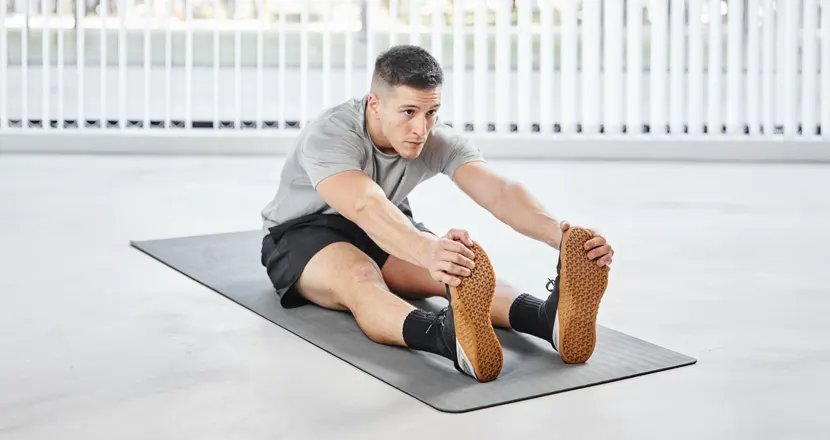
Tight muscles can compress blood vessels and reduce circulation efficiency. Stretching improves flexibility and allows blood to move more freely.
Morning stretches prepare muscles for movement, while evening stretching reduces tension built throughout the day. Slow, controlled stretches combined with deep breathing enhance relaxation and vascular response.
Stretching also supports posture, which indirectly improves circulation by reducing pressure on blood vessels.
Daily Habits That Support Leg Circulation
Exercise alone is not enough if long periods of inactivity continue. Circulation improves most when movement becomes part of daily routines.
Small lifestyle adjustments can significantly improve blood flow over time.
Simple Habits to Encourage Healthy Circulation
- Stand or walk every 30–60 minutes
- Elevate legs briefly after long sitting periods
- Wear comfortable, non-restrictive clothing
- Stay hydrated throughout the day
- Practice deep breathing exercises
The Role of Circulation in Male Blood Flow Health
Healthy leg circulation contributes to overall vascular efficiency. Because blood vessels function as a connected system, improved lower-body circulation supports cardiovascular health and oxygen delivery throughout the body.
Movement-based circulation improvements may help maintain energy levels, endurance, and physical responsiveness. Lifestyle habits that promote circulation often align with broader male wellness strategies focused on long-term health rather than temporary solutions.
Building a Circulation-Friendly Routine
Improving circulation does not require dramatic lifestyle changes. The most effective approach combines moderate activity with regular movement breaks.
A balanced routine might include walking during the day, light strength exercises several times per week, and stretching sessions to maintain flexibility. Over time, the body adapts by improving vascular responsiveness and muscle efficiency.
Consistency creates lasting benefits, while irregular activity provides only temporary improvement.
Long-Term Benefits of Healthy Leg Circulation
When circulation improves, many individuals notice gradual positive changes. Muscles receive better oxygen supply, movement feels easier, and daily fatigue may decrease.
Long-term benefits may include improved mobility, enhanced endurance, and better physical comfort during everyday activities. These outcomes reflect healthier blood flow patterns supported by sustainable lifestyle habits.
Conclusion
Learning how to improve circulation in legs naturally begins with understanding the importance of movement. The body relies on muscle activity, flexibility, and healthy habits to maintain efficient blood flow.
Simple actions such as walking regularly, stretching daily, and avoiding prolonged sitting can significantly support circulation over time. Rather than relying on quick fixes, consistent movement and balanced routines provide lasting support for healthy blood flow and overall vitality.





 This article changed my life!
 This article was informative.
 I have a medical question.
 This article contains incorrect information.
 This article doesn’t have the information I’m looking for.