
Table Of Content
Introduction
Modern work routines and digital lifestyles have significantly reduced daily movement. Many men now spend most of their day sitting — at desks, in vehicles, or using electronic devices. While this habit may seem harmless, prolonged inactivity can gradually influence how efficiently blood moves through the body. Understanding sedentary lifestyle effects on circulation is important because healthy blood flow supports energy, cardiovascular function, and overall male wellness.
The human body is designed for motion. Muscles, blood vessels, and the heart work together to maintain circulation through regular physical activity. When movement decreases, circulation slows, and the vascular system receives fewer signals to function optimally. Over time, this imbalance may influence stamina, physical comfort, and circulation-dependent body functions.
Key Highlights
- Prolonged sitting slows blood circulation
- Muscle inactivity reduces vascular stimulation
- Movement helps maintain healthy blood flow
- Poor posture can affect circulation efficiency
- Regular breaks improve circulation naturally
- Light exercise supports male wellness
- Small habits create long-term benefits
- Consistency is more important than intensity
Why Movement Is Essential for Proper Circulation
Circulation relies on more than just the heart pumping blood. Muscle contractions play a major supporting role by helping blood return from the lower body back toward the heart. Walking, stretching, and everyday movements act as natural circulation boosters.
When a person remains seated for long periods, muscles stay inactive. This inactivity reduces the body’s natural pumping mechanism, allowing blood to move more slowly. Reduced circulation may lead to stiffness, fatigue, or decreased physical responsiveness.
In active individuals, blood vessels regularly expand and contract, maintaining flexibility. Sedentary habits reduce this stimulation, which may gradually affect vascular efficiency.
How Sitting for Long Hours Affects the Body
The effects of inactivity often develop quietly. Many men do not notice circulation changes immediately because the body adapts slowly. However, consistent sitting can influence several systems at once.
The hips and legs experience the greatest impact since they remain compressed during sitting. Restricted muscle movement can slow blood flow in these areas. Poor posture may also compress the chest and abdomen, limiting deep breathing and oxygen delivery.
Over months or years, reduced activity may contribute to decreased endurance and slower recovery after physical exertion.
Common Daily Habits That Reduce Circulation
- Sitting continuously without breaks
- Minimal walking during work hours
- Long screen time sessions
- Lack of stretching or mobility exercises
- Poor sitting posture
Connection Between Circulation and Male Performance
Healthy circulation plays an important role in overall male physical function. Blood flow supports oxygen delivery, muscle efficiency, and cardiovascular health. When circulation becomes less efficient, the body may experience reduced energy and slower physical response.
A sedentary lifestyle does not directly cause erectile dysfunction, but it may contribute to underlying risk factors such as reduced cardiovascular fitness and increased muscle tightness. Since vascular health is closely linked to circulation quality, maintaining movement throughout the day becomes an important lifestyle factor.
Improving activity levels helps stimulate blood vessels naturally and supports overall wellness.
The Role of Muscle Activity in Blood Flow
Muscles act as secondary pumps for circulation. Each time muscles contract, they assist blood movement through veins. This process is especially important in the lower body, where blood must travel upward against gravity.
When muscles remain inactive for extended periods, circulation efficiency decreases. Stretching or standing reactivates muscle engagement and encourages blood movement.
Even small movements — such as standing, walking briefly, or changing posture — can restore circulation signals and improve comfort.
Early Physical Signs Linked to Inactivity
The body often provides early warnings before circulation problems become significant.
- Leg stiffness after sitting
- Tingling or numb sensations
- Cold feet or hands
- Low daily energy levels
- Tight hips or lower back discomfort
Building Movement Into a Busy Routine
Many men believe improving circulation requires long gym sessions, but small behavioral changes can make a meaningful difference. The goal is to reduce uninterrupted sitting time.
Adding movement naturally into daily routines supports circulation without overwhelming lifestyle changes.
Simple Daily Movement Strategies
- Stand every 30–60 minutes
- Take short walking breaks
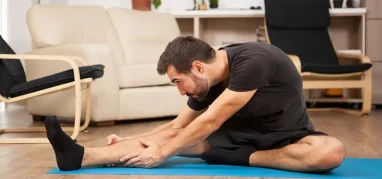
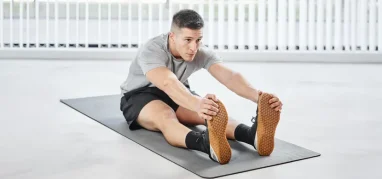
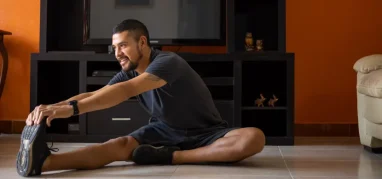
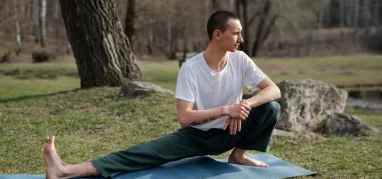
- Stretch during work intervals
- Use stairs when possible
- Practice light evening mobility exercises
Long-Term Benefits of Reducing Sedentary Habits
As movement becomes consistent, the body adapts positively. Blood vessels regain flexibility, muscles remain active, and overall physical comfort improves. Increased circulation supports endurance, recovery, and general vitality.
Over time, reducing sedentary behavior contributes to better cardiovascular health and improved physical confidence. These changes reflect healthier circulation patterns rather than quick fixes.
Lifestyle consistency remains the most important factor in maintaining circulation health.
Conclusion
Sedentary routines can quietly influence circulation by limiting muscle activity and reducing vascular stimulation. Understanding sedentary lifestyle effects on circulation highlights the importance of regular movement in supporting male wellness.
Simple habits such as standing more often, stretching daily, and incorporating light exercise can help maintain healthy blood flow. Rather than dramatic changes, steady lifestyle improvements provide sustainable support for circulation and overall vitality.




 This article changed my life!
 This article was informative.
 I have a medical question.
 This article contains incorrect information.
 This article doesn’t have the information I’m looking for.