Table Of Content
Introduction
Healthy circulation is essential for overall physical performance, energy levels, and male wellness. Blood flow carries oxygen and nutrients to muscles, organs, and tissues, supporting normal body function. When circulation becomes sluggish due to inactivity, stress, or muscle tightness, the body may experience fatigue, stiffness, and reduced physical responsiveness.
Many men focus only on intense workouts to improve circulation, yet stretching remains one of the simplest and most effective ways to encourage healthy blood movement. Stretching gently activates muscles, reduces vascular compression, and allows blood vessels to function more efficiently. Over time, regular mobility exercises can help restore natural circulation patterns without excessive strain on the body.
Unlike high-intensity training, stretching works through gradual improvement. It supports flexibility, posture, and relaxation — all of which contribute to better circulation and overall vitality.
Key Highlights
- Stretching encourages natural blood circulation
- Releases muscle tension affecting blood flow
- Supports pelvic and lower-body mobility
- Improves posture and breathing
- Helps reduce stress-related tightness
- Complements cardio and strength training
- Easy daily habit for long-term wellness
- Supports overall male vitality
Why Circulation Matters for Male Health
Blood flow plays a central role in male performance because proper vascular function allows tissues to receive oxygen efficiently. Healthy arteries expand and contract smoothly, enabling consistent blood movement throughout the body.
However, modern lifestyles often interfere with this process. Long hours of sitting, reduced physical activity, and chronic stress can tighten muscles and restrict circulation. When muscles remain tense for long periods, nearby blood vessels may become compressed, slowing blood delivery.
Stretching helps counteract these effects by lengthening muscles and improving movement range. As flexibility improves, circulation pathways open, allowing blood to travel more freely.
How Stretching Supports Better Blood Movement
Stretching improves circulation through several natural mechanisms. When muscles extend and relax, they create a pumping effect that assists blood movement back toward the heart. This improves overall vascular efficiency without requiring intense exertion.
Another important factor is breathing. Stretching often encourages slow, controlled breathing, which increases oxygen intake and helps regulate heart rate. Improved oxygenation supports tissue health and energy production.
Additionally, stretching activates the parasympathetic nervous system — the body’s relaxation response. Reduced stress levels help blood vessels remain open and flexible, promoting smoother circulation.
Types of Stretches That Encourage Circulation
Different stretching movements influence circulation in different parts of the body. Gentle full-body routines tend to produce the best results because circulation depends on coordinated muscle activity.
Lower-body stretches are especially important since blood must travel upward against gravity. Tight hips, hamstrings, and lower back muscles commonly restrict movement and may affect circulation efficiency.
Upper-body stretches also contribute by improving posture. When shoulders and chest muscles relax, breathing becomes deeper, supporting oxygen flow and cardiovascular function.
Helpful Stretching Movements
- Hip flexor stretch for pelvic mobility
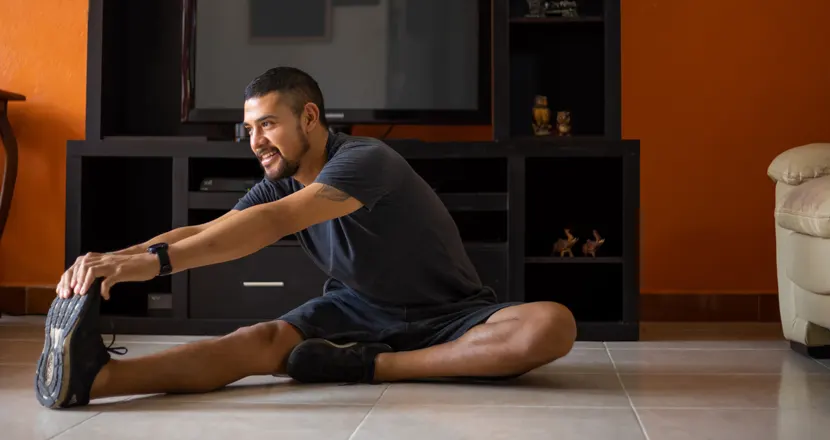
- Hamstring stretch for leg circulation
- Forward fold for upper-body blood movement
- Chest opener to improve breathing capacity
- Spinal twist to stimulate circulation
When Is the Best Time to Stretch for Circulation?
Stretching can be effective at different times depending on individual goals. Morning sessions help activate circulation after sleep, while evening stretching releases accumulated tension from daily activities.
Short sessions throughout the day are particularly useful for individuals who sit for long periods. Even brief movement breaks can encourage blood flow and prevent stiffness.
The key factor is consistency rather than duration. Regular gentle stretching produces better long-term results than occasional intense sessions.
Ideal Stretching Habits
- Stretch daily for 10–15 minutes
- Move slowly without forcing positions
- Focus on steady breathing
- Stretch after long sitting periods
- Maintain relaxed posture during movements
Stretching Compared to Other Blood Flow Exercises
Cardio and strength training increase circulation through heart activity and muscle demand, while stretching improves circulation by removing physical restrictions.
This makes stretching an ideal complementary practice. Combining gentle mobility work with aerobic exercise often produces balanced circulation benefits.
Stretching also serves as an effective recovery tool, helping muscles relax after workouts and supporting faster recovery.
Why Stretching Is Easy to Maintain
- Requires no equipment
- Suitable for beginners
- Low injury risk
- Can be done at home
- Supports recovery and relaxation
Conclusion
Stretching is a simple yet powerful way to support healthy circulation naturally. By improving flexibility, reducing muscle tension, and encouraging relaxation, stretching helps blood move more efficiently throughout the body.
For men focusing on improving circulation and overall vitality, incorporating daily stretching can provide steady long-term benefits. Rather than replacing other exercises, stretching strengthens the foundation of movement and supports overall vascular health.
With consistent practice, small daily stretches can lead to meaningful improvements in comfort, mobility, and physical performance.





 This article changed my life!
 This article was informative.
 I have a medical question.
 This article contains incorrect information.
 This article doesn’t have the information I’m looking for.