Table Of Contents
Introduction
Testosterone is a vital hormone that affects muscle mass, strength, libido, and overall energy levels—especially in men over 40. As testosterone naturally declines with age, diet becomes a powerful tool to maintain and improve hormone levels.
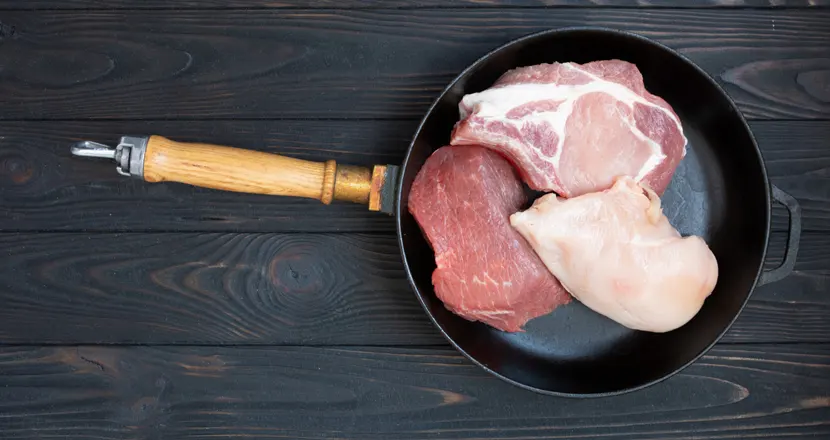
Chicken and meat are among the most effective dietary sources for supporting testosterone production. They are rich in high-quality protein, essential fats, zinc, and other key nutrients required for hormone synthesis.
In this guide, we’ll explore how chicken and meat impact testosterone levels, the best types to include in your diet, and how to maximize their benefits for long-term health.
Key Highlights
- Chicken and meat are rich in protein, zinc, and healthy fats
- These nutrients are essential for testosterone production
- Lean meats support muscle growth and hormone balance
- Red meat provides zinc, a key testosterone-boosting mineral
- Best results come with a balanced diet and active lifestyle
- Improvements can be seen within weeks
How Chicken & Meat Support Testosterone
Protein-rich foods like chicken and meat provide essential nutrients that directly influence testosterone production.
Key Nutrients in Chicken & Meat
Protein
- Supports muscle growth and recovery
- Helps maintain a healthy metabolism
Zinc
- Essential for testosterone synthesis
- Deficiency can lead to low testosterone
Healthy Fats
- Required for hormone production
- Improve energy levels
Vitamin B Complex
- Supports energy metabolism
- Helps maintain hormonal balance
These nutrients make chicken and meat an important part of a testosterone-supporting diet.
Best Types of Meat for Testosterone
Choosing the right types of meat is crucial for maximizing benefits.
1. Chicken Breast
- Lean protein source
- Supports muscle growth without excess fat
2. Lean Red Meat
- High in zinc
- Supports testosterone production
3. Turkey
- Rich in protein and nutrients
- Supports hormone health
4. Grass-Fed Beef
- Higher in healthy fats
- Better nutrient profile
5. Liver (Organ Meat)
- Extremely nutrient-dense
- Rich in vitamins and minerals
Meat Consumption Tips for Maximum Benefits
Best Practices
- Choose lean, high-quality meat
- Avoid processed meats
- Use healthy cooking methods (grilling, boiling, baking)
- Pair with vegetables for balanced nutrition
- Moderation and quality are key
Why Testosterone Levels Drop
Main Causes
- Aging (decline begins after 30)
- Poor diet
- Chronic stress (high cortisol)
- Lack of physical activity
- Poor sleep
- Obesity
These factors reduce the body’s ability to produce testosterone efficiently.
Proven Natural Ways to Boost Testosterone Along with Diet
1. Strength Training
- Boosts testosterone naturally
- Builds muscle mass
2. High-Intensity Exercise
- Enhances hormone production
- Improves metabolism
3. Get Quality Sleep
- 7–8 hours per night
- Essential for hormone balance
4. Reduce Stress
- Lowers cortisol
- Supports testosterone
5. Maintain Healthy Weight
- Reduces estrogen conversion
- Improves hormone balance
6. Sunlight Exposure
- Boosts vitamin D
- Supports testosterone production
How Long Does It Take to See Results?
Timeline for Results
- 2–3 weeks: Increased energy levels
- 4–6 weeks: Improved strength and mood
- 2–3 months: Noticeable hormonal improvement
When to Seek Medical Help
Warning Signs
- Persistent fatigue
- Low libido
- Depression or mood changes
- Muscle loss
Medical Options
- Testosterone testing
- Hormone therapy (TRT)
- Nutritional assessment
Conclusion
Chicken and meat are powerful dietary tools for boosting testosterone naturally. Rich in protein, zinc, and essential nutrients, they support hormone production, muscle growth, and overall health—especially for men over 40.
However, for the best results, combine a nutrient-rich diet with regular exercise, proper sleep, and stress management. These lifestyle changes can significantly improve testosterone levels and overall well-being.
Start incorporating high-quality meat into your diet to support your hormone health and maintain peak performance.






 This article changed my life!
 This article was informative.
 I have a medical question.
 This article contains incorrect information.
 This article doesn’t have the information I’m looking for.