Table Of Contents
Introduction
Testosterone is a vital hormone responsible for energy, muscle mass, libido, and overall vitality—especially in men over 40. As testosterone levels decline naturally with age, many individuals look for natural ways to support hormone production.
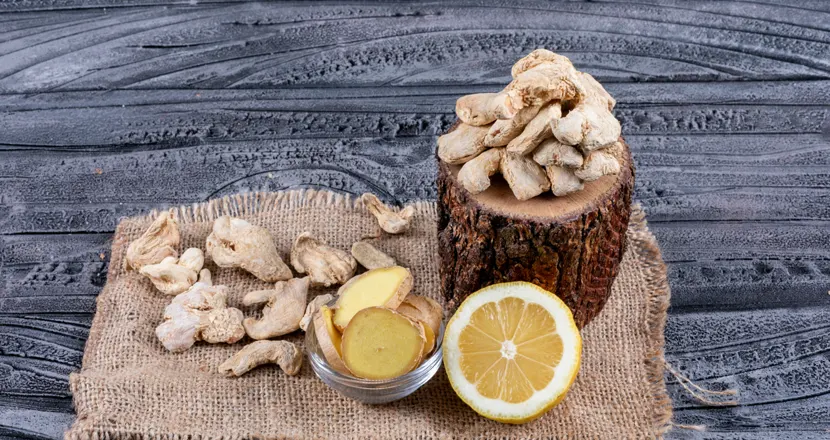
Ginger is a powerful medicinal root widely used in traditional medicine for its anti-inflammatory and antioxidant properties. In recent years, it has gained attention for its potential role in boosting testosterone levels naturally.
In this guide, we’ll explore the relationship between ginger and testosterone, how it works, and how you can include it in your routine to improve hormone health.
Key Highlights
- Ginger may support testosterone production naturally
- Helps reduce oxidative stress and inflammation
- Improves blood circulation and reproductive health
- May enhance luteinizing hormone levels
- Works best when combined with a healthy lifestyle
- Noticeable benefits can appear within weeks
How Ginger Affects Testosterone
Ginger supports testosterone production through multiple biological pathways that improve overall hormonal health.
Key Compounds in Ginger
Gingerol
- Main active compound in ginger
- Reduces inflammation
- Supports overall health
Antioxidants
- Protect cells from oxidative damage
- Support hormone-producing organs
Bioactive Compounds
- Improve blood flow
- Enhance metabolic function
These compounds help create an internal environment that supports testosterone production.
Scientific Evidence on Ginger and Testosterone
Several studies suggest that ginger may positively influence testosterone levels, particularly in men with certain deficiencies.
Key Findings
- Ginger may increase testosterone levels in some individuals
- Supports luteinizing hormone production, which stimulates testosterone
- Improves sperm health and reproductive function
- Reduces oxidative stress, which negatively impacts hormone production
While more large-scale human studies are needed, existing evidence supports ginger as a beneficial natural supplement.
Why Testosterone Levels Drop
Main Causes
- Aging (decline begins after 30)
- Chronic stress (high cortisol levels)
- Poor diet
- Lack of physical activity
- Poor sleep quality
- Obesity
These factors disrupt hormonal balance and reduce testosterone production.
How to Use Ginger for Testosterone Benefits
Best Ways to Consume Ginger
- Fresh ginger (raw or crushed)
- Ginger tea
- Powdered ginger in meals
- Ginger supplements (if needed)
Recommended Intake
- 1–3 grams per day
- Consistent daily use for best results
- Moderation is important to avoid digestive discomfort
Proven Natural Ways to Boost Testosterone Along with Ginger
1. Strength Training
- Boosts testosterone naturally
- Improves muscle mass
2. High-Intensity Exercise
- Enhances hormone production
- Improves metabolism
3. Eat a Balanced Diet
- Include healthy fats, lean protein, and whole foods
4. Get Quality Sleep
- 7–8 hours per night
- Essential for hormone regulation
5. Reduce Stress
- Lowers cortisol
- Supports testosterone
6. Maintain Healthy Weight
- Reduces estrogen conversion
- Improves hormone balance
7. Sunlight Exposure
- Boosts vitamin D
- Supports testosterone production
How Long Does It Take to See Results?
Timeline for Results
- 2–3 weeks: Improved energy and digestion
- 4–6 weeks: Better stamina and mood
- 2–3 months: Noticeable hormonal improvement
Natural approaches require consistency for noticeable benefits.
When to Seek Medical Help
Warning Signs
- Persistent fatigue
- Low libido
- Depression or mood swings
- Muscle loss
Medical Options
- Testosterone testing
- Hormone therapy (TRT)
- Nutritional and lifestyle assessment
Conclusion
Ginger is a powerful natural ingredient that can support testosterone levels by improving overall health, reducing inflammation, and enhancing hormone-related functions. While it may not act as a direct testosterone booster, it plays a crucial role in creating the right internal conditions for optimal hormone production.
For men over 40, combining ginger with a balanced diet, regular exercise, proper sleep, and stress management can lead to significant improvements in energy, strength, and overall well-being.
Incorporate ginger into your daily routine to naturally support testosterone and maintain long-term health.







 This article changed my life!
 This article was informative.
 I have a medical question.
 This article contains incorrect information.
 This article doesn’t have the information I’m looking for.