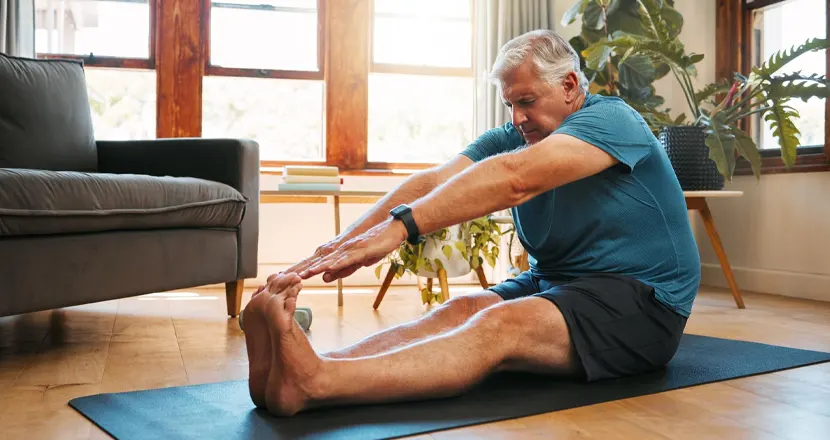
Table Of Contents
Introduction
Pelvic health plays a vital role in overall physical function, yet it is often overlooked in daily fitness routines. The pelvic region supports essential functions such as bladder control, core stability, and sexual performance. When muscles in this area become tight or weak, it can lead to discomfort, reduced mobility, and functional issues.
Stretching is one of the most effective and natural ways to support pelvic health. It helps release tension, improve flexibility, and enhance blood circulation in the pelvic region. Over time, consistent stretching can contribute to better muscle coordination and improved overall function.
This guide explains how stretching supports pelvic health and highlights effective exercises that can be easily incorporated into a daily routine.
Key Highlights
- Pelvic stretching improves flexibility and muscle balance
- Helps reduce tension and discomfort in the pelvic region
- Supports urinary control and core stability
- Enhances blood flow and overall function
- Works best when practiced consistently
Why Pelvic Health Matters
The pelvic floor is a group of muscles that support important organs such as the bladder and reproductive structures. These muscles also play a role in maintaining posture and stabilizing the core.
When the pelvic muscles are too tight or too weak, it can lead to issues such as discomfort, poor posture, and reduced performance in daily activities. Maintaining proper flexibility and strength in this area is essential for overall health and function.
Stretching helps restore balance by relaxing tight muscles and improving coordination between different muscle groups.
Benefits of Stretching for Pelvic Health
Improves Flexibility
Stretching helps lengthen tight muscles in the pelvic region, allowing for better movement and reduced stiffness.
Reduces Muscle Tension
Chronic tension in the pelvic area can lead to discomfort and restricted movement. Stretching helps release this tension gradually.
Enhances Blood Circulation
Improved blood flow delivers oxygen and nutrients to the muscles, supporting recovery and function.
Supports Core Stability
The pelvic floor works closely with core muscles. Improved flexibility enhances overall stability and balance.
Supports Urinary and Sexual Function
Healthy pelvic muscles contribute to better bladder control and improved sexual performance.
Best Stretching Exercises for Pelvic Health
Pelvic Floor Relaxation Stretch
This exercise focuses on releasing tension in the pelvic muscles.
Sit or lie comfortably and focus on slow, deep breathing. As you inhale, allow the pelvic area to relax. This simple practice helps reduce tightness and improves awareness of the pelvic muscles.
Child’s Pose
Child’s pose gently stretches the lower back and pelvic region.
Start on your knees, lower your hips toward your heels, and stretch your arms forward. This position helps release tension in the hips and pelvic floor.
Deep Squat Stretch
The deep squat helps open the hips and improve pelvic flexibility.
Lower your body into a squat position while keeping your feet flat. Hold the position while maintaining steady breathing. This stretch promotes better mobility in the pelvic area.
Hip Flexor Stretch
Tight hip flexors can affect pelvic alignment.
Step one foot forward into a lunge position while keeping the back leg extended. This stretch targets the front of the hips and supports better pelvic positioning.
Butterfly Stretch
The butterfly stretch focuses on the inner thighs and pelvic muscles.
Sit with the soles of your feet together and gently press your knees toward the ground. This helps open the hips and improve flexibility.
How Often Should You Stretch?
Consistency is more important than intensity when it comes to stretching for pelvic health. A short daily routine can provide better results than occasional longer sessions.
Practicing stretching exercises regularly helps maintain flexibility and prevents the buildup of tension. Over time, this leads to improved muscle balance and better overall function.
Common Mistakes to Avoid
One of the most common mistakes is forcing stretches beyond a comfortable range. This can lead to strain rather than improvement. Stretching should always be controlled and gradual.
Another mistake is inconsistency. Skipping sessions or practicing irregularly limits the benefits. It is also important to combine stretching with proper breathing techniques, as this helps the muscles relax more effectively.
When to Expect Results
Improvements from pelvic stretching are gradual and depend on consistency.
In the early stages, individuals may notice reduced tension and improved comfort. Over time, flexibility and muscle coordination improve, leading to better overall pelvic function.
Long-term practice supports sustained benefits and helps prevent future issues.
When to Seek Professional Guidance
While stretching is generally safe, certain symptoms may require professional evaluation. Persistent pain, severe discomfort, or ongoing functional issues should be assessed by a healthcare provider or specialist.
Guidance from a professional can help ensure that exercises are performed correctly and tailored to individual needs.
Conclusion
Stretching for pelvic health is a simple yet effective way to improve flexibility, reduce tension, and support overall function. By incorporating these exercises into a regular routine, it is possible to maintain better muscle balance and long-term pelvic health.



 This article changed my life!
 This article was informative.
 I have a medical question.
 This article contains incorrect information.
 This article doesn’t have the information I’m looking for.