Table Of Contents
Introduction
Yoga is increasingly recognized as a natural and effective way to support prostate health. By combining movement, controlled breathing, and relaxation, yoga helps improve blood circulation, reduce inflammation, and support hormonal balance—key factors that influence prostate function.
Many prostate-related issues are linked to poor circulation, prolonged sitting, and high stress levels. Yoga directly addresses these root causes by promoting better blood flow to the pelvic region and reducing physical and mental tension.
Incorporating simple yoga practices into your daily routine can help improve comfort, support urinary function, and contribute to overall well-being.
Key Highlights
- Yoga improves blood flow to the pelvic region
- Helps reduce stress and inflammation
- Supports urinary and prostate function
- Enhances flexibility and muscle control
- Works best when practiced consistently
How Yoga Supports Prostate Health
Yoga works by targeting several underlying factors that affect the prostate. One of the primary benefits is improved circulation. Many yoga poses gently stimulate blood flow to the pelvic area, ensuring that the prostate receives adequate oxygen and nutrients.
In addition to circulation, yoga helps reduce stress. Chronic stress can disrupt hormonal balance and contribute to inflammation, both of which negatively impact prostate health. Through breathing exercises and relaxation techniques, yoga helps regulate the nervous system and promote recovery.
Yoga also strengthens pelvic muscles, which play a role in urinary control. Improved muscle tone in this area can help reduce symptoms such as weak flow or frequent urination.
Best Yoga Poses for Prostate Health
Bridge Pose (Setu Bandhasana)
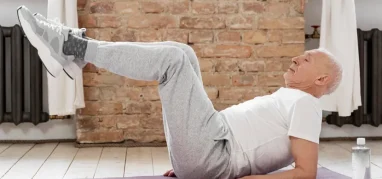
Bridge pose helps stimulate blood flow to the pelvic region and strengthens lower body muscles. It gently activates the prostate area and supports circulation.
To perform this pose, lie on your back with knees bent and feet flat on the ground. Slowly lift your hips upward while keeping your shoulders grounded. Hold for a few seconds before lowering back down.
Cobra Pose (Bhujangasana)
Cobra pose stretches the abdominal region and improves circulation to the lower body. It also helps reduce stiffness caused by prolonged sitting.
Lie face down, place your hands under your shoulders, and gently lift your chest upward while keeping your lower body relaxed.
Child’s Pose (Balasana)
Child’s pose is a restorative position that helps relax the pelvic muscles and reduce tension. It is especially beneficial for stress reduction.
Kneel on the floor, sit back on your heels, and stretch your arms forward while lowering your torso.
Butterfly Pose (Baddha Konasana)
This pose opens the hips and improves blood flow to the pelvic region. It also helps reduce stiffness and supports flexibility.
Sit upright, bring the soles of your feet together, and gently press your knees toward the ground.
Legs Up the Wall (Viparita Karani)
This pose promotes circulation and relaxation. It allows blood to flow easily toward the pelvic area and reduces pressure on the lower body.
Lie on your back with your legs extended upward against a wall, keeping your body relaxed.
Breathing Techniques for Prostate Support
Breathing plays a crucial role in yoga and overall health. Deep, controlled breathing improves oxygen delivery and helps relax the body.
Practices such as diaphragmatic breathing can reduce stress and support better circulation. Slow breathing also helps calm the nervous system, which contributes to improved hormonal balance.
Regular breathing exercises can complement physical poses and enhance their benefits.
How Often Should You Practice Yoga?
Consistency is key when using yoga to support prostate health. Practicing for even 15–20 minutes daily can produce noticeable benefits over time.
A regular routine helps maintain circulation, reduce tension, and improve flexibility. It is more effective to practice consistently at a moderate level than to perform intense sessions occasionally.
Additional Lifestyle Support
While yoga is effective, combining it with other healthy habits enhances results. A balanced diet, proper hydration, and regular physical activity all contribute to better prostate health.
Reducing prolonged sitting is especially important, as inactivity can negatively impact circulation. Taking short breaks to move throughout the day can complement yoga practice.
When to Expect Results
Yoga provides gradual improvements rather than immediate results. In the early stages, you may notice reduced tension and better relaxation.
With consistent practice over several weeks, improvements in flexibility, circulation, and comfort may become more noticeable. Long-term practice supports sustained prostate health and overall well-being.
Common Mistakes to Avoid
- Expecting quick results without consistency
- Performing poses incorrectly, reducing effectiveness
- Skipping warm-ups or ignoring breathing techniques
Paying attention to proper form and relaxation is essential for achieving results.
Conclusion
Yoga is a simple yet powerful way to support prostate health by improving circulation, reducing stress, and strengthening pelvic muscles. When practiced consistently, it can help manage symptoms and enhance overall comfort.
Combining yoga with healthy lifestyle habits creates a well-rounded approach that supports long-term prostate function and overall wellness.



 This article changed my life!
 This article was informative.
 I have a medical question.
 This article contains incorrect information.
 This article doesn’t have the information I’m looking for.