 By Lisa Davis
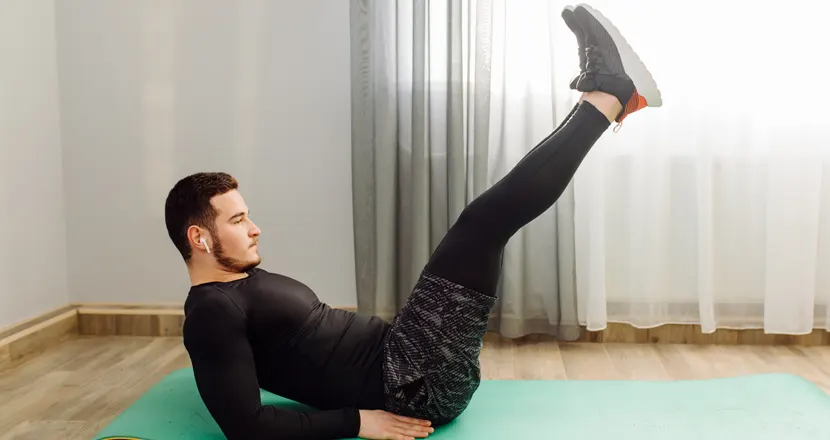
Table of Content
Introduction:
Prostate health is often associated with diet and supplements, but physical activity plays an equally important role. Regular movement enhances blood circulation, reduce inflammation, and support hormonal balance all of which are essential for maintaining a healthy prostate.
Many men experiencing urinary discomfort or early signs of prostate enlargement are now turning to prostate exercises as a natural and effective way to manage symptoms. Unlike temporary solutions, exercise works at a deeper level by improving overall body function and supporting long-term wellness.
Key Highlights
- Exercise helps keep the prostate healthy and support better urinary flow.
- Pelvic floor exercises (Kegels) can help strengthen bladder control in men.
- Yoga, walking, and stretching helps in better blood circulation and reduce pelvic tension.
- Regular workouts may naturally help manage enlarged prostate symptoms in men.
- Combining exercise with a nutritious diet and proper hydration may offer the best results.
How Exercise Impacts the Prostate
Improved Blood Circulation
One of the key benefits of physical activity is enhanced blood flow. Proper circulation ensures that the prostate receives adequate oxygen and nutrients, which helps maintain healthy tissue function and reduces the risk of inflammation.
Hormonal Balance and Metabolism
Exercise also plays a crucial role in regulating hormones, including testosterone. Balanced hormone levels help reduce the risk of prostate enlargement and support overall reproductive health.
Inflammation Reduction
Chronic inflammation is a major contributor to prostate issues. Regular exercise helps lower inflammatory markers in the body, creating a healthier internal environment.
Best Exercises for Enlarged Prostate (BPH):
Different types of physical activity offer unique benefits. A combination of exercises is often the most effective approach.
Pelvic Floor Exercises (Kegels)
Pelvic floor exercises strengthen the muscles that support the bladder and prostate. These exercises are particularly useful for improving urinary control and reducing leakage.
Aerobic Exercises
Activities such as walking, jogging, and cycling helps cardiovascular health and circulation. They also help maintain a healthy weight, which is important for prostate function.
Strength Training
Resistance exercises help build muscle mass and balance hormone levels. They also support metabolic health, which is closely linked to prostate health.
Yoga and Stretching
Yoga helps reduce stress and improve flexibility. It also enhances blood flow to the pelvic region, supporting prostate function.
Exercises to Improve Urine Flow Naturally
Weak urine flow is a common concern among men experiencing prostate enlargement or pelvic floor weakness. Certain exercises results in managing urinary function naturally by supporting muscle control and healthy blood circulation.
Pelvic floor exercises, walking, gentle squats, and stretching routines can also strengthen muscles involved in bladder control. Staying physically active may also help reduce pressure around the urinary tract.
Pelvic Floor Training
Pelvic floor exercises supports men strengthening muscles responsible for bladder support and urinary control. Performing Kegels daily also improve urine flow over time.
Low-Impact Cardio
Activities such as brisk walking, swimming, and cycling in moderation helps in increasing circulation and support prostate wellness.
7-Day Beginner Prostate Exercise Routine
Following a simple weekly exercise plan may help men stay consistent with prostate-supporting activities.
| Day | Exercise | Duration |
|---|---|---|
| Monday | Walking + Kegels | 20–30 Minutes |
| Tuesday | Yoga Stretching | 15–20 Minutes |
| Wednesday | Swimming or Light Cardio | 30 Minutes |
| Thursday | Pelvic Floor Exercises | 15 Minutes |
| Friday | Walking + Stretching | 30 Minutes |
| Saturday | Light Strength Training | 20 Minutes |
| Sunday | Recovery Walk + Relaxation | 20 Minutes |
Exercises to Avoid Prostate Problems
While regular physical activity may support prostate health, certain exercises may worsen discomfort in some men, especially those experiencing prostate enlargement or pelvic pain.
Prolonged Cycling
Extended cycling sessions may place pressure on the pelvic area and prostate gland. Using a prostate-friendly bike seat can reduce discomfort.
Heavy Weightlifting
Excessive straining during heavy lifting may increase abdominal pressure and worsen urinary symptoms in some individuals.
Long Periods of Sitting
Sitting for extended periods may reduce circulation around the pelvic region. Taking regular walking breaks can optimize better blood flow.
How Long Do Prostate Exercises Take to Work?
The results of prostate exercises may vary depending on age, fitness level, consistency, and the severity of symptoms. Some men may notice improvements in bladder control and urinary function within a few weeks of regular exercise.
Pelvic floor exercises such as Kegels often require at least 4 to 8 weeks of consistent practice before noticeable improvements occur. Combining exercise with a healthy lifestyle supports long-term prostate wellness.
The Role of Consistency in Exercise
Exercise is not a one-time solution—it requires consistency. Regular physical activity creates gradual momentum in circulation, hormone balance, and inflammation control.
Men who maintain a consistent routine often experience better urinary function, reduced discomfort, and experience overall well being. Even moderate exercise can deliver significant benefits when practiced regularly.
Weight Management and Prostate Health
Excess body weight is linked to increased inflammation and hormonal imbalance, both of which can worsen prostate symptoms. Exercise helps manage weight effectively, reducing the strain on the body.
Maintaining a healthy weight also improves metabolic health, which plays a role in regulating prostate function. This makes physical activity a key component of any prostate health plan.
Combining Exercise with Lifestyle Changes
While exercise is powerful on its own, it becomes even more effective when combined with other healthy habits. Diet, hydration, sleep, and stress management all contribute to better results.
A balanced lifestyle supports the body’s ability to respond to exercise, creating a more comprehensive approach to prostate health.
Lifestyle Habits That Enhance Results
- Eat a nutrient-rich, balanced diet
- Stay hydrated throughout the day
- Maintain a consistent sleep schedule
- Manage stress through relaxation techniques
- Avoid prolonged sitting
How Long Does It Take to See Results?
The benefits of exercise are gradual. Some individuals may notice rise in energy and better urinary function within a few weeks, while more significant changes may take a few months.
The timeline depends on factors such as consistency, intensity, and overall health. Staying committed to a routine is essential for achieving lasting results.
When Should You Be Cautious?
Precautions to Consider
- Avoid high-impact exercises if you experience discomfort
- Start slowly and increase intensity gradually
- Consult a healthcare professional if needed
- Stop exercising if you feel pain or unusual symptoms
Conclusion:
Physical activity is one of the most effective and natural ways to support prostate health. By improving circulation, reducing inflammation, and balancing hormones, exercise addresses many of the root causes of prostate issues.
Incorporating prostate exercises into your daily routine doesn’t require drastic changes small, consistent efforts can lead to meaningful improvements. Over time, this approach not only supports prostate function but also enhances overall health and quality of life.





 This article changed my life!
 This article was informative.
 I have a medical question.
 This article contains incorrect information.
 This article doesn’t have the information I’m looking for.