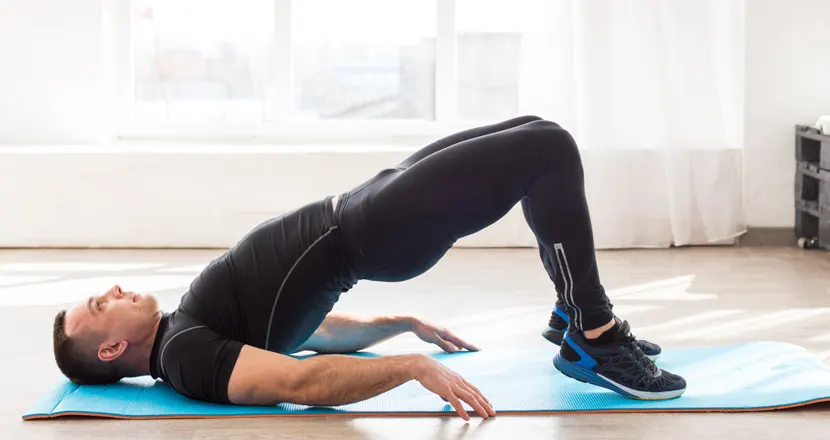
What Are Kegel Exercises for Men?
Kegel exercises are pelvic floor muscle exercises designed to strengthen the muscles that support the bladder, bowel, and prostate. These muscles form a supportive layer at the bottom of the pelvis and play an important role in urinary control, prostate health, and sexual function.
For men, Kegel exercises are commonly recommended to:
- Improve bladder control
- Reduce urine leakage
- Support recovery after prostate surgery
- Improve pelvic muscle strength
- Support erectile function
The exercises involve tightening and relaxing the pelvic floor muscles in a controlled manner. They do not require equipment and can be performed almost anywhere.
According to NCBI research, pelvic floor muscle training is widely used for urinary continence rehabilitation and pelvic floor dysfunction management in men.
Male Pelvic Floor Muscles and the Prostate
The pelvic floor is a group of muscles and connective tissues stretching from the pubic bone to the tailbone. These muscles support several organs, including:
- The bladder
- The bowel
- The urethra
- The prostate gland
The prostate sits directly below the bladder and surrounds part of the urethra, which carries urine out of the body. Because of this close relationship, prostate problems often affect urinary function.
The pelvic floor muscles help:
- Control urine flow
- Support bladder emptying
- Assist erectile function
- Support ejaculation
- Stabilize the pelvis
Important pelvic floor muscles include:
Weakness or dysfunction in these muscles may contribute to urinary leakage and prostate-related urinary symptoms.
Understanding the Prostate and Urinary Function
The prostate is a small gland involved in male reproductive health. It produces part of the fluid found in semen and surrounds the urethra near the bladder.
As men age, the prostate may enlarge, a condition called benign prostatic hyperplasia (BPH). An enlarged prostate can place pressure on the urethra and interfere with normal urine flow.
Common Prostate-Related Urinary Symptoms
- Frequent urination
- Weak urine stream
- Difficulty starting urination
- Dribbling after urination
- Feeling the bladder is not fully empty
- Nighttime urination
Kegel exercises do not shrink the prostate itself, but they may help strengthen the muscles supporting bladder control and urinary function.
Signs of Weak Pelvic Muscles in Men
Weak pelvic floor muscles may develop gradually because of aging, inactivity, obesity, chronic coughing, constipation, heavy lifting, or prostate surgery.
Many men first notice pelvic floor weakness through urinary symptoms.
Common Signs Include
- Urinary leakage
- Dribbling after urination
- Frequent urge to urinate
- Reduced erection quality
- Pelvic heaviness
- Difficulty controlling gas
- Weak bladder control during coughing or sneezing
Pelvic floor weakness is especially common after prostate surgery because the surrounding muscles and tissues may temporarily lose strength or coordination.
NCBI research shows pelvic floor dysfunction is strongly linked to urinary incontinence after prostate procedures.
Why Would Men Do Kegel Exercises for Prostate Health?
Kegel exercises are often recommended for men dealing with prostate-related urinary symptoms or recovery after prostate surgery.
Doctors may suggest pelvic floor muscle training to:
- Improve bladder control
- Reduce urine leakage
- Support recovery after radical prostatectomy
- Improve pelvic muscle coordination
- Support urinary continence after prostate treatment
Men recovering from prostate surgery may experience temporary urinary incontinence because the muscles surrounding the bladder and prostate become weaker after the procedure.
Research published through NCBI found pelvic floor muscle training may help men regain urinary continence faster after prostate surgery.
Benefits of Kegels for Prostate and Pelvic Health
Kegel exercises may provide multiple urinary, pelvic, and sexual health benefits when practiced consistently.
Potential Benefits
- Better bladder control
- Reduced urine leakage
- Less post-urination dribbling
- Improved pelvic muscle strength
- Better support after prostate surgery
- Improved urinary continence
- Enhanced pelvic stability
Some men with mild urinary symptoms from prostate enlargement may also experience improved pelvic muscle support and bladder control.
Research suggests pelvic floor muscle exercises may improve quality of life in men with post-prostate surgery urinary incontinence.
How Kegels Affect Sexual Performance
The pelvic floor muscles play an important role in erections and ejaculation. These muscles help maintain blood flow inside the penis during arousal and contract rhythmically during orgasm.
Weak pelvic floor muscles may contribute to:
- Reduced erection firmness
- Premature ejaculation
- Lower sexual confidence
- Reduced orgasm intensity
Pelvic floor training may help improve muscle control and pelvic circulation, which may support sexual performance in some men.
Possible Sexual Health Benefits
- Better erection support
- Improved erection endurance
- Better ejaculation control
- Increased pelvic awareness
- Improved orgasm sensation
An NCBI clinical study found pelvic floor exercises improved erectile dysfunction symptoms in some men when combined with lifestyle changes.
How to Find Your Pelvic Floor Muscles
Before performing Kegels, it is important to identify the correct muscles.
Method 1: Stop Urine Briefly
While urinating, try briefly stopping the flow of urine. The muscles used to do this are your pelvic floor muscles.
This method should only be used for muscle identification and not as a daily exercise.
Method 2: Tighten the Muscles That Prevent Gas
Imagine trying to stop passing gas. The muscles you tighten around the anus and pelvic area are part of the pelvic floor.
You Should Feel
- A gentle lifting sensation
- Tightening inside the pelvis
- Mild contraction near the base of the penis
Avoid
- Holding your breath
- Tightening your thighs
- Over-squeezing the buttocks
- Excessive abdominal tension
NCBI guidance emphasizes proper muscle identification for effective pelvic floor rehabilitation.
For best results, focus on tightening only your pelvic floor muscles. Try not to flex the muscles in your stomach area, thighs or buttocks. And don’t hold your breath. — Mayo Clinic Experts
How Do I Know If I’m Doing Male Kegels Correctly?
Many men accidentally use the wrong muscles when starting pelvic floor exercises. Proper Kegel exercises should feel controlled and internal rather than forceful.
Signs You Are Doing Kegels Correctly
- You can breathe normally
- Your stomach stays mostly relaxed
- You feel lifting rather than pushing
- The contraction feels internal
- You can fully relax between repetitions
Common Mistakes
- Holding the breath
- Tightening the buttocks too hard
- Using thigh muscles
- Overtraining the pelvic floor
- Rushing through repetitions
If you cannot identify the correct muscles, a pelvic floor physiotherapist may help evaluate your technique.
How to Do Kegel Exercises CORRECTLY: For MEN
How to Do Kegel Exercises CORRECTLY: For MEN
Common Mistakes Men Make During Kegels
Include:
- Using stomach muscles
- Holding breath
- Overtraining
- Doing Kegels while urinating repeatedly
- Not relaxing muscles fully
How Do I Do a Kegel Exercise?
Kegel exercises can be performed while lying down, sitting, or standing. Beginners often find it easiest to start lying down because the body is more relaxed.
Basic Kegel Exercise Steps
- Tighten the pelvic floor muscles gently.
- Hold the contraction for 3–5 seconds.
- Relax completely for 3–5 seconds.
- Repeat 10 times.
As strength improves, gradually increase the hold time to 10 seconds.
The goal is controlled muscle activation without straining.
How Often Should Men Do Kegel Exercises?
Consistency is important for pelvic floor strengthening.
Most experts recommend:
- 10–15 repetitions
- 2–3 sessions daily
Some men notice bladder control improvements within a few weeks, while recovery after prostate surgery may require several months of consistent pelvic floor training.
When Should I Do the Kegel Exercises?
Kegel exercises can easily fit into a daily routine because they do not require special equipment.
Good Times to Practice
- While sitting at a desk
- During television breaks
- After brushing your teeth
- While driving
- Before coughing or sneezing
- Before lifting heavy objects
Linking Kegels to regular habits may improve consistency.
What Are the Disadvantages of Kegel Exercises for Men?
Kegel exercises are generally safe, but excessive training or poor technique may create pelvic tension.
Possible Disadvantages
- Pelvic muscle tightness
- Pelvic discomfort
- Muscle fatigue
- Difficulty relaxing pelvic muscles
- Increased urinary urgency in some cases
Men with chronic pelvic pain syndrome or overactive pelvic floor muscles should seek medical advice before beginning intensive pelvic floor exercises.
NCBI research notes that pelvic floor dysfunction may involve both muscle weakness and excessive muscle tension.
When to See a Doctor About Prostate or Pelvic Symptoms
You should consult a healthcare professional if you experience:
- Persistent urinary leakage
- Blood in urine
- Difficulty urinating
- Severe pelvic pain
- Erectile dysfunction
- Pain after prostate surgery
- Weak urine stream
- Frequent nighttime urination
A doctor may evaluate prostate health, bladder function, and pelvic floor strength to determine the most appropriate treatment plan.
Conclusion
Kegel exercises are a simple, safe, and effective way for men to strengthen the pelvic floor muscles that support the bladder, bowel, and prostate. Regular pelvic floor training may help improve bladder control, reduce urinary leakage, and minimize post-urination dribbling. These exercises are often recommended for men recovering from prostate surgery because they can support urinary continence and pelvic muscle rehabilitation. Kegels may also benefit sexual health by improving the muscle function involved in erections and ejaculation. Although they do not treat prostate disease or reduce prostate enlargement, they can help manage some of the urinary symptoms associated with prostate-related conditions. Consistent practice and proper technique are essential for achieving the best results. Because the exercises require no equipment and can be performed almost anywhere, they are easy to incorporate into a daily routine. Men who experience persistent urinary problems, pelvic pain, or significant prostate symptoms should seek medical advice for a proper evaluation. When used as part of an overall approach to men’s health, Kegel exercises can play an important role in maintaining pelvic strength, bladder control, and quality of life.
Frequently Asked Questions
Q. Are Kegel exercises good for men with prostate problems?
Q.Can Kegel exercises help after prostate surgery?
Q.How long does it take to see results from Kegel exercises?
Q.Can Kegel exercises improve erectile function?
Q. How many Kegel exercises should men do each day?
Most experts recommend performing 10–15 repetitions per session, two to three times daily. Consistency is generally more important than intensity.
Q. Can I do Kegel exercises while urinating?
Q.What are the signs of weak pelvic floor muscles in men?
Q.Are Kegel exercises safe for all men?
Q.Can Kegels help with an enlarged prostate (BPH)?
Q. When should I see a doctor about urinary or prostate symptoms?


Lisa Davis has two decades of experience as a health educator and a broadcaster. She has worked as an in a variety of settings as a health educator in the realm of sex, HIV, and Hepatitis C as well as a personal trainer and health coach. With a master’s degree in public health, she is a creator, host, and producer of the syndicated It’s Your Health radio heard on regional NPR as well as host/producer of Talk Healthy Today by AIM Media (of Clean Eating, Vegetarian Times, and Better Nutrition magazines). She is host/producer of Naturally Savvy Radio heard online on RadioMD, iHeart Radio Talk, TuneIn, Stitcher, iTunes, UberRadio, and TalkStreamLive. In addition to her radio work, Lisa is an emotional support coach for both TelemedVip and on season 2 of the hit Docu-reality series Reversed on The Discovery Life Channel coming in Fall 2018. In addition to developing radio shows, Lisa has created, produced, and hosted health television shows. Her first show, Health Power was seen on KRUZ-TV in California. She was also a regular contributor to Carol Alt’s national health TV show on FOX News Channel A Healthy You Her book, Clean Eating, Dirty Sex: Sensual Superfoods and Aphrodisiac Practices for Ultimate Sexual Health comes out in January 2019. Her first book, Easy to Love but Hard to Live With: Real People, Invisible Disabilities, True Stories came out in 2014. Reach out to her through her Facebook.





 This article changed my life!
 This article was informative.
 I have a medical question.
 This article contains incorrect information.
 This article doesn’t have the information I’m looking for.