Table Of Contents
Introduction
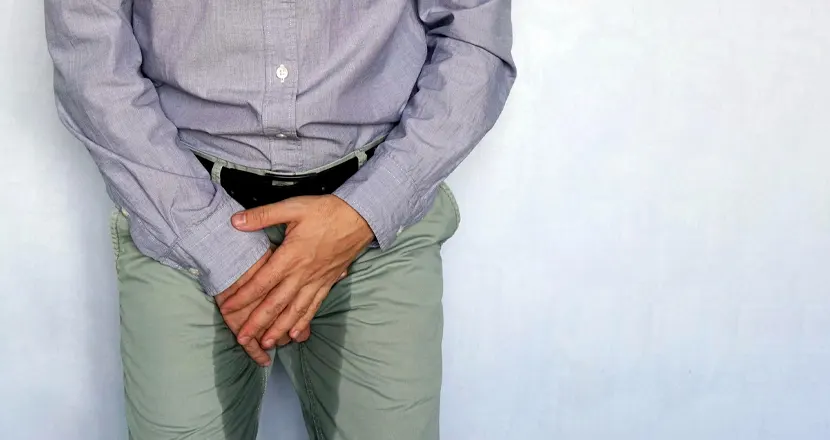
Many men searching for frequent urination prostate symptoms are often experiencing early signs of a prostate-related issue. This symptom is especially common after the age of 40 and may gradually become more noticeable over time.
The prostate gland sits just below the bladder and surrounds the urethra, which is the tube that carries urine out of the body. When the prostate becomes enlarged or inflamed, it can press against the urethra and interfere with normal urine flow. This often creates repeated urges to urinate during the day and may also cause waking up several times at night.
For many men, this starts as a mild inconvenience but can eventually affect sleep quality, comfort, and day-to-day productivity. Understanding why frequent urination and prostate issues are linked is the first step toward finding the right treatment.
Key Highlights
- Frequent urination is often linked to an enlarged prostate (BPH)
- Nighttime urination may indicate prostate pressure on the bladder
- Weak stream and urgency are commonly associated symptoms
- Prostatitis can also cause frequent urination with discomfort
- Early treatment helps prevent urinary retention and bladder issues
Why Does the Prostate Cause Frequent Urination?
The most common cause behind this symptom is benign prostatic hyperplasia (BPH), also known as an enlarged prostate.
As men age, the prostate naturally grows in size. Since the urethra runs directly through the center of the prostate, even a slight enlargement can narrow the passage through which urine flows.
This narrowing makes it harder for the bladder to empty. As a result, the bladder muscles work harder and may become more sensitive over time. This sensitivity often causes repeated urges to urinate, even when only a small amount of urine is present.
What Do Frequent Urination and Prostate Symptoms Mean?
In most cases, frequent urination and prostate symptoms indicate that the prostate is affecting normal bladder function.
The most common associated symptoms include a feeling of urgency, weak urine flow, or the sensation that the bladder is not empty after urinating.
When residual urine remains in the bladder, it creates the need to urinate again sooner than normal. This repeated cycle is particularly common in men with an enlarged prostate and may worsen over time if left untreated.
Other Symptoms That May Occur
Frequent urination caused by prostate issues rarely occurs alone. In many cases, it appears alongside other lower urinary tract symptoms that help indicate whether the issue is linked to BPH or inflammation.
- Weak urine stream
- Difficulty starting urination
- Urgent need to urinate
- Waking up multiple times at night
- Incomplete bladder emptying
- Dribbling after urination
These symptoms often progress slowly, which is why many people ignore them in the early stages.
Could It Be Prostatitis Instead?
Not every case of frequent urination is caused by an enlarged prostate. In some men, the issue may be due to prostatitis, which refers to inflammation or infection of the prostate gland.
Unlike BPH, prostatitis may cause urinary symptoms along with pain or discomfort. Men with this condition often report burning while urinating, pelvic pain, pressure in the lower abdomen, or pain during ejaculation.
This form of prostate irritation can affect younger and middle-aged men as well, making it important not to assume the symptom is purely age-related.
Because both conditions can present with frequent urination, proper diagnosis is essential.
When Should You See a Doctor?
Frequent urination should not be ignored if it continues for several days or starts affecting sleep and daily life.
You should seek medical advice if the symptom is persistent, worsening, or accompanied by other warning signs such as blood in urine, pain, or difficulty passing urine.
In some cases, untreated prostate enlargement can lead to urinary retention, bladder damage, recurrent urinary tract infections, or even kidney complications.
Early evaluation helps rule out more serious conditions and allows treatment to begin before symptoms become severe.
How Frequent Urination Prostate Symptoms Are Diagnosed and Treated
If frequent urination continues for more than a few days or starts affecting sleep and daily comfort, it’s important to identify whether the prostate is the underlying cause.
Doctors typically begin with a review of your symptoms, including how often you urinate, whether the urge is stronger at night, and if you also notice a weak stream or incomplete bladder emptying.
A physical examination and urine test are commonly used to rule out infections or other urinary tract concerns. In some cases, a PSA blood test, ultrasound, or urine flow study may be recommended to assess prostate size and how well the bladder is emptying.
Once the cause is confirmed, treatment is based on whether the issue is linked to an enlarged prostate (BPH), prostatitis, or another urinary condition.
For BPH, treatment often starts with medications that relax the prostate muscles and improve urine flow, helping reduce urgency and repeated bathroom visits.
If symptoms are more advanced, doctors may suggest minimally invasive procedures or surgery to relieve pressure on the urethra.
Helpful Lifestyle Changes
- Reduce caffeine and alcohol intake
- Avoid excessive fluids before bedtime
- Maintain a healthy body weight
- Stay physically active
Final Thoughts
Frequent urination and prostate problems are closely connected, particularly in aging men. Whether the cause is an enlarged prostate or prostatitis, this symptom should be taken seriously when it becomes persistent.
Early diagnosis can help relieve symptoms, improve sleep quality, and prevent long-term urinary complications.
If you are experiencing repeated urges to urinate, especially at night, getting your prostate evaluated is the best next step.








 This article changed my life!
 This article was informative.
 I have a medical question.
 This article contains incorrect information.
 This article doesn’t have the information I’m looking for.