
Table Of Contents
Introduction
Testosterone plays a critical role in men’s health, influencing energy levels, muscle growth, libido, and mental clarity. As men age—especially after 40—testosterone levels naturally decline, leading to various physical and psychological changes.
While exercise and sleep are essential, your diet—particularly the fruits you consume—can significantly impact testosterone production. Certain fruits are rich in antioxidants, vitamins, and minerals that support hormone balance and improve overall health.
In this guide, we’ll explore the best fruits for testosterone, why levels drop, and how to naturally boost your hormone levels through diet and lifestyle.
Key Highlights
- Fruits rich in antioxidants and vitamins support testosterone production
- Vitamin C and polyphenols help reduce cortisol and boost hormones
- Pomegranate, bananas, and berries are top testosterone-supporting fruits
- Diet, exercise, and sleep together improve testosterone levels
- Natural improvements can be seen within weeks
- Consistency is key for long-term hormone health
Why Testosterone Levels Drop
Main Causes
- Aging (decline starts after 30)
- Poor diet and nutrient deficiencies
- Chronic stress (high cortisol levels)
- Lack of physical activity
- Poor sleep quality
- Excess body fat
These factors can disrupt hormone production and reduce testosterone levels over time.
Best Fruits for Testosterone
1. Pomegranate
- Rich in antioxidants
- Helps reduce stress hormones
- May improve testosterone levels and blood flow
2. Bananas
- Contain bromelain enzyme
- Support energy and hormone production
- Provide potassium and vitamin B
3. Berries (Strawberries, Blueberries)
- High in antioxidants
- Protect cells from damage
- Support overall hormone health
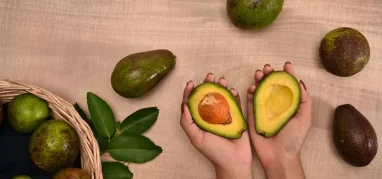
4. Avocados (Technically a Fruit)
- Rich in healthy fats
- Supports testosterone production
- Contains vitamin B6
5. Citrus Fruits (Oranges, Lemons)
- High in vitamin C
- Reduce cortisol levels
- Support immune and hormone health
6. Grapes
- Contain resveratrol
- May support testosterone production
- Improve blood circulation
7. Pineapple
- Rich in bromelain
- Supports hormone balance
- Helps reduce inflammation
8. Watermelon
- Improves blood flow
- Contains citrulline
- Supports overall sexual health
Fruits to Limit
Limit These
- Fruit juices with added sugar
- Overconsumption of high-sugar fruits
- Processed fruit products
Moderation is key for maintaining hormonal balance.
Natural Ways to Boost Testosterone
1. Strength Training
- Boosts testosterone naturally
- Improves muscle mass
2. High-Intensity Exercise
- Enhances hormone production
- Improves metabolism
3. Get Quality Sleep
- 7–8 hours per night
- Essential for hormone regulation
4. Reduce Stress
- Lowers cortisol
- Supports testosterone levels
5. Maintain Healthy Weight
- Reduces fat-related hormone imbalance
6. Sunlight Exposure
- Boosts vitamin D
- Supports testosterone production
How Long to See Results
Timeline for Results
- 2–3 weeks: Improved energy and mood
- 4–6 weeks: Better focus and stamina
- 2–3 months: Noticeable improvement in testosterone levels
When to Seek Medical Help
Warning Signs
- Persistent fatigue
- Low libido
- Depression or mood changes
- Loss of muscle mass
Medical Options
- Testosterone testing
- Hormone therapy (TRT)
- Nutritional assessment
Conclusion
Fruits can play a powerful role in supporting testosterone levels naturally, especially for men over 40. By incorporating nutrient-rich fruits like pomegranate, bananas, berries, and avocados into your daily diet, you can improve hormone balance, energy levels, and overall health.
However, for the best results, combine a healthy diet with regular exercise, quality sleep, and stress management. These small but consistent changes can lead to significant improvements in testosterone levels and overall well-being.





 This article changed my life!
 This article was informative.
 I have a medical question.
 This article contains incorrect information.
 This article doesn’t have the information I’m looking for.