Table Of Contents
Introduction
Testosterone plays a critical role in maintaining energy, muscle mass, libido, and overall well-being—especially for men over 40. While many focus on foods that boost testosterone, it’s equally important to understand which foods can harm your hormone levels.
Certain dietary choices can disrupt hormone production, increase estrogen, and elevate cortisol levels, all of which contribute to low testosterone. By identifying and avoiding these foods, you can take a major step toward restoring hormonal balance naturally.
In this guide, we’ll explore the most common foods to avoid for low testosterone, why they are harmful, and how to support healthy hormone levels through smarter lifestyle choices.
Key Highlights
- Processed foods and sugar are major testosterone killers
- Trans fats and unhealthy oils disrupt hormone production
- Excess alcohol lowers testosterone levels significantly
- Soy products may affect hormonal balance when consumed in excess
- Diet and lifestyle changes can improve testosterone naturally
- Avoiding harmful foods is as important as eating the right ones
Why Testosterone Levels Drop
Main Causes
- Aging (decline starts after 30)
- Poor diet and nutrient deficiencies
- Chronic stress (high cortisol levels)
- Lack of exercise
- Poor sleep quality
- Obesity
These factors create an environment where testosterone production is reduced.
Top Foods to Avoid for Low Testosterone
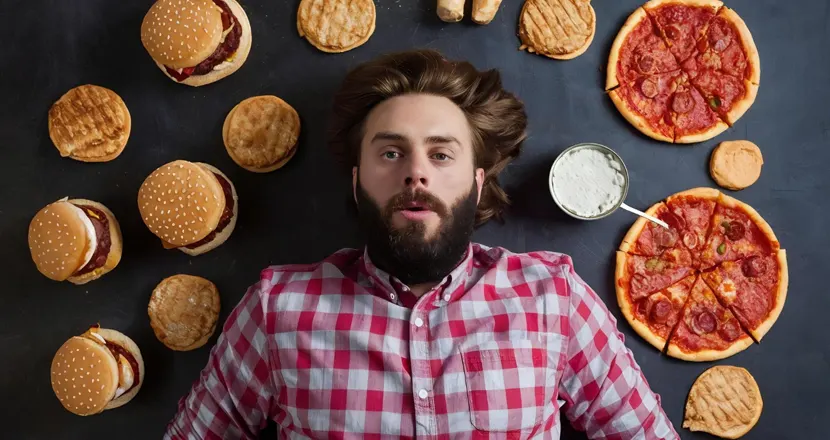
1. Processed Foods
- High in preservatives and unhealthy fats
- Disrupt hormone production
- Lead to weight gain and inflammation
2. Excess Sugar
- Causes insulin spikes
- Increases body fat
- Reduces testosterone levels
3. Trans Fats
- Found in fried and packaged foods
- Lower testosterone and increase bad cholesterol
4. Excess Alcohol
- Reduces testosterone production
- Affects liver function
- Disrupts hormonal balance
5. Soy Products (Excessive Intake)
- Contains phytoestrogens
- May mimic estrogen in the body
6. Refined Carbohydrates
- Found in white bread, pasta, and pastries
- Increase fat storage
- Negatively impact hormone levels
7. Processed Meats
- High in preservatives and sodium
- Linked to hormonal imbalance
8. Sugary Beverages
- High in empty calories
- Promote weight gain and insulin resistance
Hidden Sources That Lower Testosterone
Watch Out For
- Packaged snacks
- Fast food meals
- Artificial sweeteners
- Excess caffeine
Being mindful of these hidden sources is essential for maintaining hormonal health.
Proven Natural Ways to Boost Testosterone
1. Strength Training
- Boosts testosterone naturally
- Improves muscle mass
2. High-Intensity Exercise
- Enhances hormone production
- Improves metabolism
3. Eat a Balanced Diet
- Include healthy fats, lean protein, and whole foods
4. Get Quality Sleep
- 7–8 hours per night
- Essential for hormone regulation
5. Reduce Stress
- Lowers cortisol
- Supports testosterone
6. Maintain Healthy Weight
- Reduces estrogen conversion
- Improves hormone balance
7. Sunlight Exposure
- Boosts vitamin D
- Supports testosterone production
How Long Does It Take to See Results?
Timeline for Results
- 2–3 weeks: Improved energy and mood
- 4–6 weeks: Better hormonal balance
- 2–3 months: Significant improvement in testosterone levels
Consistency is key for lasting results.
When to Seek Medical Help
Warning Signs
- Persistent fatigue
- Low libido
- Depression or mood changes
- Muscle loss
Medical Options
- Testosterone testing
- Hormone therapy (TRT)
- Nutritional assessment
Conclusion
Understanding the foods to avoid for low testosterone is just as important as knowing what to eat. Poor dietary choices can significantly impact hormone levels, energy, and overall health—especially for men over 40.
By eliminating harmful foods like processed items, excess sugar, and unhealthy fats, and combining this with a healthy lifestyle, you can naturally support testosterone production and improve your quality of life.
Small changes in your daily diet can lead to powerful long-term results.





 This article changed my life!
 This article was informative.
 I have a medical question.
 This article contains incorrect information.
 This article doesn’t have the information I’m looking for.