Table Of Contents
Introduction
Frequent urination, weak urine flow, or waking up multiple times at night can quickly become frustrating. These symptoms are often linked to benign prostatic hyperplasia (BPH), where the prostate enlarges and affects daily comfort.
Many men look for ways to shrink an enlarged prostate naturally. While these methods may not significantly reduce its size, they can still help improve symptoms and overall comfort.
They work by:
- Reducing inflammation around the gland
- Improving urinary function
- Supporting hormone balance (especially DHT activity)
- Improving pelvic circulation
This distinction is important because it aligns with how medical sources describe BPH management.
Key Highlights
- Prostate enlargement is often age-related
- Natural strategies support symptom management
- Anti-inflammatory habits may help prostate comfort
- Exercise improves pelvic circulation
- Diet influences hormonal balance
- Medical evaluation remains essential
What Is an Enlarged Prostate (BPH)?
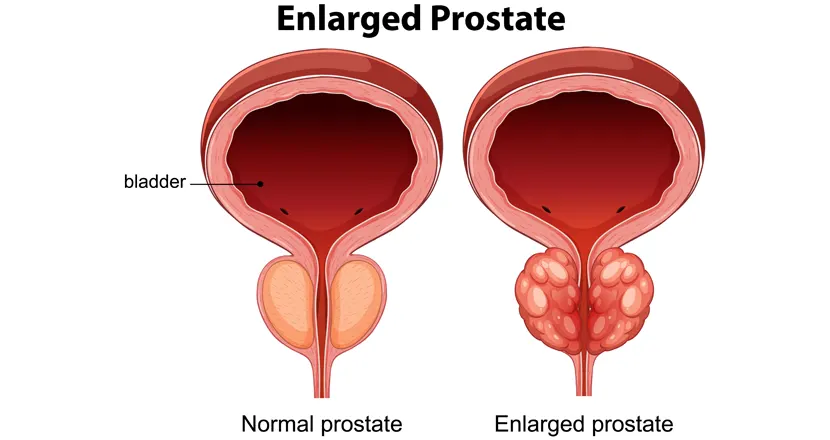
The prostate is a small gland located below the bladder and surrounding the urethra.
In benign prostatic hyperplasia (BPH), prostate cells gradually multiply, causing the gland to enlarge.
This enlargement can:
- Press against the urethra
- Restrict urine flow
- Cause bladder discomfort
BPH is one of the most common conditions in men over 50, and its progression is usually slow but persistent if lifestyle factors are not addressed.
Symptoms of Prostate Enlargement
Common symptoms include:
- Frequent urination (especially at night)
- Weak or interrupted urine stream
- Difficulty starting urination
- Dribbling after urination
- Sudden urge to urinate
- Feeling of incomplete bladder emptying
Symptoms often worsen gradually, which is why many men delay diagnosis until discomfort becomes frequent.
Causes of Prostate Enlargement
1. Hormonal Changes (DHT): Testosterone converts into DHT (dihydrotestosterone), which plays a key role in prostate cell growth. Higher sensitivity to DHT receptors in prostate tissue is believed to be one of the strongest drivers of enlargement.
2. Chronic Inflammation: Low-grade inflammation may contribute to swelling and tissue thickening.
3. Aging Process: Natural cellular changes affect how prostate cells grow and repair.
4. Lifestyle Factors: Sedentary lifestyle, poor diet, obesity, and high stress levels can contribute to inflammation and may worsen prostate-related symptoms over time.
These factors do not directly cause BPH but can significantly worsen symptoms and urinary discomfort.
Can You Shrink Prostate Naturally?
This is one of the most searched questions, and the answer must be realistic.
Natural approaches typically:
- Do NOT dramatically reduce prostate size
- CAN improve urinary symptoms
- CAN reduce inflammation pressure on the urethra
- CAN slow symptom progression in some cases
- Key idea: Natural methods support function, not structural reversal.
Natural Ways to Support Prostate Health
Lifestyle Habits
Natural prostate care begins with daily habits. Consistent lifestyle adjustments help address factors associated with inflammation and metabolic stress.
Regular movement encourages blood circulation in the pelvic region, helping tissues receive oxygen and nutrients efficiently. Maintaining a healthy weight reduces abdominal pressure that may worsen urinary symptoms.
Sleep quality also plays a role, as hormonal regulation occurs during rest. Poor sleep may contribute to hormonal imbalance linked to prostate growth, making it harder to shrink the prostate naturally over time.
Practical Lifestyle Tips:
- Limit fluids 2-3 hours before bedtime to reduce nighttime urination
- Avoid caffeine and alcohol — these can irritate the bladder and worsen BPH symptoms
- Avoid prolonged sitting — take standing breaks every 45-60 minutes
- Maintain a healthy weight — obesity, especially abdominal fat, increases BPH risk
- Eat plenty of fiber to prevent constipation, which can worsen urinary symptoms
- Get regular sunlight exposure to support natural vitamin D3 production
Diet for Prostate Health
Dietary choices strongly influence inflammatory responses within the body.
A nutrient-rich eating pattern supports cellular health and may assist individuals trying to shrink prostate naturally.
- Increasing vegetables rich in antioxidants
- Eating tomatoes containing lycopene
- Including omega-3 fatty acids from fish
- Choosing whole grains and fiber-rich foods
Adequate hydration supports bladder function and may reduce urinary irritation, further contributing to overall prostate comfort.
Foods to Limit or Avoid:
- Red and processed meats: increase inflammatory markers
- Dairy (in excess): some studies link high dairy intake to increased BPH risk
- Caffeine and alcohol: bladder irritants that worsen urinary symptoms
- Refined carbohydrates and sugar: contribute to insulin resistance, a BPH risk factor
- Spicy foods: may irritate the bladder in some men
Exercise and Pelvic Function
Physical activity improves circulation, metabolism, and hormone balance.
Activities such as walking, stretching, and low-impact strength training promote healthy blood flow without excessive strain.
Consistency is more important than intensity.
Recommended Exercise:
- Brisk walking (30 min/day, 5 days/week)
- Kegel exercises for bladder control
- Swimming or cycling (low-impact)
- Yoga and stretching
Avoid prolonged cycling on narrow saddles this can increase pelvic pressure
Stress and Hormonal Balance
Chronic stress can influence hormone production and inflammatory responses. Elevated stress hormones may indirectly affect prostate health by disrupting normal body regulation.
Helpful practices:
- Meditation
- Breathing exercises
- Yoga
- Outdoor walking
Managing stress supports multiple systems involved in prostate wellness.
Sleep and Prostate Health
Sleep plays a key role in hormonal regulation. Poor sleep may contribute to imbalances linked to prostate growth and symptom progression.
Improving sleep quality supports overall recovery and prostate function.
Key Supplements for Prostate Health
Several plant-based compounds have been studied for prostate health support:
- Saw Palmetto Extracts: May inhibit DHT conversion (mixed evidence)
- Beta-sitosterol: May improve urinary flow
- Pumpkin Seed Extract: Contains zinc and phytosterols
- Nettle Root Extract: Often combined with saw palmetto
- Green Tea Extract: Anti-inflammatory and antioxidant properties
Professional medical guidance is recommended before adding supplements, particularly for individuals taking medications or managing existing conditions.
What Doesn’t Work
- “Instant prostate shrinking supplements”
- “Detox teas cure BPH”
- “One ingredient reverses prostate enlargement”
- “Water fasting cures prostate issues”
These claims lack strong clinical evidence and often oversimplify a complex hormonal condition.
When Natural Methods May Not Be Enough
Although many men attempt to shrink the prostate naturally, symptoms that worsen or interfere with daily life require medical attention. Healthcare providers may recommend monitoring, medication, or other treatments depending on severity.
Natural approaches work best when combined with professional evaluation rather than used as replacements for medical care.
Medical Treatment Options (for reference always consult your healthcare provider)
Even when using natural methods, medical options may be necessary:
- Alpha blockers (relax bladder muscles)
- 5-alpha reductase inhibitors (reduce DHT activity)
- Minimally invasive procedures
- Surgery in severe cases
Medical treatment is included because Google favors content that provides complete decision pathways, not just partial solutions.
BPH vs. Prostate Cancer: Key Differences
Many men worry that an enlarged prostate means cancer. It is important to understand the distinction:
| BPH vs. Prostate Cancer | |
|---|---|
| What is it? | BPH = benign (non-cancerous) cell overgrowth | Prostate Cancer = malignant tumor growth |
| Does BPH cause cancer? | No. BPH does not increase your risk of prostate cancer. They are separate conditions. |
| Symptoms overlap? | Yes, both can cause urinary symptoms, which is why medical evaluation is essential |
| Can it spread? | BPH cannot spread; prostate cancer can metastasize if untreated |
| Diagnosis | PSA blood test + digital rectal exam + ultrasound or biopsy to differentiate |
Warning Signs – When to See a Doctor Immediately
While natural methods are supportive, the following symptoms require urgent medical attention:
- Inability to urinate
- Blood in urine or semen
- Painful urination or ejaculation
- Fever with urinary symptoms
- Lower back or pelvic pain
- Symptoms worsening over time
Do not attempt to manage these symptoms with natural remedies alone. See a urologist promptly.
Building a Sustainable Prostate Health Routine
Managing prostate enlargement naturally involves long-term consistency rather than quick solutions. Balanced nutrition, regular exercise, stress reduction, and routine medical checkups together create a supportive foundation for prostate health.
Men who adopt preventive habits early often experience better symptom control and improved overall well-being.
7-Day Prostate Health Routine Checklist
Daily:
- 30-minute walk
- 8 glasses of water (reduce before bed)
- 10 minutes stress reduction
3x/Week:
- Kegel exercises
- Fatty fish
- Green tea
Weekly:
- Sun exposure
- Monitor weight
- Review symptoms
Monthly:
- Medical check if needed
- PSA test if recommended
Conclusion
Managing prostate enlargement naturally focuses on supporting overall health rather than seeking instant results.
Lifestyle habits such as balanced nutrition, regular physical activity, stress management, and proper sleep help create conditions that promote prostate comfort and healthy body function.
Regular medical checkups remain essential to monitor changes and ensure appropriate treatment when needed.
Frequently Asked Questions
Q. Can an enlarged prostate be shrunk naturally?
Q. What are the best natural ways to manage BPH symptoms?
Q. Which foods are good for prostate health?
Q. How long do natural methods take to improve prostate symptoms?
Q. Are supplements effective for an enlarged prostate?
Q. When should I see a doctor for prostate enlargement?


Lisa Davis has two decades of experience as a health educator and a broadcaster. She has worked as an in a variety of settings as a health educator in the realm of sex, HIV, and Hepatitis C as well as a personal trainer and health coach. With a master’s degree in public health, she is a creator, host, and producer of the syndicated It’s Your Health radio heard on regional NPR as well as host/producer of Talk Healthy Today by AIM Media (of Clean Eating, Vegetarian Times, and Better Nutrition magazines). She is host/producer of Naturally Savvy Radio heard online on RadioMD, iHeart Radio Talk, TuneIn, Stitcher, iTunes, UberRadio, and TalkStreamLive. In addition to her radio work, Lisa is an emotional support coach for both TelemedVip and on season 2 of the hit Docu-reality series Reversed on The Discovery Life Channel coming in Fall 2018. In addition to developing radio shows, Lisa has created, produced, and hosted health television shows. Her first show, Health Power was seen on KRUZ-TV in California. She was also a regular contributor to Carol Alt’s national health TV show on FOX News Channel A Healthy You Her book, Clean Eating, Dirty Sex: Sensual Superfoods and Aphrodisiac Practices for Ultimate Sexual Health comes out in January 2019. Her first book, Easy to Love but Hard to Live With: Real People, Invisible Disabilities, True Stories came out in 2014. Reach out to her through her Facebook.






 This article changed my life!
 This article was informative.
 I have a medical question.
 This article contains incorrect information.
 This article doesn’t have the information I’m looking for.