Table of Content
Introduction:
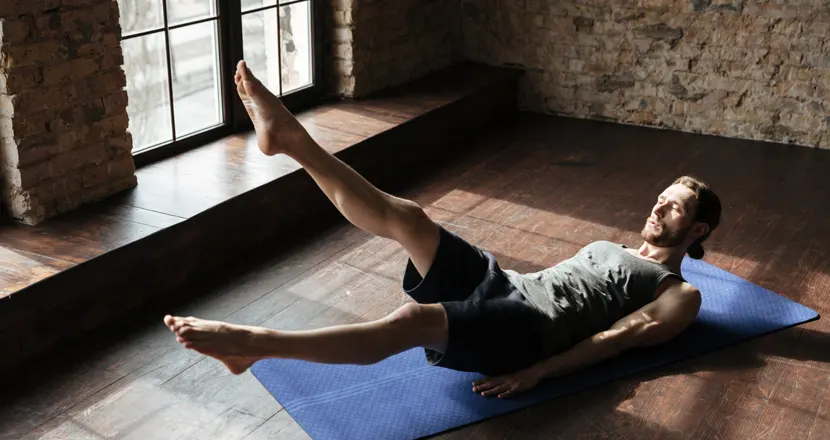
Prostate health is influenced by more than just diet and medication—it is deeply connected to circulation, stress levels, and hormonal balance. In recent years, many men have started exploring yoga prostate routines as a natural way to support overall wellness and manage common prostate-related symptoms.
Yoga offers a unique combination of physical movement, breathing techniques, and relaxation. Unlike high-intensity workouts, it works gently on the body while targeting deeper systems such as circulation and nervous balance. Over time, this holistic approach can help improve urinary function, reduce discomfort, and promote long-term prostate health.
Key Highlights
- Yoga improves blood circulation to the prostate
- Helps reduce stress and balance hormones
- Supports pelvic muscle strength and relaxation
- Gentle and suitable for all age groups
- Improves urinary control and comfort
- Works best when practiced consistently
- Enhances overall physical and mental well-being
- Complements other lifestyle changes
How Yoga Supports Prostate Function
Improved Blood Flow to the Pelvic Region
One of the primary benefits of yoga is enhanced circulation. Specific poses stimulate blood flow to the pelvic area, ensuring that the prostate receives essential oxygen and nutrients. Better circulation can help reduce inflammation and support tissue health, making yoga prostate practices highly beneficial.
Stress Reduction and Hormonal Balance
Stress is a major contributor to prostate issues. Yoga incorporates breathing and mindfulness techniques that help calm the nervous system. Lower stress levels lead to improved hormonal balance, which plays a key role in prostate health.
Muscle Relaxation and Pelvic Support
Yoga also helps relax and strengthen muscles around the pelvic region. This can improve bladder control and reduce symptoms such as frequent urination or discomfort.
Best Yoga Poses for Prostate Health
Certain yoga poses are particularly beneficial for improving circulation and relieving pressure in the pelvic area. Practicing these regularly can support overall prostate function and enhance the benefits of a yoga prostate routine.
Effective Yoga Poses to Include
- Bridge Pose (Setu Bandhasana) for improved pelvic circulation
- Cobra Pose (Bhujangasana) to stimulate abdominal organs
- Child’s Pose (Balasana) for relaxation and stress relief
- Butterfly Pose (Baddha Konasana) to open the pelvic region
- Legs-Up-the-Wall (Viparita Karani) for improved blood flow
The Role of Breathing in Prostate Health
Breathing techniques, or pranayama, are a core part of yoga. Controlled breathing helps increase oxygen supply, reduce stress hormones, and improve overall body function.
Deep breathing also supports relaxation of pelvic muscles, which can help reduce tension and improve urinary control. This makes breathing exercises an essential part of any yoga prostate practice.
Building a Consistent Yoga Routine
Consistency is more important than intensity when it comes to yoga. A simple daily routine can provide significant benefits over time.
Starting with 15–20 minutes a day is enough for beginners. Gradually increasing duration and incorporating different poses can enhance results. The key is to practice regularly and focus on proper technique for effective yoga prostate support.
Tips for a Sustainable Routine
- Practice yoga at the same time each day
- Focus on slow, controlled movements
- Combine poses with deep breathing
- Avoid overexertion or strain
- Stay consistent for long-term benefits
Yoga vs. Other Exercises for Prostate Health
While general exercise improves overall health, yoga offers unique benefits. It not only strengthens the body but also calms the mind and reduces stress—two critical factors in prostate health.
Unlike high-impact workouts, yoga is gentle and suitable for men of all ages. It can be especially beneficial for those who may not be able to engage in intense physical activity, making yoga prostate routines highly accessible.
Combining Yoga with Lifestyle Changes
Yoga works best when combined with other healthy habits such as a balanced diet, proper hydration, and regular physical activity. Together, these factors create a comprehensive approach to prostate health.
Lifestyle improvements enhance the effectiveness of yoga by supporting the body’s natural healing processes. This integrated approach leads to more sustainable results when following a consistent yoga prostate routine.
Supportive Lifestyle Habits
- Maintain a nutrient-rich diet
- Stay physically active beyond yoga
- Get adequate sleep
- Manage stress effectively
- Avoid prolonged sitting
How Long Does Yoga Take to Show Results?
The effects of yoga are gradual but lasting. Some individuals may notice reduced stress and improved comfort within a few weeks, while more significant changes may take a few months.
Regular practice is essential. The more consistent the routine, the better the long-term outcomes for prostate health.
Precautions and Safety Tips
Safety Guidelines
- Start with beginner-friendly poses
- Avoid overstretching or forcing movements
- Consult a professional if you have health conditions
- Stop immediately if you feel pain or discomfort
Conclusion:
Yoga provides a natural and holistic way to support prostate health. By improving circulation, reducing stress, and enhancing muscle function, it addresses several underlying causes of prostate issues.
Incorporating yoga into your daily routine doesn’t require drastic changes, small, consistent efforts can lead to meaningful improvements. Over time, this practice can help build a stronger, healthier foundation for long-term prostate wellness through a balanced yoga prostate approach.






 This article changed my life!
 This article was informative.
 I have a medical question.
 This article contains incorrect information.
 This article doesn’t have the information I’m looking for.