Table Of Contents
Introduction
Blood circulation plays a central role in male health, especially when it comes to stamina, physical performance, and erectile function. Many men experiencing reduced vitality or erectile concerns often overlook one of the most effective natural solutions — targeted physical exercise. Healthy circulation ensures that oxygen-rich blood reaches muscles and vital organs efficiently, including areas responsible for sexual performance.
When blood flow becomes restricted due to sedentary habits, stress, weight gain, or poor cardiovascular health, the body may struggle to maintain optimal function. This is why fitness experts frequently recommend the best exercises for blood flow as a foundational lifestyle strategy for supporting male enhancement naturally.
Rather than acting as a temporary fix, exercise improves vascular health over time, helping the body function more efficiently and promoting long-term wellness.
Key Highlights
- Exercise improves circulation and male performance.
- Cardio workouts strengthen heart health.
- Squats and push-ups boost blood flow.
- Kegel exercises support pelvic circulation.
- Active lifestyle reduces poor blood flow risks.
- Better circulation increases stamina and energy.
Why Blood Flow Matters for Male Enhancement and ED Support
Erectile performance largely depends on proper blood circulation. During arousal, blood vessels expand and allow increased blood flow. If circulation is weak or arteries become stiff, this process may not occur effectively.
Improving circulation through movement strengthens the cardiovascular system and supports natural physiological responses.
Better blood flow contributes to:
- Improved stamina and endurance
- Enhanced oxygen delivery to tissues
- Stronger vascular flexibility
- Better hormonal balance
- Increased physical confidence
Regular exercise addresses one of the most common underlying causes linked to erectile difficulties — poor cardiovascular health.
How Exercise Improves Circulation and Erectile Health
Physical activity stimulates the heart to pump more efficiently while encouraging blood vessels to expand. Over time, exercise improves endothelial function — the inner lining of blood vessels responsible for regulating circulation.
When muscles contract during workouts, they help push blood through veins, reducing stagnation and improving overall vascular performance.
Men who maintain consistent exercise routines often experience:
- Better energy levels
- Reduced stress hormones
- Improved metabolic health
- Enhanced circulation response
These changes collectively support natural male performance without relying solely on supplements or medications.
Best Exercises for Blood Flow That Support Male Vitality
1. Brisk Walking for Cardiovascular Activation
Walking may seem simple, but it significantly improves circulation. It increases heart rate gradually while improving blood movement through the lower body — a key factor in vascular health.
Why walking helps:
- Boosts heart efficiency
- Reduces sedentary stiffness
- Improves endurance safely
A daily 30-minute walk can noticeably improve circulation consistency.
2. Squats to Enhance Pelvic Blood Circulation
Squats activate the glutes, thighs, and pelvic region — areas closely linked with circulation supporting male performance.
Regular squatting helps strengthen muscles that assist blood movement toward the pelvic area.
Execution tips:
- Keep feet shoulder-width apart
- Lower slowly with control
- Focus on steady breathing
3. Kegel Exercises for Pelvic Floor Strength
Kegel exercises strengthen pelvic floor muscles that help regulate blood flow and muscular control.
Benefits include:
- Improved pelvic muscle endurance
- Better circulation support
- Enhanced muscular coordination
These exercises are subtle and can be performed anywhere.
4. Cycling for Improved Vascular Health
Cycling increases cardiovascular activity while promoting steady blood circulation in the legs and hips. Consistent cycling supports heart health — a major factor connected to erectile wellness.
Moderate cycling sessions several times per week can improve stamina and circulation efficiency.
5. Push-Ups for Upper Body Circulation
Push-ups increase blood movement through the chest, shoulders, and arms while raising heart rate. This supports overall circulation and muscular endurance.
They also help improve testosterone-supportive fitness levels when included regularly.
Lifestyle Causes of Poor Blood Flow in Men
- Long hours of sitting
- Lack of physical activity
- Excess body weight
- Chronic stress
- Poor sleep quality
Addressing these factors alongside exercise produces better long-term results.
Creating a Blood Flow Exercise Routine for ED Support
Consistency matters more than intensity. Men do not need extreme workouts to experience circulatory improvements. A balanced routine combining cardio and strength training works best.
A simple weekly approach:
- Cardio workouts: 4–5 days weekly
- Strength training: 2–3 sessions
- Pelvic exercises: daily short practice
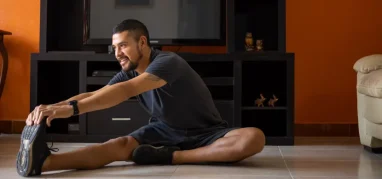
- Stretching: after workouts
Gradual improvement helps the body adapt while reducing injury risk.
Additional Habits That Improve Exercise Results
- Staying hydrated
- Eating heart-friendly foods
- Managing stress levels
- Avoiding smoking
- Maintaining healthy weight
These practices help blood vessels remain flexible and responsive.
Signs Exercise Is Improving Your Blood Flow
- Increased energy levels
- Better workout recovery
- Improved stamina
- Enhanced physical responsiveness
- Reduced fatigue
These signs indicate healthier circulation and improved vascular function.
Conclusion
Targeted exercise remains one of the safest and most effective natural approaches for improving circulation and supporting male enhancement goals. By strengthening the heart, improving vascular flexibility, and promoting efficient blood movement, regular physical activity addresses a key root factor behind many performance concerns.
Incorporating the right exercises consistently can help men support better blood flow, improve confidence, and enhance overall wellness naturally over time.





 This article changed my life!
 This article was informative.
 I have a medical question.
 This article contains incorrect information.
 This article doesn’t have the information I’m looking for.